Texas Crutch
Learn when the Texas Crutch helps you push through the stall, how foil and butcher paper change bark and moisture, and when to leave meat unwrapped
What is the Texas Crutch?
The “Texas Crutch” is a barbecue technique involving wrapping slow-smoked meat, typically brisket or pork butt, in foil or butcher paper during the cooking process. This method aims to accelerate cooking, tenderize the meat, and retain moisture. It is most commonly employed when the meat reaches a temperature plateau known as “the stall.”
Key Takeaways
- The Texas Crutch primarily addresses “the stall,” a period during slow cooking where the meat’s internal temperature plateaus due to evaporative cooling, by sealing in moisture and heat, allowing the temperature to rise more quickly and consistently.
- While effective for speeding up cooking and maintaining moisture, wrapping can impact the development of the coveted “bark” (the crispy, flavorful crust on the meat’s exterior) and may slightly reduce smoke penetration during the wrapped phase.
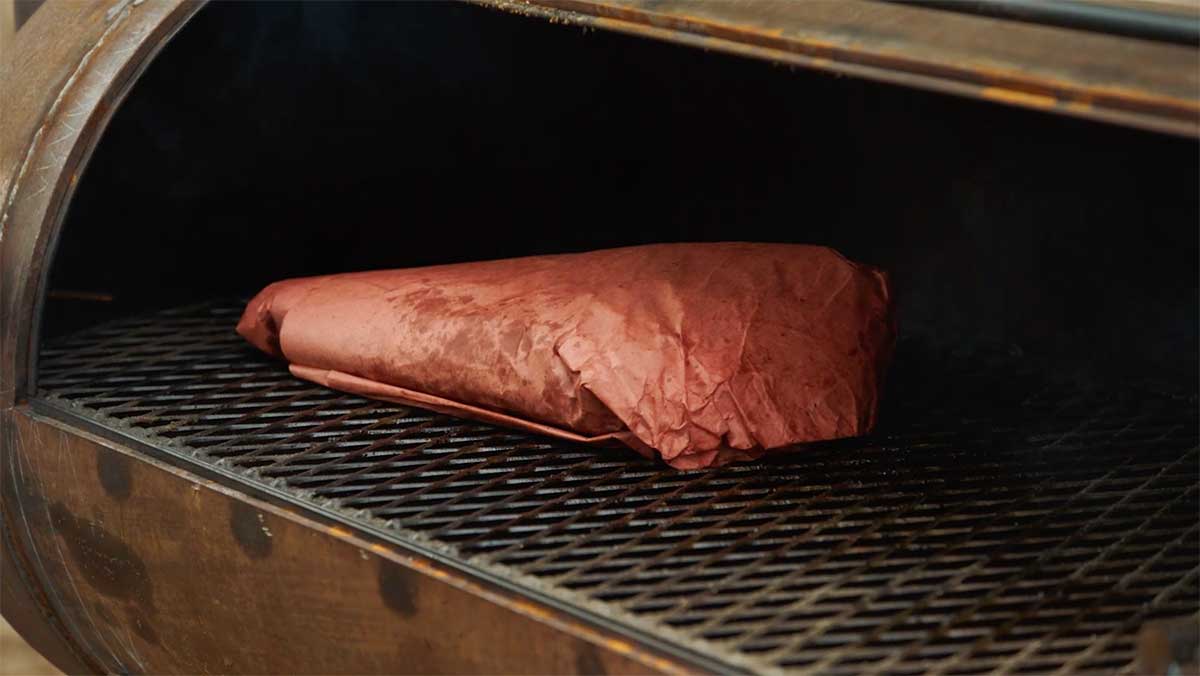
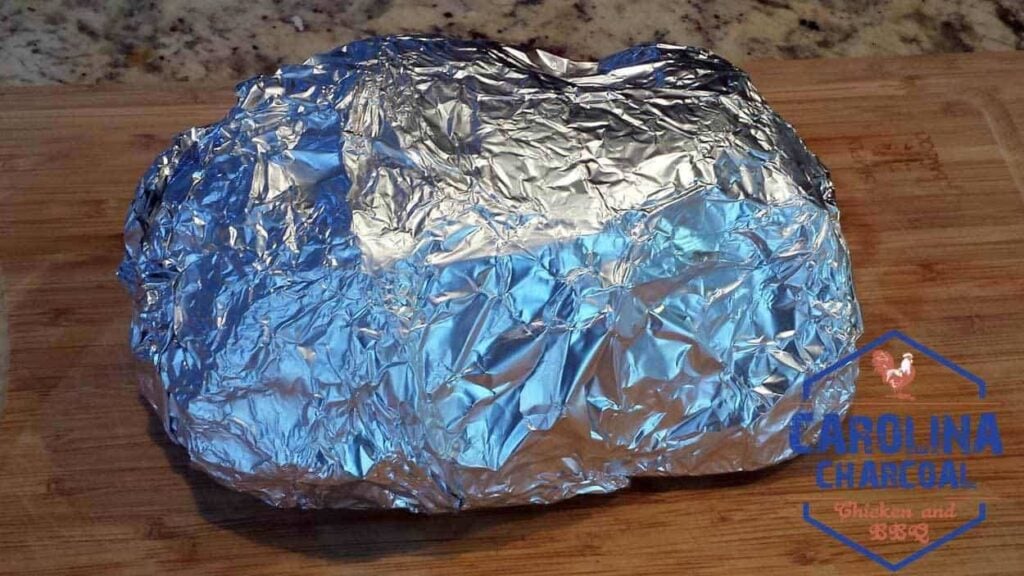
- Pitmasters often choose between aluminum foil, which creates a steamy environment for maximum moisture retention and faster cooking, and butcher paper, which is more breathable, allowing some moisture to escape while still pushing through the stall and preserving more bark texture.
“The Crutch doesn’t mean you’re cheating, it means you’re smart. You’re trying to achieve a specific result.”
— Meathead Goldwyn, AmazingRibs.com
Understanding the Texas Crutch
The “Texas Crutch” is a widely adopted barbecue technique involving the strategic wrapping of partially smoked meat, most commonly large cuts such as beef brisket or pork shoulder, in a sealed or semi-sealed material. This material is typically aluminum foil or food-grade butcher paper. The fundamental purpose of this method is to accelerate the cooking process, effectively manage the challenging “stall” phase, enhance moisture retention within the meat, and ultimately promote exceptional tenderness.
This technique transforms a traditional dry-cooking smoking process into a more humid, braise-like environment within the confines of the wrap. This alteration allows the meat to cook more efficiently and consistently, making it a pivotal innovation in the realm of low-and-slow barbecue. It fundamentally shifts the cooking dynamic, turning a dry heat method into a wet one, akin to braising, which is particularly effective for tenderizing tough cuts like pork shoulder.
The evolution of the Texas Crutch highlights a dynamic and evolving definition of “authentic” barbecue. Initially, some purists viewed the Texas Crutch as a “cheat” because it deviated from the traditional “straight-up meat+smoke=barbecue equation”. This perspective stemmed from a rigid adherence to historical methods, where the introduction of a wet-cooking element was seen as an impurity.
However, the demonstrable benefits of the Texas Crutch—its ability to accelerate cooking, retain moisture, and promote tenderness —proved too significant to ignore. Its widespread adoption, particularly after being embraced and popularized by influential figures such as Aaron Franklin of Franklin Barbecue, illustrates how practical innovation can redefine what is considered acceptable within a tradition. The initial label of a “cheat” has largely given way to a pragmatic acceptance of a method that yields superior and more consistent results.
Furthermore, the Texas Crutch serves as a key innovation that bridges the gap between traditional barbecue practices and the demands of modern efficiency. Low-and-slow smoking is inherently time-consuming and variable, often requiring extensive, patient tending over many hours. The “stall,” an unpredictable phase where meat temperature plateaus, can further extend cook times for hours.
The Texas Crutch directly addresses these challenges by enabling cooks to “hasten past the plateau, giving the cooks more control over the cooking clock” , thereby speeding up the overall process. This method also helps to retain crucial moisture, preventing the meat from drying out during prolonged exposure to heat. For commercial operations and competitive barbecue, where predictability, consistency, and efficiency are paramount, the crutch provides a reliable means to achieve a high-quality product within a more manageable timeframe.
This demonstrates a pragmatic adaptation of traditional methods, intelligently modifying them to meet contemporary demands for consistency, quality, and operational efficiency. It makes complex barbecue more accessible and reliable for a wider audience.
The Science of the BBQ Stall
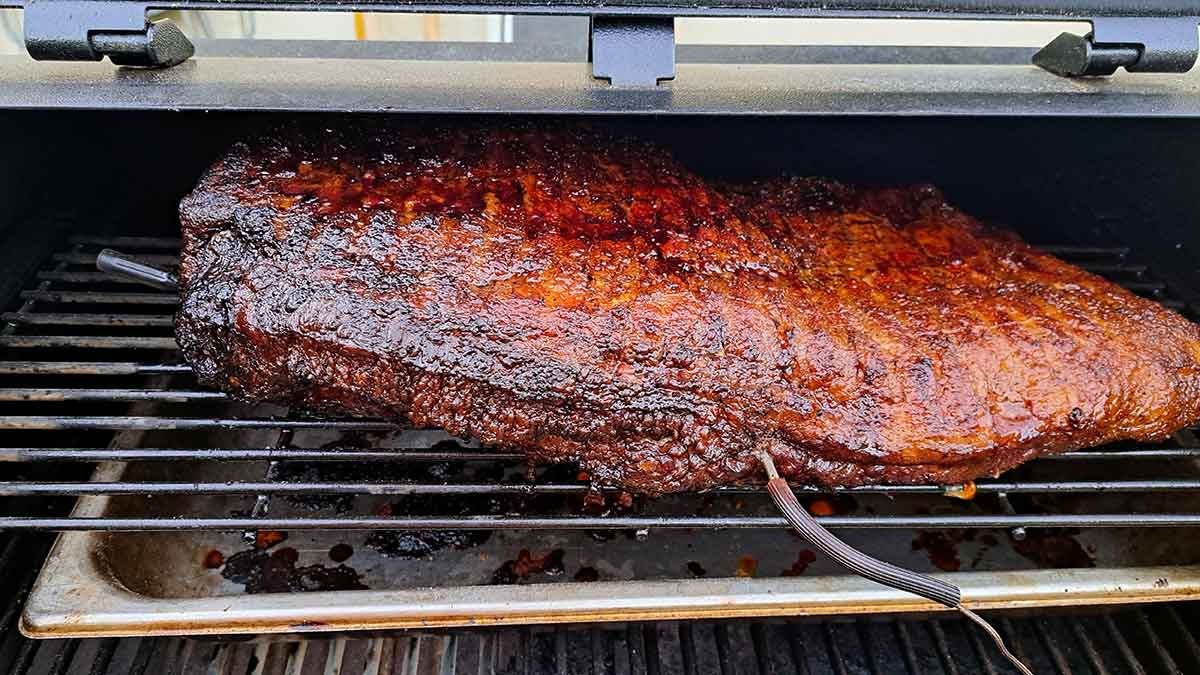
The “stall,” also referred to as the “plateau” or “zone,” is a well-documented phenomenon in low-and-slow barbecue. It occurs when the internal temperature of large cuts of meat, such as brisket or pork butt, ceases to rise or may even slightly decrease for an extended period, typically ranging from 145°F to 175°F (63°C to 79°C). This phase can last anywhere from one to seven hours, creating a significant challenge for pitmasters aiming for precise timing.
For a fuller look at how pit temperature and wrapping change the schedule, see our pork butt timing guide.
The Scientific Mechanism: Evaporative Cooling
The primary scientific explanation for the stall is evaporative cooling. As the meat cooks, moisture (water) is released from its internal pores and cells and evaporates from the surface. This process is analogous to how human sweat cools the body. The change of state from liquid water to gaseous steam is an endothermic process, meaning it consumes heat energy from the meat itself, effectively cooling it and preventing its internal temperature from rising.
The stall occurs when the rate of heat input from the smoker is balanced by the rate of heat loss due to this surface evaporation. The temperature will then remain constant until the surface moisture has largely evaporated, after which the internal temperature will begin to climb again.

Food scientist Dr. Greg Blonder’s conclusive research definitively demonstrated evaporative cooling as the cause of the stall. His experiments showed that a water-soaked cellulose sponge mirrored a brisket’s cooking pattern almost perfectly, exhibiting a stall at around 140°F (60°C) where its temperature even dropped slightly for several hours. In contrast, a chunk of pure beef fat, lacking significant moisture, showed no stall, with its temperature rising in a smooth curve. This evidence effectively disproved alternative theories, such as fat rendering or collagen conversion, as the primary drivers of the stall itself.
Dr. Blonder summarized his findings stating: “The barbecue stall is a simple consequence of evaporative cooling by the meat’s own moisture slowly released over hours from within it’s pores and cells. As the temperature of cold meat rises, the evaporation rate increases until the cooling effect balances the heat input. Then it stalls, until the last drop of available moisture is gone.”
This definitive scientific explanation of the stall by Dr. Greg Blonder represents a significant shift from anecdotal “pitmaster wisdom” to an evidence-based understanding in barbecue. Historically, the stall, being a counter-intuitive phenomenon, often led to varied, speculative explanations among practitioners. Dr. Blonder’s rigorous scientific methodology provided a verifiable explanation, moving barbecue from a purely intuitive art to one informed by scientific principles.
This clarity allows for targeted and effective interventions, like the Texas Crutch, based on fundamental understanding rather than less precise methods. This trend signifies a broader maturation in culinary fields, where scientific inquiry complements traditional craftsmanship, leading to more predictable results, greater control, and the ability to innovate based on fundamental understanding.
Factors Influencing the Stall
Several environmental and meat-specific factors can influence the characteristics and duration of the stall:
- Airflow: Increased airflow within the smoker enhances evaporation, which can cause the stall to occur sooner (around 150°F / 65°C) and potentially shorten its duration. This effect is particularly noticeable in smokers with multiple vents or a high degree of convection.
- Humidity: Higher ambient humidity, or moisture introduced into the cooker via water pans, basting, or mopping, can prolong the stall by reducing the rate of surface evaporation. While this may lengthen cook time, maintaining sufficient humidity is crucial for optimal smoke flavor transference and the proper rendering of collagen and fat within the meat.
- Meat Size and Surface Area: Larger cuts of meat possess a greater surface area from which moisture can evaporate, contributing to a more pronounced or longer stall.
The nuanced role of moisture in low-and-slow smoking is critical, yet paradoxical. While surface evaporation causes the stall and slows cooking, internal moisture retention is vital for the meat’s ultimate tenderness and juiciness. External humidity, often managed through water pans, aids smoke adherence and proper collagen rendering, contributing to flavor and texture.
The Texas Crutch directly manipulates this complex interplay by trapping moisture, thus stopping detrimental surface evaporation to overcome the stall. Simultaneously, it creates a highly humid, braising environment within the wrap, which promotes internal tenderization and retains juiciness. This highlights that effective barbecue is not about simply removing moisture, but about managing its presence and phase changes strategically throughout the cook.
The stall also demonstrates that simply monitoring internal temperature is often insufficient for understanding meat doneness. The temperature can plateau for hours, meaning that reaching a certain temperature does not guarantee the meat is “done” or that it will progress quickly from that point. For tough cuts like brisket, true “doneness” is more about the conversion of tough collagen into tender gelatin, a process that requires sustained heat exposure over time, not merely hitting a peak temperature.
This emphasizes the importance of understanding the underlying physical processes rather than relying solely on a target temperature. This encourages pitmasters to move beyond rigid temperature targets and develop a deeper understanding of the physical and chemical transformations occurring within the meat. It emphasizes sensory cues and the overall cooking environment in determining readiness.
How Wrapping Intervenes
Wrapping the meat in an impermeable or semi-permeable material, such as aluminum foil or butcher paper, traps the moisture released from the meat, creating a highly humid environment around its surface. This significantly reduces or eliminates evaporative cooling, allowing the meat’s internal temperature to continue rising steadily, effectively “pushing through” the stall. By preventing the escape of steam, the cooling effect is reduced, and the meat begins to heat up faster.
The following table summarizes the key aspects of the BBQ stall and how the Texas Crutch addresses them:
| Characteristic | Description | Impact on Stall | Texas Crutch Intervention |
| Typical Stall Temp Range | 145°F – 175°F (63°C – 79°C) | Temperature plateaus for extended periods (1-7 hours) | Helps meat push past this plateau by eliminating evaporative cooling |
| Primary Scientific Cause | Evaporative Cooling: Moisture released from meat’s surface evaporates, cooling the meat | Heat input is balanced by cooling effect, stopping temperature rise | Traps moisture, preventing evaporation and allowing temperature to climb |
| Impact of Airflow | More airflow increases evaporation | Stall occurs sooner (around 150°F) and may shorten duration | Creates a contained environment, reducing external airflow’s impact on surface evaporation |
| Impact of Humidity | Higher humidity reduces evaporation | Prolongs stall and overall cook time | Creates a near 100% humidity environment within the wrap, effectively eliminating surface evaporation |
| Impact of Meat Size | Larger cuts have more surface area and water | Can lead to a more pronounced or longer stall | Uniformly traps moisture around the entire surface, regardless of size, to overcome cooling |
Historical Context and Evolution of the Technique
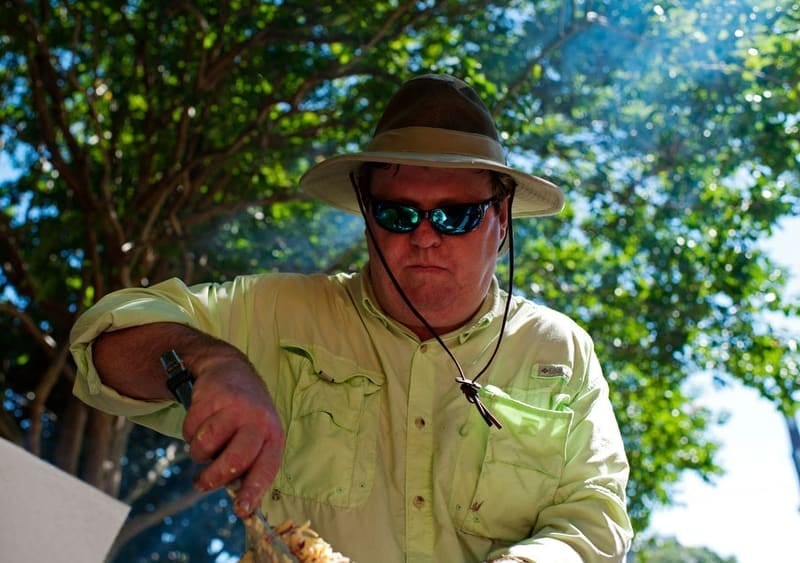
The “wrap and rest” technique, which eventually evolved into what is known today as the Texas Crutch, has its origins deeply rooted in the competitive barbecue circuit. Pitmasters developed this method as a strategic tool to gain greater control over the cooking clock and ensure consistent doneness and moisture, factors that are critically important for competition judging. The high-stakes environment of competitions, where “every little incremental improvement is needed” to chase “big prize money,” naturally fostered such innovations.
This highlights how high-stakes environments can accelerate culinary innovation, prioritizing control, consistency, and efficiency over strict adherence to traditional methods. In competitive barbecue, winning demands consistent, predictable results—specifically, tender, juicy meat delivered on time. The inherent unpredictability of the “stall” and the lengthy cook times posed a significant hurdle, which the crutch helped to overcome by allowing cooks to “hasten past the plateau, giving the cooks more control over the cooking clock”.
Techniques proven effective in these high-pressure arenas often disseminate to the broader barbecue community, becoming standard practice due to their demonstrated efficacy. This illustrates how competitive environments, by demanding peak performance and consistency, can become powerful incubators for culinary innovation that fundamentally reshape traditional practices.
Early Perceptions and the “Purist” Debate
Despite its practical advantages, the Texas Crutch was initially met with skepticism and even resistance from some traditionalists. It was often viewed as a “cheat” because it introduced a braising element, deviating from the “straight-up meat+smoke=barbecue equation” that purists championed.
This reflected a tension between traditional, unadulterated smoking methods and innovative techniques aimed at achieving greater efficiency and consistency. The debate underscored a philosophical divide in the barbecue community, where some valued strict adherence to historical methods, while others prioritized the final product’s quality and the efficiency of its production.
Popularization by Influential Figures
The widespread adoption and acceptance of the Texas Crutch owe much to influential figures in the barbecue world:
- Aaron Franklin’s Influence: Aaron Franklin of Franklin Barbecue in Austin, TX, while not inventing the concept of wrapping, is widely credited with popularizing the use of butcher paper as a wrapping material, offering a distinct alternative to aluminum foil. His success and advocacy for this method significantly contributed to the technique’s mainstream acceptance. Franklin’s approach, which often involves only a light spray of apple cider vinegar rather than substantial added liquids when using butcher paper, showcases a refined application of the crutch, aiming to maintain some bark integrity while still benefiting from the wrap. His influence helped to solidify the Texas Crutch as a legitimate and effective method, moving it beyond the “cheat” label.
- Meathead Goldwyn’s Advocacy: Meathead Goldwyn, the founder of AmazingRibs.com and a BBQ Hall of Famer, has been a prominent advocate for the Texas Crutch. He asserts that “practically all the top competitive barbecue teams use this technique” for various meats, including ribs, pork shoulder, and beef brisket. Goldwyn’s platform has been instrumental in disseminating the scientific and practical benefits of the crutch to a broad audience, further solidifying its place in modern barbecue practices.
The term “Texas Crutch” itself, and its strong association with Texas barbecue, reflects the state’s outsized influence on barbecue culture and its ability to brand and popularize culinary techniques globally. While the concept of wrapping meat for cooking has ancient roots, the specific technique of the “Texas Crutch” gained a regional identifier, cementing its association with Texas barbecue. The popularization by Texas-based pitmasters like Aaron Franklin further reinforced this connection, making the technique synonymous with a particular style of barbecue.
This demonstrates the significant cultural capital a region can accrue through its culinary traditions. The “Texas Crutch” is not merely a technique; it is a piece of cultural branding that reinforces Texas’s global reputation as a barbecue mecca, showcasing how culinary innovation can also serve as a powerful form of cultural and economic soft power.
Evolution of Materials and Methods
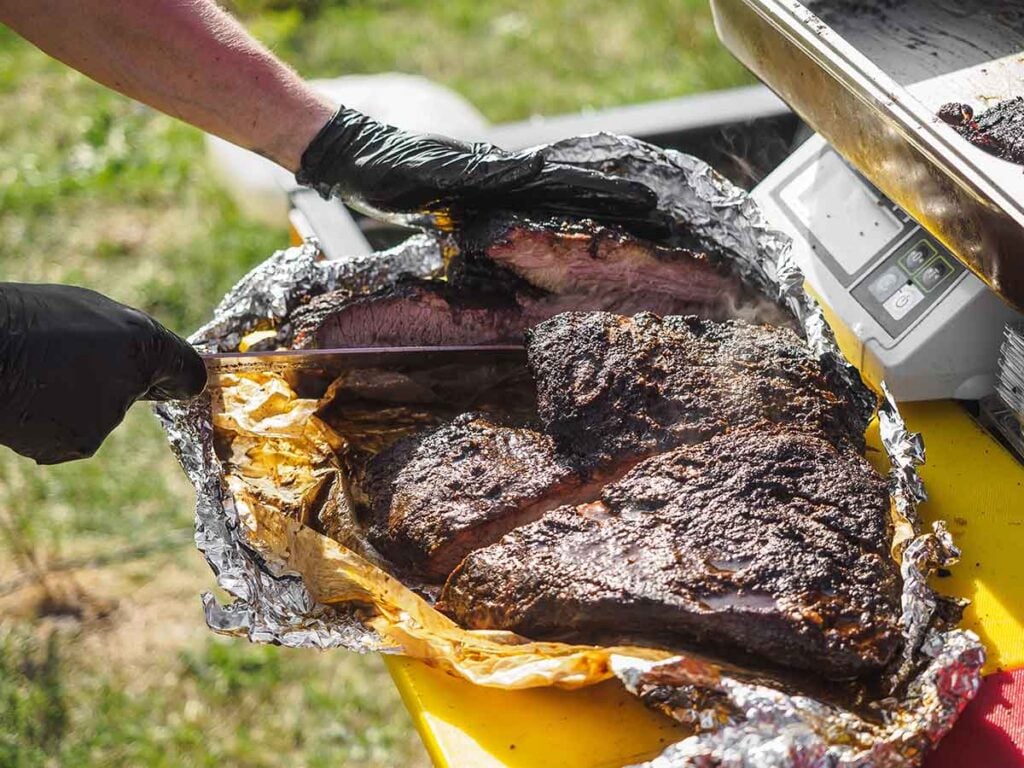
The Texas Crutch has evolved from simple foil wrapping to a more nuanced approach. This evolution includes the use of different wrapping materials, precise timing based on bark development or internal temperature, and varied post-wrap finishing steps. Wrapping naturally traps moisture, which can soften bark and slow the Maillard reaction on the surface.
The ongoing discussion and comparison between aluminum foil and butcher paper as wrapping materials exemplify this evolution, with each offering distinct advantages and disadvantages that pitmasters consider based on their desired outcome.
Practical Application: Implementing the Texas Crutch
Effective implementation of the Texas Crutch requires an understanding of when to wrap, which materials to use, how to apply them, and what steps follow the wrapped phase to achieve optimal results.
When to Wrap
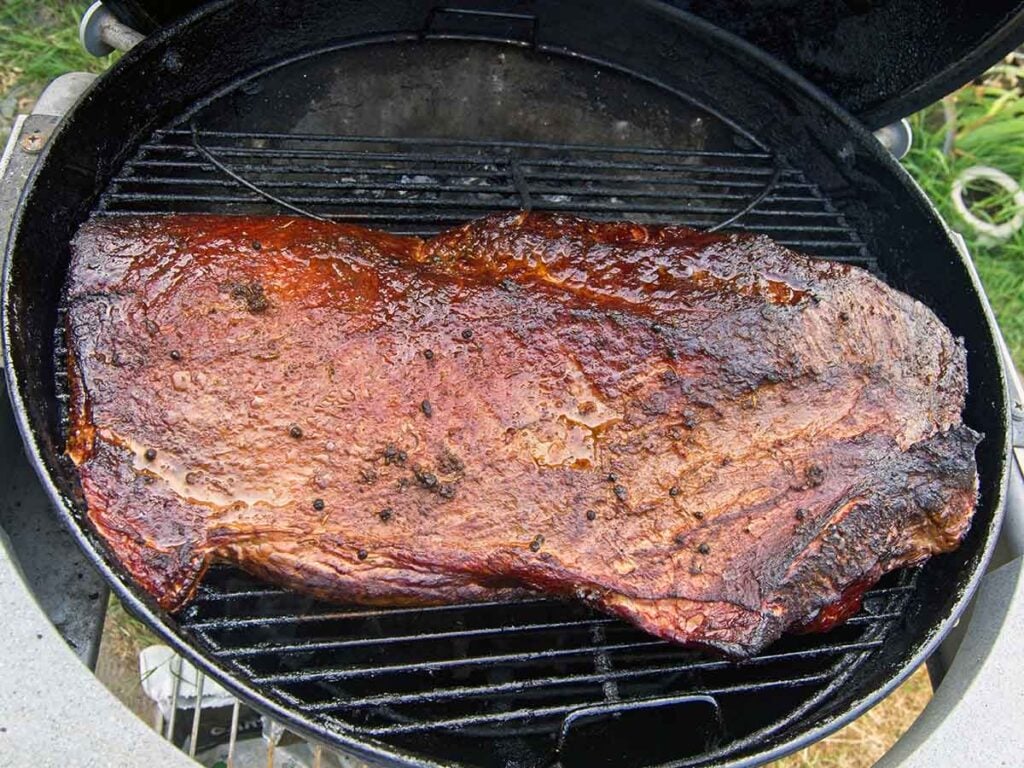
The decision to wrap meat using the Texas Crutch is typically based on a combination of internal temperature and visual cues:
- Internal Temperature Cues: The most common recommendation is to wrap when the meat reaches an internal temperature between 150°F and 165°F (65°C and 74°C). This range generally indicates the onset or active phase of the “stall,” where evaporative cooling is most pronounced. For example, it is advised to “smoke until the brisket reaches an internal temperature of around 165 °F (74 °C). This is where meat starts to stall”.
- Visual Cues (Bark Development): Many experienced pitmasters also emphasize wrapping when the bark—the flavorful, crusty exterior—has developed to the desired color and texture. This means the bark should appear deep mahogany and no longer be sticky, indicating it is well-saturated with rendered fat and juices. This ensures sufficient smoke penetration and bark formation before the meat is enclosed, as wrapping will largely halt further bark development and smoke absorption. The advice to “Wrap when you notice the temp stalling AND the bark looks good – deep mahogany and well saturated with fat & juices. Don’t wrap yet if the bark still looks like rub” highlights a crucial balance. The dual criteria of internal temperature and bark development illustrate a balance between scientific precision and sensory evaluation in barbecue. While temperature provides an objective benchmark for the stall, visual cues ensure the desired aesthetic and flavor profile of the bark are achieved before wrapping.
Wrapping Materials: Aluminum Foil vs. Butcher Paper
The choice of wrapping material significantly impacts the final product, presenting a fundamental trade-off in barbecue between maximizing bark texture and smoke flavor versus accelerating cooking time and ensuring moisture and tenderness.
| Feature | Aluminum Foil | Butcher Paper (Peach Paper) | No Wrap (Naked Smoking) |
| Key Properties | Impermeable, creates tight seal, traps all moisture/steam | Porous, allows slight “breathing,” absorbs some fat/water | Fully exposed to smoke and air currents |
| Advantages | Maximizes moisture retention, best for liquid wrapping, significantly speeds cooking by eliminating evaporation | Allows some smoke penetration, helps retain crispier bark than foil, absorbs excess fat for better bark texture, allows juice re-absorption during rest | Best bark formation, maximum smoke flavor, most intense flavors |
| Disadvantages | Softens/steams bark, stops smoke penetration, can lead to “pot roast” texture if overcooked or wrapped loosely | May leak if liquids are added, less effective at speeding cooking than foil, requires specific food-grade paper | Longest cooking time, highest risk of drying out |
| Best Use Cases/Considerations | Prioritizing speed and maximum juiciness, especially with added liquids | Balancing bark integrity with speed and moisture retention; Aaron Franklin’s preferred method | Prioritizing maximum bark and smoke flavor, willing to accept longer cook times and potential dryness |
This comparative analysis reveals that there is no single “perfect” method; instead, pitmasters must make strategic choices based on their priorities for a given cook. Achieving one desirable outcome, such as speed, often comes at the expense of another, such as bark texture, requiring a nuanced understanding of these trade-offs.
Adding Liquids
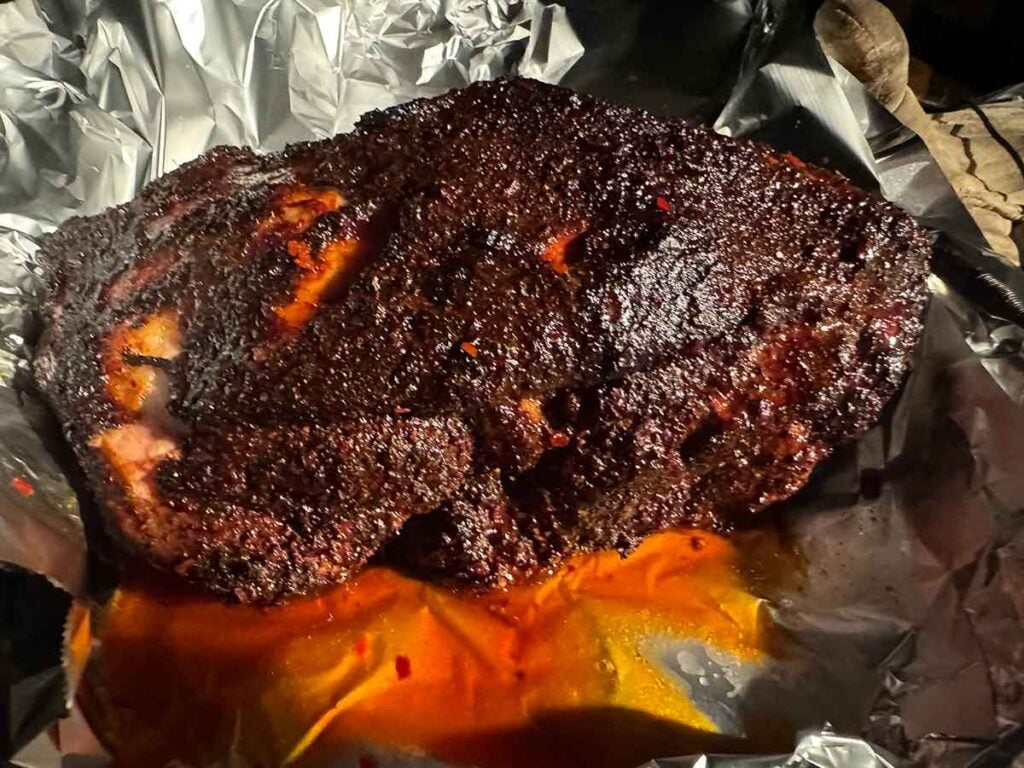
A common practice, particularly when using aluminum foil, is to add a small amount of liquid (e.g., 1/2 cup) to the wrap. This facilitates a braising effect, further promoting tenderness and moisture within the meat. Common liquid choices include apple juice, beef broth, water, wine, beer, or even liquefied margarine or butter.
It is generally advised to add liquids to the foil or paper, rather than directly over the meat, to avoid washing off the seasoning rub. It is notable that Aaron Franklin’s butcher paper method typically involves only a light spray of apple cider vinegar, not substantial added liquids, reflecting a preference for maintaining some bark integrity when using paper.
Wrapping Technique
The effectiveness of the Texas Crutch hinges on a proper wrapping technique. The wrap should be as tight and leak-proof as possible to maximize the steaming effect and prevent moisture escape. Loose wrapping can re-introduce evaporative cooling and lead to a less tender or even mushy texture. Double-layering foil is often recommended to ensure a secure seal.

A common method involves laying out two pieces of wrapping material, placing the meat lengthwise, folding the edges over, and then folding the flaps to create a secure, burrito-like package. If using a temperature probe, it should be inserted from the top to minimize the risk of creating leaks where liquid could escape.
Post-Wrap Cooking and Finishing
The Texas Crutch is not merely a mid-cook technique but part of a holistic process that extends beyond the smoker to optimize the final product’s texture and juiciness.
- Continued Smoking: After wrapping, the meat is returned to the smoker, typically at the same low-and-slow temperature (e.g., 225°F / 107°C), until it reaches the desired internal temperature, often between 200°F and 205°F (93°C and 96°C). Crucially, the meat should also be “probe tender,” meaning a thermometer or probe slides into the meat with little to no resistance, indicating that collagen has fully broken down.
- Re-crisping the Bark: One of the primary drawbacks of wrapping is the potential for a softened bark. To address this, after unwrapping, the meat’s temperature will drop rapidly. It can be placed back on the smoker, unwrapped, for 10-30 minutes at around 225°F (107°C) or slightly higher to re-crisp the exterior.
- Resting: A crucial final step, often considered as important as the cooking itself. After reaching its target temperature and tenderness, the meat should be rested, typically wrapped again in foil and then a towel in an insulated cooler (a “faux cambro”), for 1 to 4 hours. This allows the internal muscle fibers to relax, juices to redistribute evenly throughout the meat, and further tenderizes the meat through carryover cooking and continued collagen breakdown.
The emphasis on wrapping based on bark appearance and internal temperature, and the need to adjust post-wrap cooking, highlights that barbecue is a dynamic process requiring constant observation and adaptation, rather than a rigid, time-based recipe. Standard recipes often provide fixed times and temperatures, but barbecue is profoundly influenced by numerous variables such as smoker type, ambient humidity, airflow, and the specific characteristics of the meat. The advice to “wrap when the bark tells you it’s time to wrap” and to “cook to tenderness, not time” directly acknowledges these variables, meaning the pitmaster must constantly assess the meat’s state, not just follow a clock.
The Texas Crutch itself is an intervention that changes the cooking environment, and the need for post-wrap adjustments further demonstrates that the process is not set-and-forget. This reinforces that successful barbecue is an adaptive art form, even when informed by science, requiring keen observation, experience, and flexibility to adjust techniques in real-time.
Applicable Meats
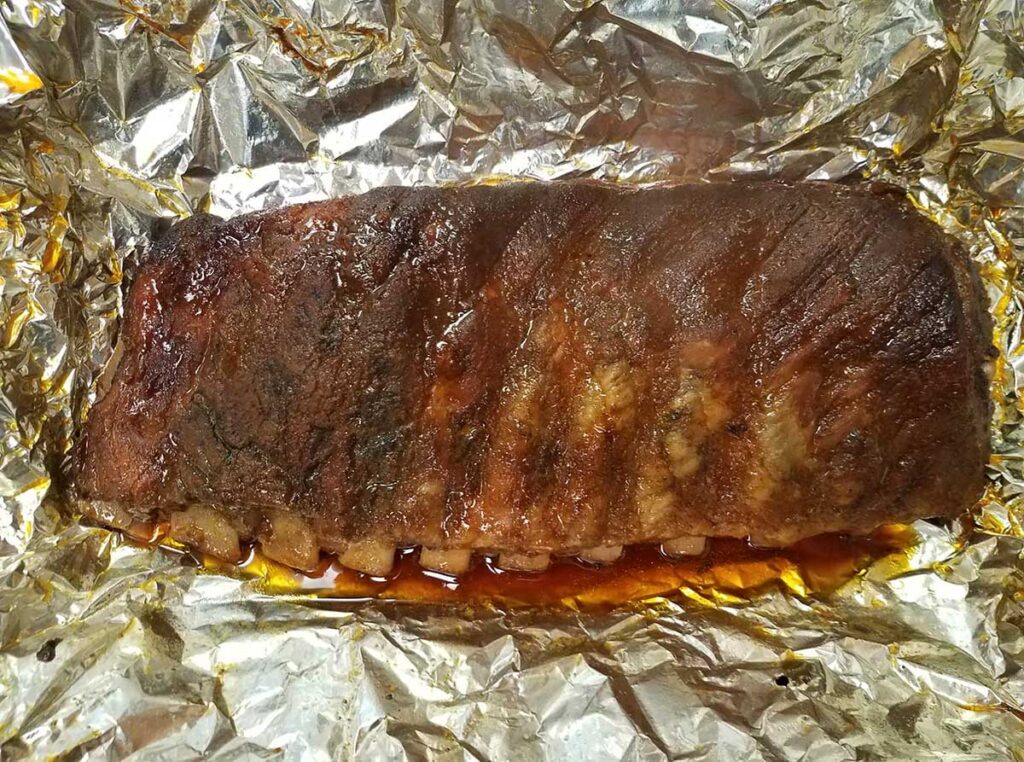
While most commonly associated with brisket, the Texas Crutch is also effectively utilized for other large, tough cuts of meat that require long cook times to break down connective tissues. These include pork shoulder (butt) and pork ribs (often using the 3-2-1 method), demonstrating the versatility of the technique across various barbecue staples.
Advantages and Disadvantages: A Balanced Perspective
The Texas Crutch, while highly effective, presents a series of trade-offs that pitmasters must consider. Understanding these benefits and drawbacks provides a balanced perspective on its role in modern barbecue.
Benefits of the Texas Crutch
- Accelerated Cooking Time: By eliminating evaporative cooling, the crutch allows the meat’s internal temperature to rise steadily and continuously, significantly reducing the overall cooking duration. This is particularly valuable for large, time-consuming cuts like brisket, often shaving off several hours from the cook. This benefit is consistently highlighted, with sources noting it “decreases the overall cook time” and “can speed things up by a few hours”.
- Enhanced Moisture Retention: The sealed or semi-sealed environment created by the wrap effectively traps the meat’s natural juices and any added liquids, preventing them from evaporating. This results in a significantly juicier final product, a core advantage for cuts prone to drying out during long smokes. It “retains moisture amazingly well”.
- Increased Tenderness: The humid, braising environment within the wrap accelerates the breakdown of tough collagen into gelatin. This chemical transformation leads to exceptionally tender, often “fall-apart” meat, which is highly desirable for cuts with abundant connective tissue. This contributes to what some refer to as “the holy grail of tenderness”.
- Fuel Efficiency: Shorter cooking times directly translate to reduced consumption of wood or charcoal, offering practical cost savings for both backyard cooks and commercial operations. “Less time spent burning wood…mean less wood burned (and more saved money for you!)”.
- Consistency and Control: The crutch provides pitmasters with greater control over the cooking process, making it more predictable and reliable, especially in competitive settings where precise timing and consistent results are paramount. It gives “cooks more control over the cooking clock”.
Drawbacks of the Texas Crutch
- Potential for Softened Bark: The most frequently cited disadvantage is that the trapped moisture can steam the exterior bark, causing it to soften or become less crispy. This effect is generally more pronounced when using impermeable aluminum foil compared to porous butcher paper. “It softens the exterior bark of the brisket”.
- Reduced Smoke Absorption: Once wrapped, the meat is shielded from direct smoke, which limits further smoke penetration. While a significant portion of smoke flavor is absorbed in the initial hours of cooking, some purists perceive a milder smoky taste in crutched meats compared to those smoked unwrapped for the entire duration. A “wrapped brisket will taste slightly less smoky than it would if you left it unwrapped”.
- Risk of Overcooking/Mushy Texture: If the meat is wrapped for too long, at too high a temperature, or too loosely, the meat can essentially “boil” in its own juices. This can lead to an undesirable mushy or “pot roast” texture, lacking the desired firm yet tender bite characteristic of well-smoked barbecue. It “can make the meat soft and mushy if used incorrectly”. This “pot roast” conundrum is a direct consequence of the crutch’s effectiveness in creating a braising environment. While preventing evaporative cooling is beneficial, excessive liquid or too tight a seal can shift the cooking method too far towards boiling, altering the desired texture. This highlights a delicate balance: the goal is to overcome the stall and tenderize without over-braising. The amount of liquid, the tightness of the wrap, and the choice of wrapping material all play a role in managing this balance. This demonstrates that even beneficial interventions can have unintended side effects if not precisely managed.
- Potential Dilution of Juices: While foil retains all juices, some arguments suggest that these collected juices can dilute the concentrated flavors that would otherwise remain within the meat if cooked unwrapped.
Addressing the Ongoing Debate
The Texas Crutch remains a point of discussion and preference among barbecue enthusiasts. While purists may favor unwrapped methods for maximum bark and smoke flavor, proponents highlight its undeniable benefits in achieving consistent tenderness and juiciness, particularly for challenging cuts and time-sensitive cooks. The choice often comes down to balancing these desired outcomes, reflecting a fundamental tension in culinary arts: the pursuit of optimal results (speed, tenderness, moisture) versus adherence to traditional “pure” methods. The crutch represents an engineering solution to a biological problem, the stall, and for many, the pursuit of optimal outcomes outweighs dogmatic adherence to a perceived “purity.”
Expert Insights and Perspectives
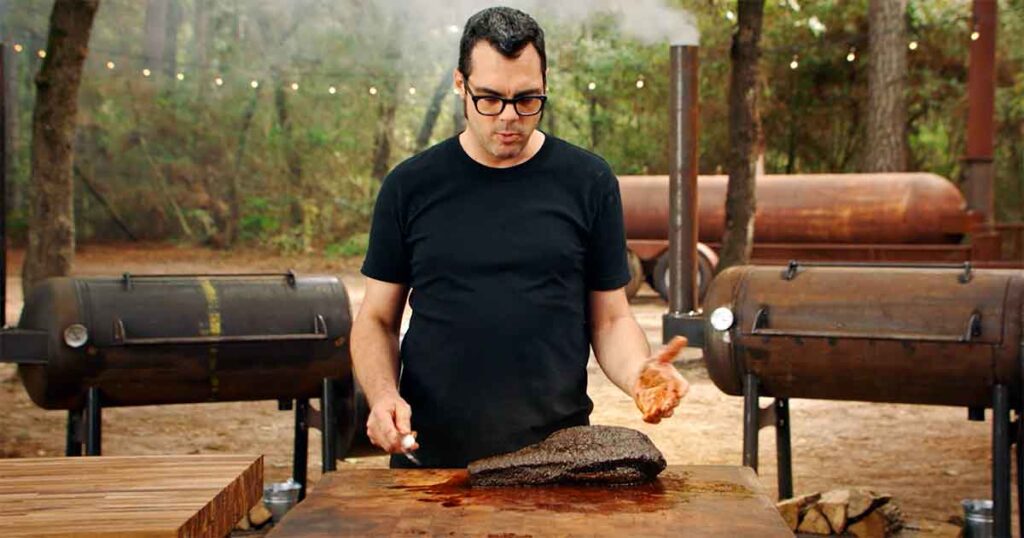
Leading figures in the barbecue community have offered various perspectives on the value and application of the Texas Crutch, underscoring its significance in modern smoking techniques.
- Meathead Goldwyn (AmazingRibs.com Founder and BBQ Hall of Famer): Meathead Goldwyn is a strong proponent of the Texas Crutch, particularly for brisket. He articulates its core benefit: “The Texas Crutch: Wrap In Foil Or Butcher Paper To Tenderize And Speed Cooking.” He further emphasizes its utility in competitive barbecue, where every advantage is sought: “It is a routine step in competition where every little incremental improvement is needed and if you are chasing that big prize money, you have to go for it”. Goldwyn considers wrapping in foil and holding the meat in an insulated cooler (faux cambro) “essential for tender, juicy brisket,” noting that brisket is “the only meat he consistently crutches”. These statements underscore his conviction in the technique’s efficacy for achieving superior results.
- Aaron Franklin (Franklin Barbecue, Austin, TX): While a direct quote from Aaron Franklin on the explicit value of the crutch is not readily available, his widespread adoption and popularization of butcher paper for wrapping brisket implicitly speaks to its practical benefits and his belief in its efficacy for achieving his renowned results. Franklin’s method of lightly spraying with apple cider vinegar instead of heavy liquids showcases a refined approach to the crutch, indicating a preference for maintaining some bark integrity while still benefiting from the wrap’s moisture retention and stall-breaking properties. His influence has cemented butcher paper as a legitimate and widely used alternative to foil.
- A “Practitioner of the Barbecue Arts” (Rouses.com): A particularly pragmatic perspective comes from a seasoned cook who champions the crutch for its real-world applicability: “As a cook, I like their ambition and determination. But as a practitioner of the barbecue arts, I’m more of a realist. When I cook pork shoulders, I don’t obsessively check my meat temperature or fiddle with airflow during a 9-hour smoking session. Instead, I lean pretty heavily on something called the “Texas Crutch.” And my life is much better for it.” This quote highlights the practical, time-saving, and stress-reducing value of the Texas Crutch for the home cook or “real-world” practitioner, emphasizing its role in making complex barbecue more manageable and less demanding.
- General Pitmaster Consensus (KPEL965.com): The broad acceptance of the technique among professionals is evident in the observation that: “One of those techniques has been dubbed the ‘Texas Crutch’ and it is apparently the very simple hack that all of the top purveyors of barbeque use when making a brisket.” This statement, while not attributed to a single named pitmaster, indicates a broad acceptance and utility among leading professionals. It suggests that the Texas Crutch is no longer a niche technique or a “cheat” but a widely adopted “hack” for consistently achieving high-quality results.
The description of the Texas Crutch as a “simple hack that all of the top purveyors of barbeque use” suggests a transition from a competitive edge or insider secret to a widely accepted best practice, democratizing advanced barbecue techniques. Initially a specialized technique for achieving an edge in competitive BBQ , its widespread adoption among “top purveyors” and “practically all the top competitive barbecue teams” confirms its general adoption.
The framing as a “simple hack” suggests it is accessible and effective for a broad range of cooks, not just elite professionals. This trend reflects the democratization of complex culinary skills. As scientific understanding and practical methods become widely shared, techniques that were once exclusive or difficult become standard, raising the overall quality and consistency of barbecue for everyone, from backyard enthusiasts to commercial operations.
Furthermore, the collective perspectives, particularly from Meathead Goldwyn and the “realist” practitioner, underscore that professional and competitive barbecue prioritizes consistent, high-quality results and efficiency over strict adherence to traditional “purist” methods. While purists may value traditional, unadulterated smoking, professional reality demands consistent tenderness, juiciness, and adherence to timelines.
Meathead’s emphasis on needing “every little incremental improvement” for “big prize money” highlights this results-driven environment. The “realist” practitioner’s quote perfectly encapsulates this shift: prioritizing a technique that makes “life much better” and ensures quality without “obsessively check[ing]…temperature or fiddl[ing] with airflow”.
This demonstrates a fundamental difference in philosophy between hobbyist purism and professional practice. In a professional context, the ultimate goal is the consistent delivery of an excellent product, and any technique, regardless of its “traditional” status, that reliably contributes to that goal will be embraced. This highlights the practical, outcome-oriented nature of high-level culinary production.
Strategic Tool for Pitmasters
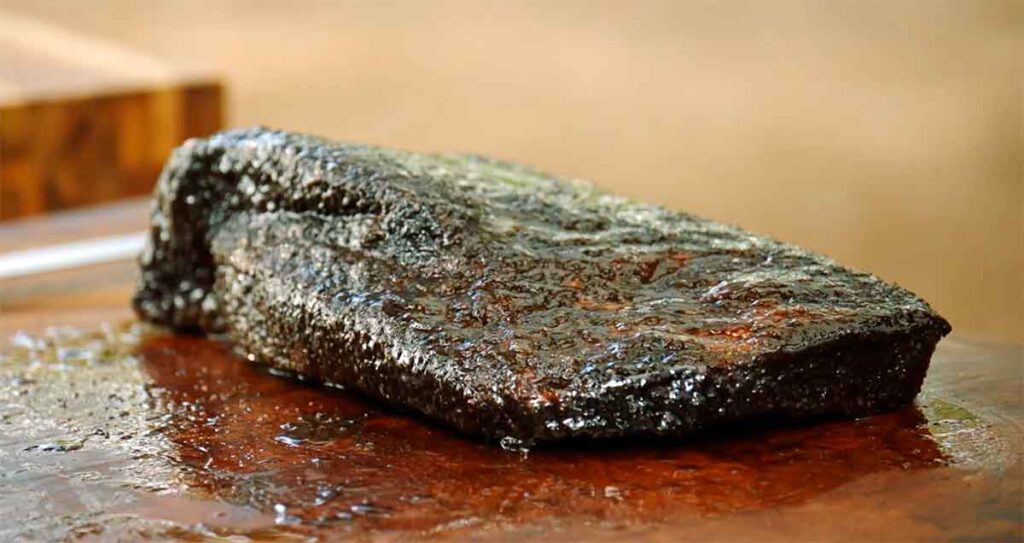
The Texas Crutch stands as a pivotal technique in modern barbecue, offering a scientifically sound method to overcome the inherent challenges of the “stall” and consistently produce tender, juicy, and flavorful smoked meats, particularly large cuts like brisket. It represents a pragmatic evolution in barbecue, successfully balancing traditional smoke infusion with efficient thermal management.
The effectiveness of the Texas Crutch is rooted in its ability to manipulate the principles of evaporative cooling and collagen breakdown. By creating a humid, braising environment within the wrap, it prevents the surface evaporation that causes the stall, allowing the meat’s internal temperature to rise steadily. Simultaneously, this moist environment accelerates the conversion of tough collagen into tender gelatin, ensuring a succulent final product.
Understanding these underlying scientific principles is crucial for effectively employing the Texas Crutch. This knowledge empowers pitmasters to make informed choices regarding wrapping materials (aluminum foil versus butcher paper), optimal timing for wrapping based on both internal temperature and bark development, and necessary post-wrap finishing steps to achieve desired outcomes for bark texture, smoke flavor, and tenderness. The process is dynamic, requiring observation and adaptation rather than rigid adherence to a recipe.
While not universally adopted by all purists, the widespread use and endorsement by leading pitmasters, coupled with its proven efficacy in the competitive circuit, affirm the Texas Crutch’s undeniable value as a strategic tool. It is a testament to the dynamic nature of barbecue, where innovation and scientific understanding continue to refine and enhance age-old culinary traditions, making high-quality smoked meats more accessible and consistent for a broader audience.
Take your cook even further—use our BBQ wood selector to find the ideal smoking wood for the meat you’re wrapping.
About the author
James Roller documents South Carolina barbecue for Destination BBQ and authored Going Whole Hog. He researches techniques, interviews pitmasters, creates tools, and curates reliable sources so home cooks can cook barbecue safely and confidently at home.
More about James.See something that needs a tweak? Send a correction.
« See All BBQ Terms