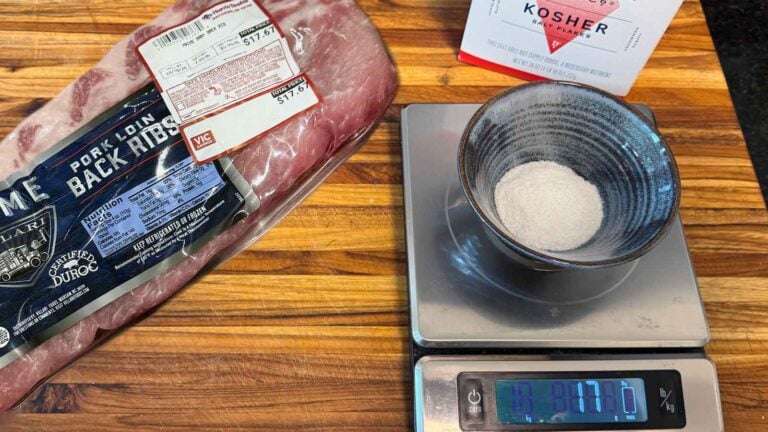
Wet Brine vs Dry Brine vs Equilibrium Brine
Choose the brining method that fits your meat when you need juicier lean cuts, better bark, crisp skin, or more control over salt
Your brining method should help your cook, not create new problems.
A wet brine can help lean meat stay juicy, but it can also leave you dealing with wet skin or weak bark. A dry brine helps with browning, crisp poultry skin, and barbecue bark, but you have to watch the salt if you are also using a rub. Equilibrium brining is worth considering when you want more control over how salty the meat gets and a little insurance if the brine time stretches.
Once you know which brine fits your cook, use the Brining Calculator for the exact salt amount and any water amount you need. This page helps you make the choice. The calculator handles the numbers.
Quick answer: wet brine, dry brine, or equilibrium brine
Start with what matters most for your cook. Does the meat need help staying juicy, or do you need a drier surface for bark, browning, or crisp skin?
Quick answer
- Use a wet brine when lean meat needs a little insurance against drying out.
- Use a dry brine when bark, browning, crisp skin, fridge space, or cleanup matter.
- Use an equilibrium brine when you want more control over saltiness, as long as it is calculated correctly.
- Once you choose the method, use the calculator for the exact salt and water amounts.
Check the label first. Enhanced, injected, self-basting, kosher, pre-brined, or already-seasoned meat may already contain salt.
That is the fast version. The right choice depends on what you are cooking and what you want from it.
What each brining method means
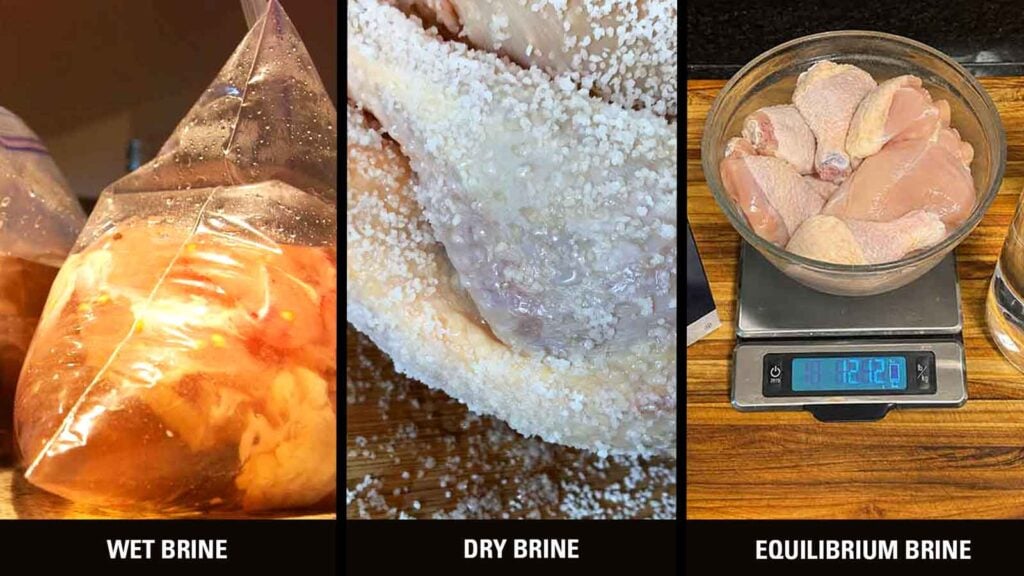
These three methods sound more complicated than they need to. The main difference is where the salt starts and how much control you want over where it ends up.
Wet brine
A wet brine means the meat is submerged in saltwater.
The saltwater can include sugar, herbs, garlic, bay leaves, peppercorns, or other seasonings, but salt is doing the main work. Sugar may add a little sweetness or help with browning. Aromatics mostly affect the surface and the aroma around the meat. They do not season the whole piece deeply from the inside out.
That is worth knowing before you fill a pot with herbs and expect them to carry the whole brine. They can help, but they are not the engine. Salt is.
Wet brining can help lean cuts feel more forgiving during cooking. Turkey breast, chicken breast, pork chops, pork loin, and some fish do not have much fat or connective tissue to protect them. A wet brine can give those cuts a little more room for error.
The tradeoff is the surface. Wet meat has to dry before it browns well. If you wet brine poultry and want better skin, plan on drying the skin before it goes into the oven or smoker. If you wet brine something where bark matters, you are starting with extra moisture that has to leave before bark can build.
Wet brining also takes room. A whole turkey in a container of brine is not a small thing in a packed refrigerator.
Dry brine
A dry brine means salt goes directly on the meat.
At first, the salt pulls a little moisture to the surface. That moisture dissolves the salt, then some of it gets drawn back into the meat. You are not adding a bucket of outside water. You are using the meat’s own moisture to carry salt where it needs to go.
That is why dry brining works so well when the surface matters. A drier surface gives you a better starting point for poultry skin, browning, crust, and bark. It is also cleaner and easier to store. A sheet pan or rack is usually enough.
The catch is using the right amount of salt. If you dry brine and then use a rub made with salt, you may salt the meat twice. If you want to work by actual meat weight instead of guessing by feel, our dry brining by weight guide is the better next step.
Equilibrium brine
Equilibrium brining is usually a wet brine, but the salt is calculated differently.
A standard wet brine usually starts with the strength of the brine itself. A dry brine usually bases the salt on the weight of the meat. A wet equilibrium brine bases the amount of salt on the combined weight of the meat and the water together.
That matters because you are trying to keep the meat from getting saltier than you want. Instead of using a strong brine and trying to pull the meat out before it gets too salty, you measure the salt for the meat and water you actually have.
That does not make it magic.
Equilibrium brining can reduce the risk of oversalting when calculated correctly, but it still needs refrigeration. It is not automatically faster. The thickness of the meat still matters. Texture still matters. Fish can still soften. Poultry skin can still need drying. This is not the place to guess at the salt.
One note on terminology: you may also see “equilibrium curing” used in charcuterie and preserved-meat discussions. That can include dry, weight-based curing methods and Cure #1 work. That is a different job from choosing a wet, dry, or equilibrium brine for fresh meat.
For a deeper explanation of the idea, see Equilibrium Brining Explained.
Wet brine vs dry brine vs equilibrium brine compared
Use this table as a quick way to compare the three methods. The point is not to crown a winner. The point is to match the brine to the cook.
| Method | What it uses | Best for | Main strength | Main tradeoff | BBQ note | When precision matters |
|---|---|---|---|---|---|---|
| Wet brine | Salt dissolved in water | Lean cuts, turkey breast, chicken breast, pork chops, and some fish | Gives lean meat a little cushion if the cook runs long | Needs a container, fridge space, cleanup, and drying afterward | Can work against bark and crisp skin if the surface stays wet | You need exact salt and water amounts |
| Dry brine | Salt directly on the meat | Bark, browning, crisp poultry skin, roasts, ribs, brisket, and pork shoulder | Less mess, less fridge space, and a drier surface to start | Can oversalt if measured poorly or paired with a salty rub | Usually the better fit for smoked meats where the surface matters | You want salt based on meat weight |
| Equilibrium brine | Salt calculated against meat plus water, usually as a wet brine | Brine times that may stretch, repeatable saltiness, and less guesswork | Reduces oversalting risk when calculated correctly | Requires weighing and still needs cold storage | Useful when you care more about getting the salt right than moving fast | You need salt based on meat plus water |
If you are still torn after reading the table, ask yourself what would disappoint you most: dry meat, soft skin, weak bark, too much cleanup, or oversalting. That usually points you toward the right method.
When wet brining makes the most sense
Wet brining earns its keep when the meat is lean enough to dry out before you are happy with it.
Think turkey breast, chicken breast, pork chops, pork loin, and some fish. Those cuts do not have much fat or connective tissue to protect them. A wet brine can give you a little more room for error, especially if the cook runs a touch longer than planned.
That does not mean wet brining is always better. It means wet brining is usually better when moisture matters more than the surface.
Use wet brine when:
- the cut is lean
- moisture matters more than bark or crisp skin
- you have room to keep the meat fully refrigerated
- you can dry the surface afterward if browning matters
- the meat is not already salty from the processor
Wet brining is not the best fit for everything. If you are smoking brisket, ribs, or pork shoulder, a wet brine usually gives up more than it gives back.
When dry brining makes the most sense
Dry brining is usually the better choice when you care about the surface of the meat.
That is a big deal in barbecue. Bark on brisket, ribs, and pork shoulder depends on surface drying, seasoning, smoke, and time. Poultry skin needs a dry surface before it can crisp. Beef roasts and steaks brown better when the surface is not wet.
Dry brining also fits real life. It takes less fridge space. It does not need a large container. Cleanup is easier. You can keep the meat uncovered or loosely covered on a rack, depending on the cook and your fridge setup, and give the surface time to dry.
Use dry brine when:
- bark matters
- crisp poultry skin matters
- browning or crust matters
- fridge space is tight
- cleanup matters
- you are working with ribs, brisket, pork shoulder, beef roasts, whole chicken, or whole turkey
The main risk is stacking salt. If the rub is already salty, count that rub as part of your salt.
When equilibrium brining is worth using
Equilibrium brining is most useful when you want more control over how salty the meat gets and less guessing.
That can matter with bigger wet brines, repeat batches, holiday cooks, or situations where the meat might sit in the brine longer than planned. When you calculate the salt against the meat and water together, your brine is mixed to get closer to the saltiness you want and lower the chance of oversalting.
Equilibrium brining is more forgiving when calculated correctly. It is not foolproof. It is not faster. And it is not permission to ignore the clock, the fridge, or the texture of the meat.
Use equilibrium brining when:
- you want more control over the saltiness of the meat
- you want a little insurance if the brine time stretches
- you are wet brining a larger cut, a holiday bird, or something you really do not want to oversalt
- you are trying to lower the chance of oversalting
- you are willing to weigh the meat and water instead of guessing
This is where weighing matters most. Equilibrium brining only works as intended when the meat and water weights are right.
Best brining method for different meats
The meat matters as much as the method. A brine that helps chicken breast can be a waste of effort on brisket, and a brine that helps turkey skin may not be what you want for fish.
| Meat | Best starting point | Good alternate | Why | Watch out for |
|---|---|---|---|---|
| Whole turkey | Dry brine | Wet or equilibrium brine | Dry skin helps with browning and crispness | Enhanced, self-basting, kosher, or pre-brined birds may already contain salt |
| Turkey breast | Wet or equilibrium brine | Dry brine | Lean breast meat can use a little help staying juicy | Boneless, injected, or enhanced products can oversalt quickly |
| Whole chicken | Dry brine | Wet brine | Skin and browning usually matter | Wet-brined skin needs drying time before cooking |
| Chicken pieces | Dry for skin-on pieces, wet for boneless breast | Equilibrium brine for more control | The choice depends on whether skin or moisture matters more | Small pieces take salt quickly |
| Pork chops / pork loin | Wet or equilibrium brine | Dry brine | Lean pork can dry out during cooking | Thin chops and salty rubs |
| Pork shoulder | Dry brine or salted rub | No brine | Fat, collagen, bark, and rub matter more than added water | Double-salting with a rub |
| Ribs | Dry brine or salted rub | No separate brine | Bark and surface seasoning matter | Adding a salty rub after salting |
| Brisket | Dry brine or controlled salting | Season at cook time | Bark is usually the priority | Wet brine is generally not worth the tradeoff |
| Beef roasts / steaks | Dry brine | Salt shortly before cooking | Browning and seasoning depth matter | Wet brine is usually unnecessary |
| Fish | Short, mild wet brine or light salting | Skip the brine | Some fish benefits from gentle salting, but texture changes quickly | Long brines can make fish mushy or too salty |
| Enhanced, injected, kosher, pre-brined, or already-seasoned meat | Skip or reduce salt heavily | Salt-free rub | It already contains salt or has been salted during processing | Treating it like fresh unsalted meat |
The table gives you the starting point. The details below help you make the call when your cook does not fit neatly into one row.
Turkey and whole poultry
Whole turkey is where dry brining often makes the most sense. The skin matters, and dry brining gives you a better surface to start from.
Wet brining still has a place, especially if moisture matters more to you than skin. If you go that route, give the bird time to dry afterward. Wet skin going into the oven or smoker works against crisp skin.
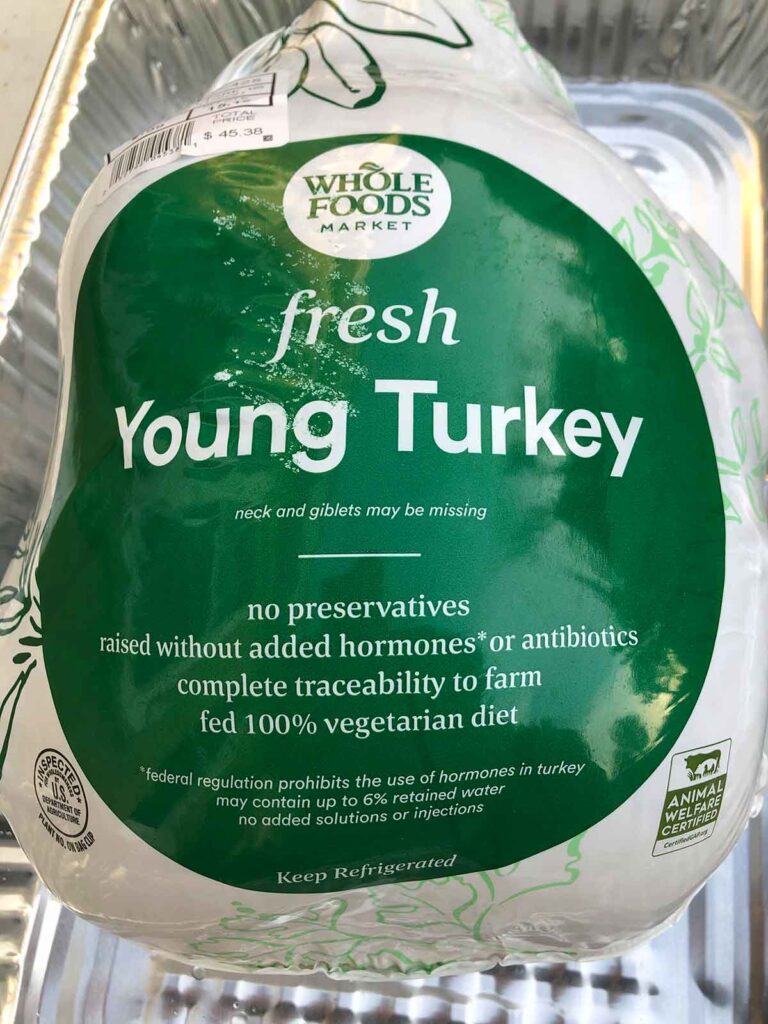
Also, check the label before you do anything. If the turkey says enhanced, contains solution, self-basting, kosher, or pre-brined, it has already been salted or treated. That means you may need to skip the brine or use much less salt.
If you’re trying to figure out when to thaw the turkey, when to start cooking, or how to time the day, our Turkey Planner is the better tool for that part.
Chicken
For whole chicken or skin-on pieces, dry brine is usually the better starting point. Chicken skin needs help drying, and dry brining works with that goal instead of against it.
For boneless chicken breast, wet brining can make sense. That cut is lean and easy to overcook, so a little cushion can help. Just keep the brine mild and cold, and do not treat small pieces like a whole bird. Smaller pieces take salt faster.
Pork chops and pork loin
Lean pork is where wet brining can still be a very good tool.
Pork chops and pork loin do not have the same protection as pork shoulder. They can dry out before they brown the way you want. A wet brine or equilibrium wet brine gives you a more forgiving starting point, especially with thicker pieces.
Dry brining can still work for thicker chops when browning is the main thing you care about. Thin chops need more restraint. They can go from seasoned to too salty faster than you expect.
Pork shoulder and ribs
Pork shoulder and ribs are usually better with a dry brine, a salted rub, or no separate brine at all.
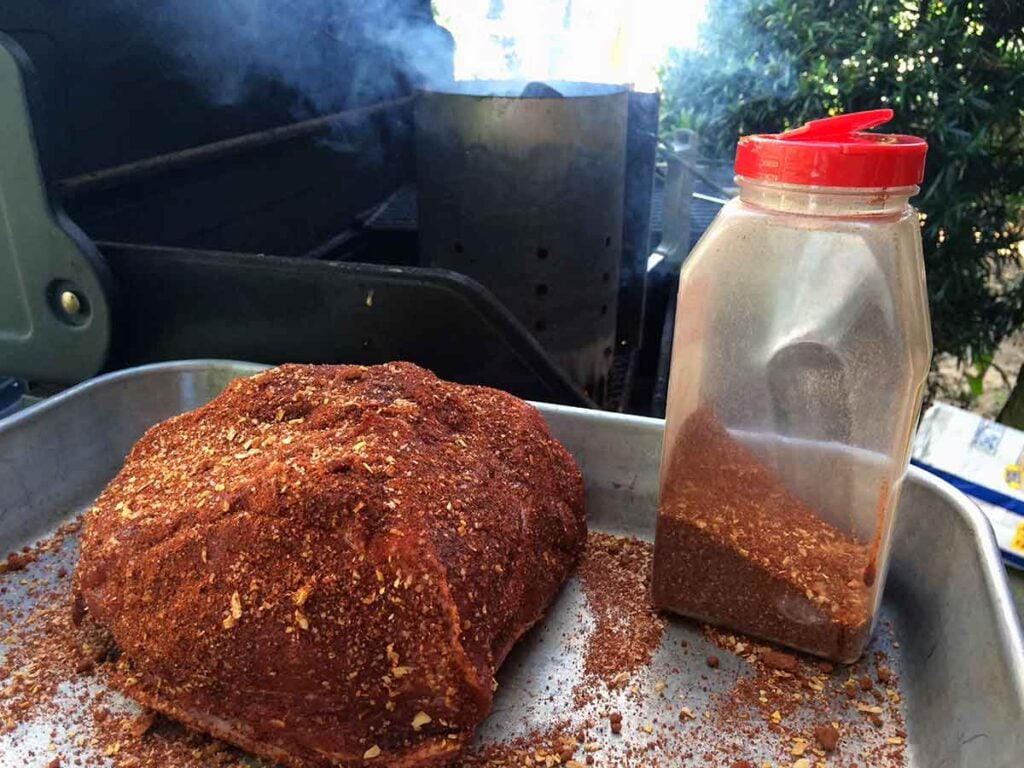
These cuts are not lean poultry. Pork shoulder brings fat, connective tissue, a long cook, smoke, rub, and bark into the picture. Ribs are all about surface seasoning, texture, and bark. A wet brine takes up room and adds moisture to the surface without giving you much in return. When I’m cooking ribs or pork shoulder, I’d rather protect the surface, keep the salt under control, and let the rub and smoke do their work.
The big warning here is double-salting. If you salt the meat ahead of time, use a lower-salt or salt-free rub later, or adjust the rub so you are not stacking salt on salt.
Brisket and beef roasts
With brisket, dry brine it or season it at cook time. Wet brining is usually not the better choice.
The main goal is bark, seasoning, smoke, and a long cook that gives the meat time to soften. Wet brining does not solve brisket’s main problems, and it leaves you drying the surface early in the cook when you would rather be building bark.
For beef roasts and steaks, dry brining is usually the cleaner fit. It helps with seasoning and browning without turning the surface wet.
Fish and seafood
Fish needs a lighter hand than meat or poultry.
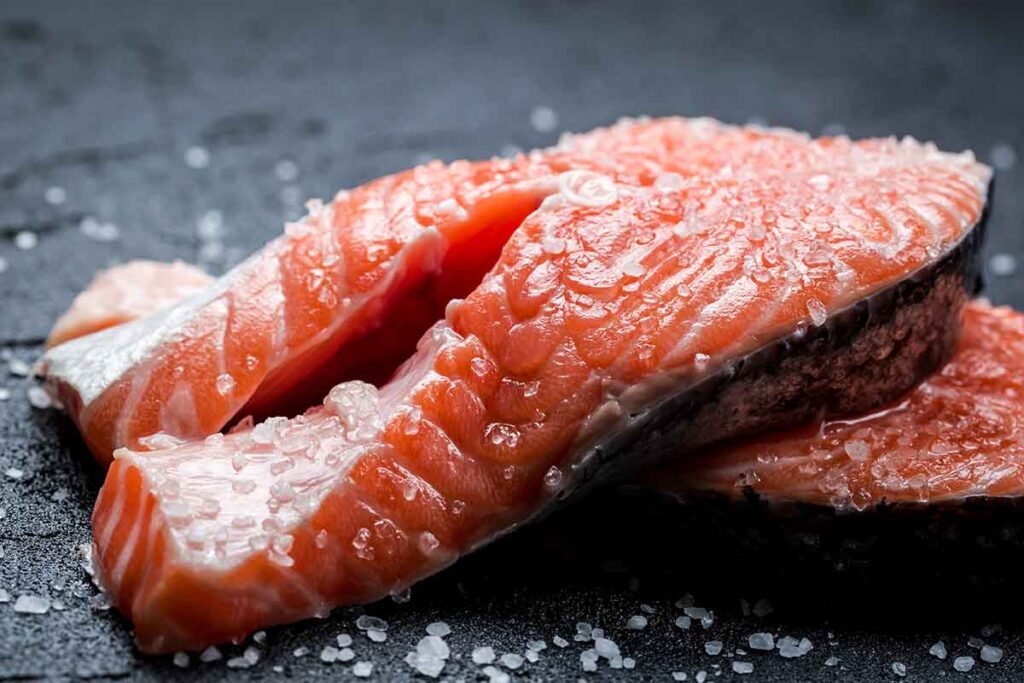
Some fish can benefit from a short, mild wet brine or light salting, especially when you want a firmer texture. But fish is delicate. Long brining can turn it mushy or make it too salty.
If you are unsure, go lighter or skip the brine. Fish is not the place to prove a point with a strong brine.
Enhanced, injected, kosher, pre-brined, or already-seasoned meat
This is not a footnote. It is one of the easiest ways to ruin a cook.
If the label says enhanced, injected, self-basting, marinated, contains solution, kosher, pre-brined, or already seasoned, the meat may already contain salt. If you brine it like plain, unsalted meat, you may end up with something too salty no matter which method you picked.
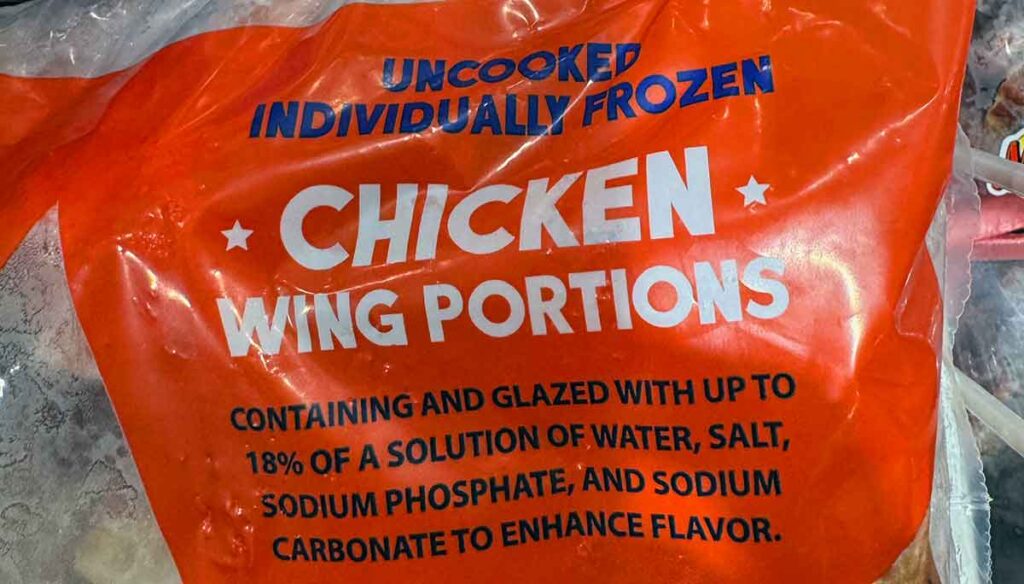
The safest starting point is to skip the brine or reduce the salt heavily. A salt-free rub is often the better choice.
BBQ bark, skin, browning, and rub timing
The smoker changes what matters. You are not only seasoning the inside of the meat. You are also building a surface.
Bark
Bark needs a surface that can dry, set, and take on color.
That is why dry brining is usually the better fit for brisket, ribs, pork shoulder, and beef roasts. Wet brining starts the cook with extra surface moisture. That moisture has to evaporate before the bark can really get moving.
You can still build bark after a wet brine if you dry the meat well. You are just making the cook do extra work before the surface gets where you want it.
Poultry skin
Poultry skin is unforgiving when it stays wet.
Dry brining helps because it seasons the meat while also giving the skin a chance to dry. Wet-brined poultry can still brown and crisp, but you need to plan for drying time before cooking. If crisp skin is the main thing you care about, dry brining starts ahead.
Browning
Browning needs heat and a relatively dry surface.
That matters for turkey skin, chicken skin, pork chops, beef roasts, and steaks. If the surface is wet, the first job of the heat is evaporation. Only after that does browning really begin.
That is why a wet brine can help the inside of a lean cut but still make the outside harder to manage.
Smoke and surface moisture
Smoke and surface moisture are easy to overthink.
A very wet surface can slow bark and browning. But for most backyard cooks, it comes down to this: do you need help keeping the meat juicy, or do you need a drier surface for bark, browning, or skin?
Once you know how you want to salt the meat, you may also need to match the smoke wood to the meat. The BBQ Wood Selector can help with that part.
Rub timing
A salty rub is not just flavor. It is also salt.
If you put on a salty rub hours ahead of time, it can act like a dry brine. That can be a good thing. The problem starts when you dry brine first, then add a full-strength salty rub like nothing has happened.
Pick one main salting step, or reduce the salt in the second one.
Fridge space, cleanup, and timing
The best brine on paper still has to fit in your kitchen.
Wet brining takes the most space. You need a food-safe container, enough brine to cover the meat, and enough room in the refrigerator to keep the whole setup cold. That is easy with chicken pieces and much harder with a turkey.
Dry brining is easier to manage. A rack over a sheet pan is often enough, and the cleanup is lighter. There is no used liquid to pour out, and there is less chance of a container leaking in the fridge.
Equilibrium brining is often still a wet brine, so do not assume it saves space. Its advantage is salt control, not convenience.
Timing is where people sometimes misunderstand equilibrium brining. It can be more forgiving when calculated correctly, but that does not mean the meat can sit forever. Texture still changes. Fish still needs caution. Poultry skin still needs drying. Food safety rules still apply.
For cut-by-cut timing help, use our guide to brining time so you can match the method to the size, thickness, and type of meat you are cooking.
Safety basics before you brine
This is where being careful really matters. Brining is raw-meat handling, not just seasoning.
Keep meat, poultry, and fish cold while they brine. FoodSafety.gov recommends keeping your refrigerator at 40°F or below, and USDA FSIS defines the danger zone as 40°F to 140°F. Do not brine on the counter.
If you heat water to dissolve salt or sugar, cool that brine before raw meat goes in. Warm brine and raw meat are not a safe combination. It puts the meat in the temperature range you are trying to avoid.
Use containers meant for food. USDA FSIS poultry brining guidance points to food-grade plastic, stainless steel, or glass containers and says used brine should be discarded after it has touched raw poultry. Food-safe brining bags can also work when they are made for the job.
Also think about where the container sits. Store it where leaks cannot drip onto ready-to-eat food. A pan underneath the container is cheap insurance, especially with a bag or a large turkey.
Once the meat has been brined, throw the brine away. It has touched raw meat and cannot be reused.
Wash your hands, tools, counters, and sinks after handling raw meat, just like you would with any raw-meat preparation.
Here is the practical checklist to keep beside the cook.
Safety checklist before you brine
- Keep meat, poultry, and fish refrigerated while brining.
- Do not brine on the counter.
- Chill any heated brine before adding raw meat.
- Use food-safe, non-reactive containers.
- Keep raw brine away from ready-to-eat food.
- Store brining containers where leaks cannot drip onto other food.
- Discard used brine.
- Wash hands, tools, counters, and sinks after raw-meat contact.
- Check labels for enhanced, injected, self-basting, kosher, pre-brined, or already-seasoned meat.
- Do not use Cure #1 unless you are following a curing recipe and calculator mode meant for it.
Regular salt and Cure #1 are not the same thing. Cure #1, also called Prague Powder #1, belongs in curing work where nitrite amounts matter. If that is what you are doing, start with Cure #1 safety and use the correct calculator mode for that job.
When to use the Brining Calculator
Once you know the method, stop guessing at the numbers.
This page helps you decide between wet brine, dry brine, and equilibrium brine. Once you have that choice made, use the right numbers for your meat, your water, your salt, and your timing. That matters even more if you are changing salt types, scaling up, using equilibrium brining, or working anywhere near Cure #1.
When to use the calculator
- Use the Brining Calculator when you need exact salt amounts.
- Enter the water amount for wet brines.
- Use meat and water weights for equilibrium brining.
- Treat timing as guidance, not a reason to ignore texture or food safety.
- Use the Cure #1 mode only when you are following a curing recipe that calls for it.
This page helps you choose the brine. The calculator helps you find the amounts.
That’s the basic idea. Choose the method here. Get the exact amounts there.
Common mistakes when choosing a brining method
Most brining problems start before the meat ever hits the smoker or oven. The wrong method, the wrong label assumption, or one extra salty step can throw off the whole cook.
Wet brining brisket or pork shoulder. These fatty, long-cooking cuts do not need the added water. You are using a lot of fridge space for a benefit that does not show up the same way it does with lean chicken or pork chops.
Wet brining ribs when what you really want is bark. Ribs are mostly about bark, texture, and seasoning on the surface. A dry brine, salted rub, or no separate brine usually fits better than putting the rack in a bucket of liquid.
Dry brining and then adding a salty rub. That is the classic double-salt problem. If the rub is salty, count it as part of your total salt.
Brining already-salted meat like it is plain meat. Enhanced, injected, self-basting, kosher, pre-brined, and already-seasoned meat all need caution. Go lighter or skip the brine.
Putting raw meat into warm brine. Cool the brine first. Warm brine and raw meat are not a safe combination.
Assuming equilibrium brining means your timing no longer matters. It can reduce oversalting risk when calculated correctly, but it does not erase safety rules, texture changes, or the need for refrigeration.
Brining fish too aggressively. Fish is delicate. Keep it short and mild, or skip the brine.
Expecting aromatics to season deep into the meat. Herbs, garlic, peppercorns, and bay leaves can help the surface and the aroma, but salt is still doing the main work.
Wet, Dry, and Equilibrium Brining FAQs
These questions come up once the basic wet, dry, and equilibrium choice is clear.
No. Dry brining is usually better when you care about bark, browning, crisp poultry skin, fridge space, or easier cleanup. Wet brining is usually better when lean meat needs help staying juicy. A pork chop, turkey breast, rack of ribs, and brisket do not all need the same brining method.
Usually, equilibrium brining is a type of wet brine, but the salt is calculated differently. A standard wet brine usually starts with the strength of the brine itself. A wet equilibrium brine bases the salt on the combined weight of the meat and water so you have more control over how salty the meat gets.
It can, especially if the rub sits on the meat for several hours before cooking. Salt still acts like salt when it is mixed with pepper, paprika, sugar, garlic powder, or other spices. If your rub is salty, count it as part of the total salt on the meat.
The safest starting point is to skip the brine or reduce the salt heavily. Those labels usually mean salt, or a salt-containing solution, is already part of the meat. If you treat it like plain, unsalted meat, the final result can turn too salty no matter which brining method you choose.
No. Equilibrium brining can help control saltiness when calculated correctly, but it does not change basic food-safety rules. The meat still needs to stay refrigerated, the brine still needs safe handling, and fish or other delicate foods can still suffer in texture if they sit too long.
Usually, no. After a wet brine, remove the meat from the brine and pat it dry. Rinsing can make poultry skin wetter and may spread raw juices around the sink. If a specific recipe tells you to rinse, clean and sanitize the sink and nearby surfaces afterward.
Corrections and editorial standards
- Spotted something wrong or outdated? Send a correction here: Corrections & Updates
- How we handle sources, testing, and updates: Editorial Standards
- Media or general notes: Email the publisher
Sources
This page combines practical barbecue guidance with USDA and FoodSafety.gov safety references, plus cooking-science sources on brining, surface drying, browning, bark, and salt control. The advice is meant to help you choose a brining method before using the calculator for exact amounts.
- USDA FSIS: Poultry, Basting, Brining, and Marinating: supports food-safe container guidance, used-brine disposal, and enhanced poultry cautions
- USDA FSIS: Danger Zone 40°F to 140°F: supports cold-handling and danger-zone guidance
- FoodSafety.gov: 4 Steps to Food Safety: supports refrigerator temperature and safe raw-meat handling guidance
- AmazingRibs: Wet Brining vs Dry Brining: supports practical wet-vs-dry brining tradeoffs for barbecue, including bark and moisture considerations
- Serious Eats: The Right Way to Brine Turkey: supports wet-vs-dry turkey discussion, dry-salting tradeoffs, and practical brining drawbacks
- ChefSteps: Equilibrium Brining: supports the explanation of equilibrium brining as a calculated approach to salt control
Safety guidance reflects USDA FSIS and FoodSafety.gov recommendations. Brining results vary by cut, thickness, refrigerator temperature, salt type, and whether the meat was already salted before purchase.
About the author
James Roller documents South Carolina barbecue for Destination BBQ and authored the SC BBQ cookbook Going Whole Hog. His BBQ guides focus on practical planning questions, including how much food to buy, how to avoid running short, and how to use reliable cooking-science and food-safety guidance without making backyard cooking more complicated than it needs to be.