Oak
Learn how oak burns and tastes, why it’s a steady all-purpose smoke wood, which meats it fits best, and when blending adds extra character
What is Oak Wood for BBQ?
In barbecue, oak is the wood experienced pitmasters trust: clean burn, long-lived coals, and a medium smoke that lets the meat speak. In Texas, that’s post oak for brisket; on California’s Central Coast, “red oak” (coast live oak) powers Santa Maria-style cooks; across the Carolinas, many pork pits stoke an oak fire with a hint of hickory. Use it straight or make it your base, then add fruit woods when you want a lighter top note—see the pairings in the BBQ Wood Selector.
Key Takeaways
- Oak is the reliable base wood: dense, coal-rich, clean-burning, with a medium smoke that lets the meat speak.
- Seasoning beats species: use well-dried oak; moisture is the difference between sweet smoke and bitterness.
- Regional anchors: post oak defines Central Texas brisket; coast live oak powers Santa Maria style; across the Carolinas, many pits burn oak (often with a touch of hickory) for shoulders and whole hog.
- Best uses: beef first (brisket, ribs), then pork shoulders/ribs; run it straight or use it as the base—blend fruit woods for lighter top notes.
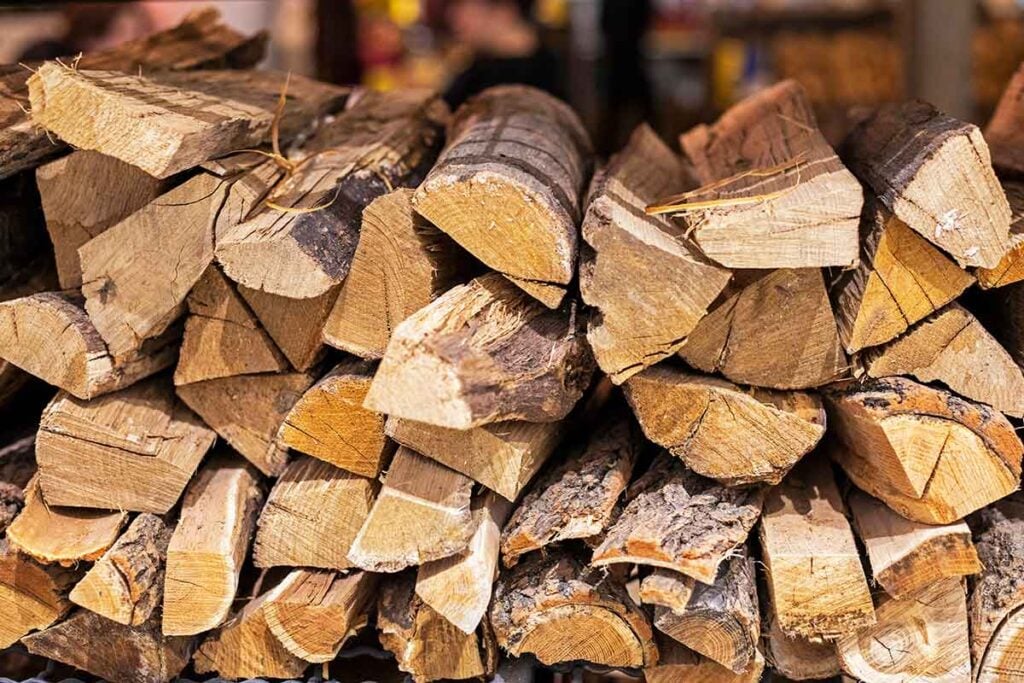
“Wood is the primary flavor that we’ve got on barbecue. What we’ve got here in Central Texas is called post oak.”
~Aaron Franklin, in his MasterClass series
Understanding Oak: Hardwoods for BBQ
Oak Species Used in BBQ (Post, White, Red/Coast Live)
When folks say “oak,” they mean hardwoods in the Quercus family. For pit work you’ll most often see the white-oak group—post oak (Texas standard), white oak (common across the East), live oak in the Southeast—and the red-oak group—coast live oak (called “red oak” in Santa Maria), northern/southern red oak, water oak, and pin oak.
As you can tell, oak is both diverse and widespread. The US Forest Service maintains comprehensive guides to North American oak species, noting that oaks are “the most abundant and diverse woody plants and one of the most highly valued, important forest trees as measured by provision of ecosystem services and economic value” across the continent.
What matters to a pitmaster is behavior: all of them are dense enough to burn steady, make a generous coal bed, and keep your pit from yo-yoing. Species does shape availability and split size, but seasoning beats species every time.
Nerdy note: “Live oak” isn’t one thing botanically—coast live oak (California) belongs to the red-oak group, while southern live oak (the Lowcountry evergreen) sits in the white-oak group. Different branches of the family, both perfectly serviceable when they’re good and dry.
Oak’s Flavor Profile for Smoking
Oak lives in barbecue’s Goldilocks zone—more presence than apple or cherry, far gentler than mesquite or a heavy hand of hickory. On a clean, well-drafted fire, the smoke reads savory with a light sweetness and supports the meat instead of covering it.
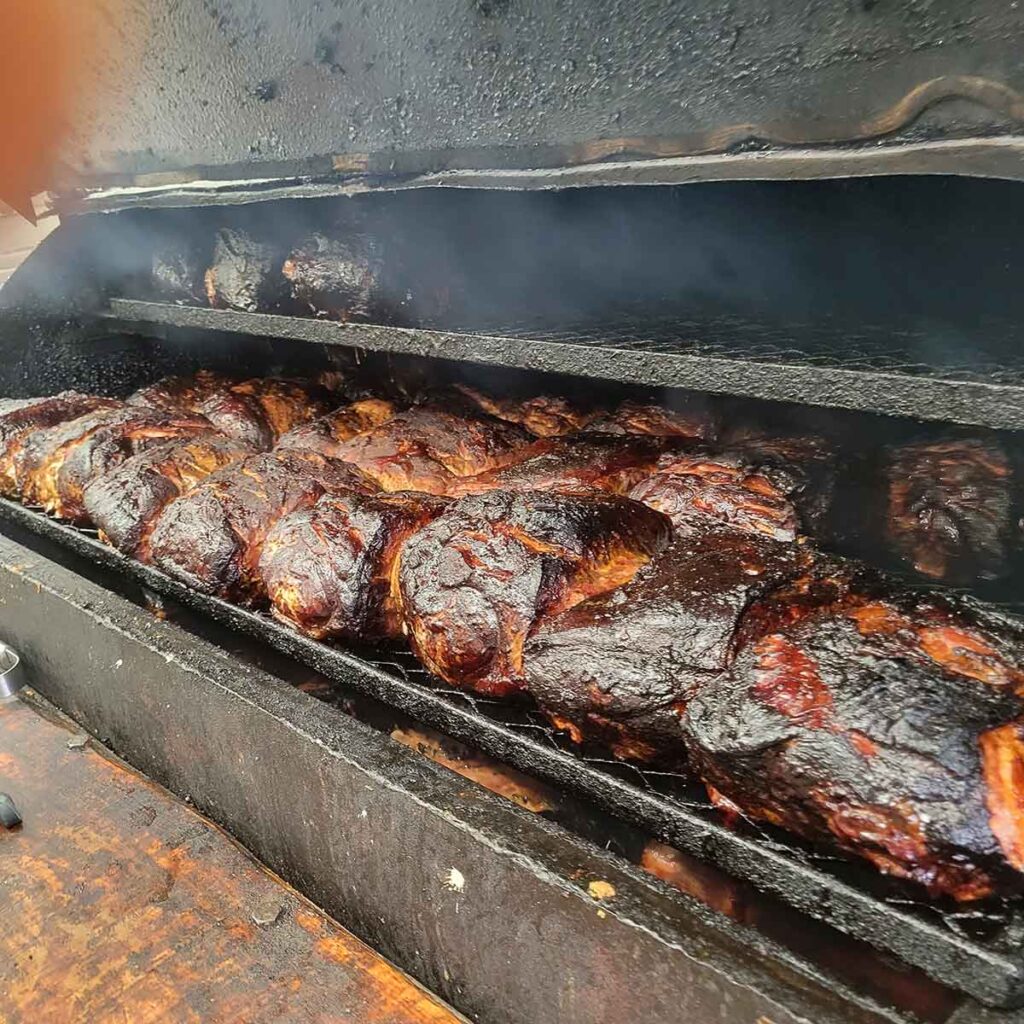
“The smoke aromas should be faint and seductive… not like a bonfire smell,” Meathead Goldwyn wrote on AmazingRibs. If your smoke smells sweet and clean, you’re likely seeing blue smoke—thin and almost invisible.
Oak Wood Types Comparison Chart
| Oak Type | Flavor Strength | Smoke Flavor Notes | Burn Character | Best Uses | Where It’s Iconic |
|---|---|---|---|---|---|
| Post Oak | Medium | Clean, toasty; gentle tannin | Steady heat; coal-rich and forgiving | Brisket, beef ribs; base wood for blends | Central Texas stickburners |
| White Oak | Medium | Subtle sweetness; vanilla-toast edge | Dense; long-lasting coal bed | Pork shoulder/ribs, turkey; all-wood cooks | Southeast & Appalachia pits |
| Red / Coast Live Oak | Medium–Strong | Robust, savory; light sweetness | Hot, clean coals; quick heat recovery | Tri-tip, steaks, chicken (direct over coals) | Santa Maria–style grills (California) |
History & Regional Use
Central Texas meat-market barbecue formed around what the land offered: beef, salt and pepper, and stacks of post oak. “Kris Manning [pitmaster at Smokey Joe’s BBQ in Dallas] thinks post oak is ‘the best thing for building bark,'” as noted by Texas Monthly, “adding that ‘it puts good color on the meat without adding too much temp.’”
In the Carolinas, hardwood coals are part of the fabric; many whole-hog and shoulder cooks burn oak down and shovel the glowing embers under the meat.
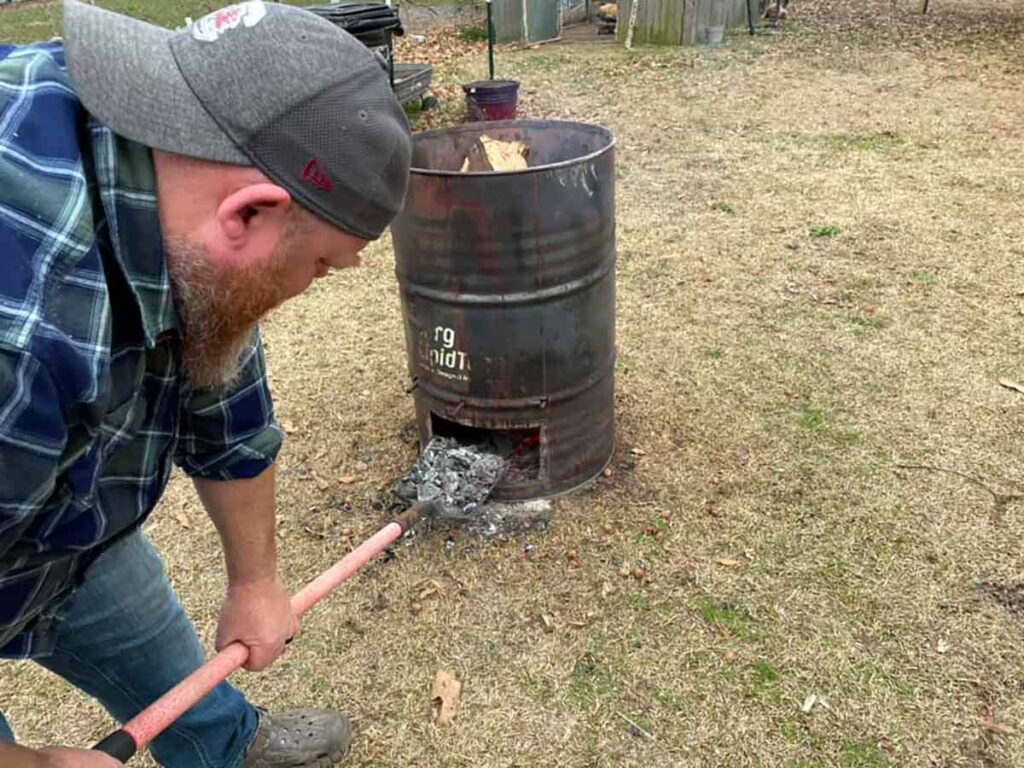
“We use predominantly oak… about 98% oak,” Sam Jones said to the Fayetteville Observer.
On California’s Central Coast, Santa Maria-style cooks roast cuts of beef—now famously tri-tip—over coast live oak coals on a crank-lift grate.
Different regions, same lesson: use the local oak that burns steady and tastes right.
Best Meats to Smoke with Oak
Oak is a true all-rounder, but it has favorite dance partners:
Beef, especially brisket and plate ribs, loves oak’s steady heat and medium smoke; if you choose to wrap mid-cook, the timing details in the Texas Crutch will keep bark and moisture in balance.
Pork shoulders and ribs build a sturdy crust without smothering your mop or sauce—handy in the Carolinas, where styles vary. For rib trim and technique, the guidance in St. Louis Style Ribs pairs naturally with an oak fire.
Poultry takes straight oak for a fuller smoke note, or a 70/30 blend with cherry or apple for softer edges.
How to Buy and Select Quality Oak for BBQ
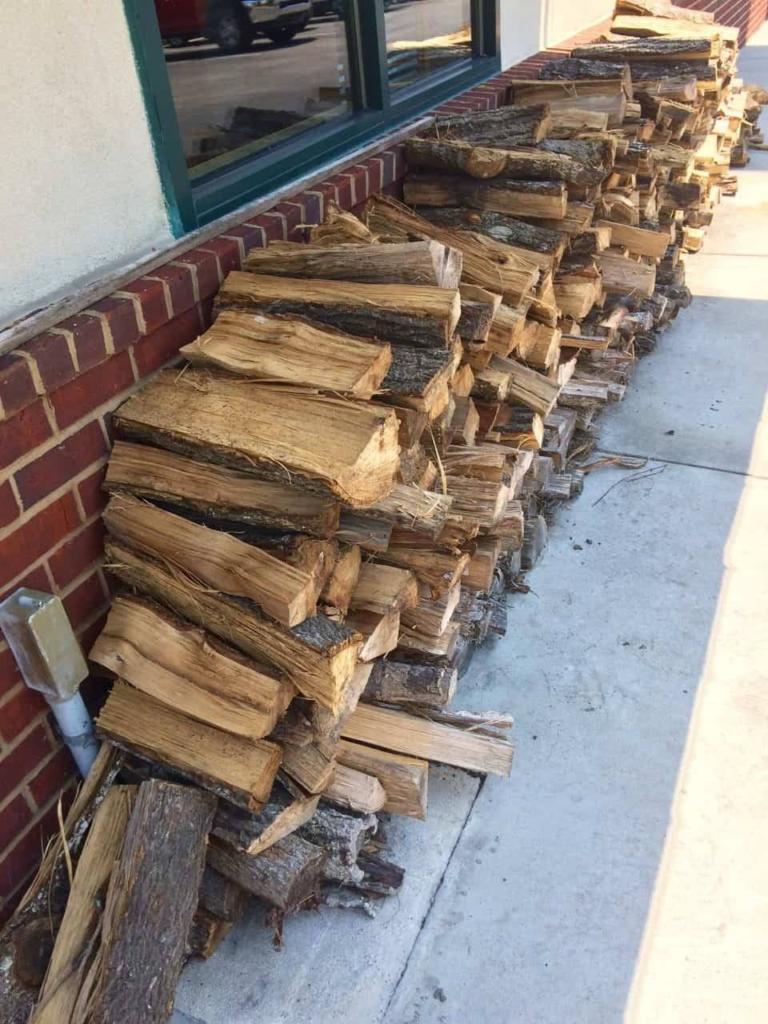
Oak is widely available in many forms:
- Logs and splits: Best for offset smokers or open pits.
- Chunks: Great for kettles, kamados, or drum smokers.
- Chips: Good for gas grills in a smoker box.
- Pellets: Common in pellet grills, often blended to tame the flavor.
Seasoning beats species. Properly dried oak—air-seasoned six to twelve months (or even kiln-dried in a pinch)—lights easier, burns cleaner, and leaves less ash. Split size matters: wrist-thick splits ignite reliably and are easy to meter into a small, clean fire.
Trust your nose: good oak smells fresh and woody, never musty or chemical. Match the form to the cooker—splits/logs for offsets and stick-burners; chunks (fist-size) for kettles and ceramics; chips in a smoker box for gas grills; and pellets for pellet cookers.
Using Oak on Different Cookers (Offset, Kettle/Kamado, Pellet, Gas)
Offset smokers: Build a solid coal bed, then feed modest splits as needed to hold temp and keep the smoke thin and sweet. Pre-warm the next split on the firebox so it lights clean.
Kettle & ceramic cookers: Nestle two to four chunks into the charcoal. For long cooks, arrange a charcoal “snake” and space chunks along the path so flavor arrives in waves—the Snake Method lays it out step-by-step.
Pellet grills: Oak pellets make a great base for beef and pork; layer in a fruit-wood pellet for a lighter aromatic top note if you like.
Gas grills: Chips in a smoker box season shorter cooks; refresh as needed to keep the smoke clean.
For Carolina whole-hog or shoulders cooked over coals, many pits burn sticks down first, then shovel glowing oak coals under the meat at intervals; a dedicated burn barrel (see Burn Barrel) makes that rhythm easier to manage.
Why Oak Wood Burns Best for BBQ (The Science)
Oak’s density stores more energy, which is why it burns longer and leaves a coal-rich bed that stabilizes the pit. As the fire runs clean, lignin breaks into aromatic phenols (like guaiacol and syringol) that read as “smoky” while the surface browns and dries into bark.
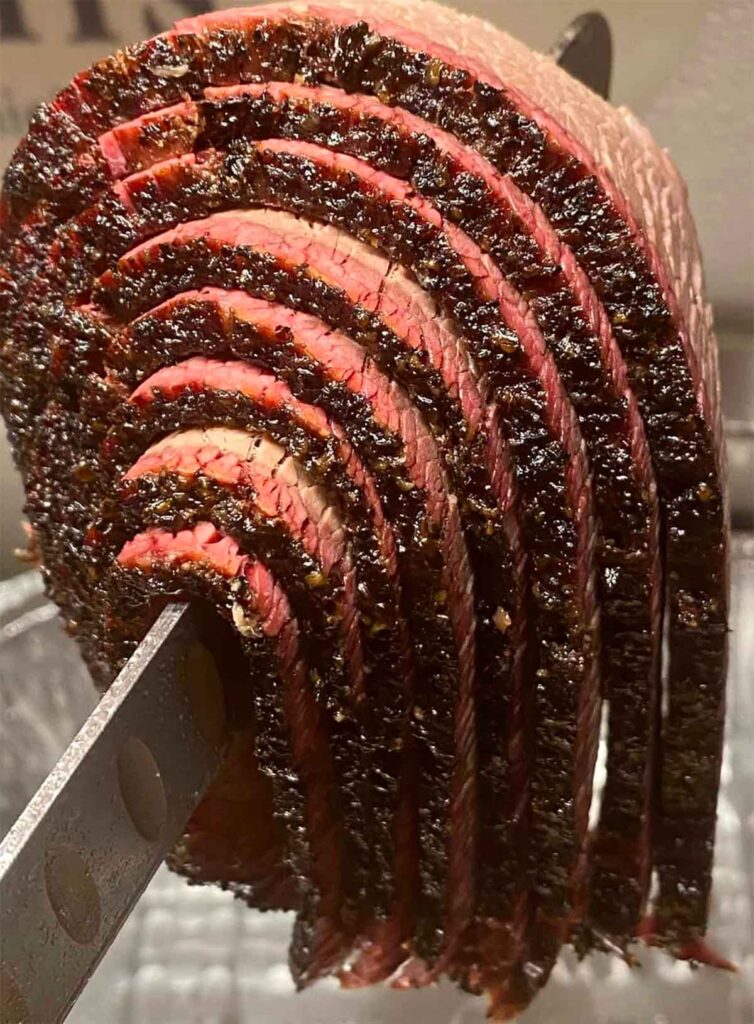
That pretty pink smoke ring is a separate process—gases from the fire (NO and a little CO) binding to myoglobin before the surface climbs past ~130°F. The ring looks good, but flavor still rides on clean combustion and steady heat.
Competition Context
Judges get one or two bites; anything harsh pops immediately. That’s why many teams use oak as a base: predictable color, balanced aroma, and a coal bed that keeps the cooker steady while you manage appearance, taste, and tenderness.
Oak gives your rubs, injections, and sauces room to be heard without shouting.
Cultural Notes
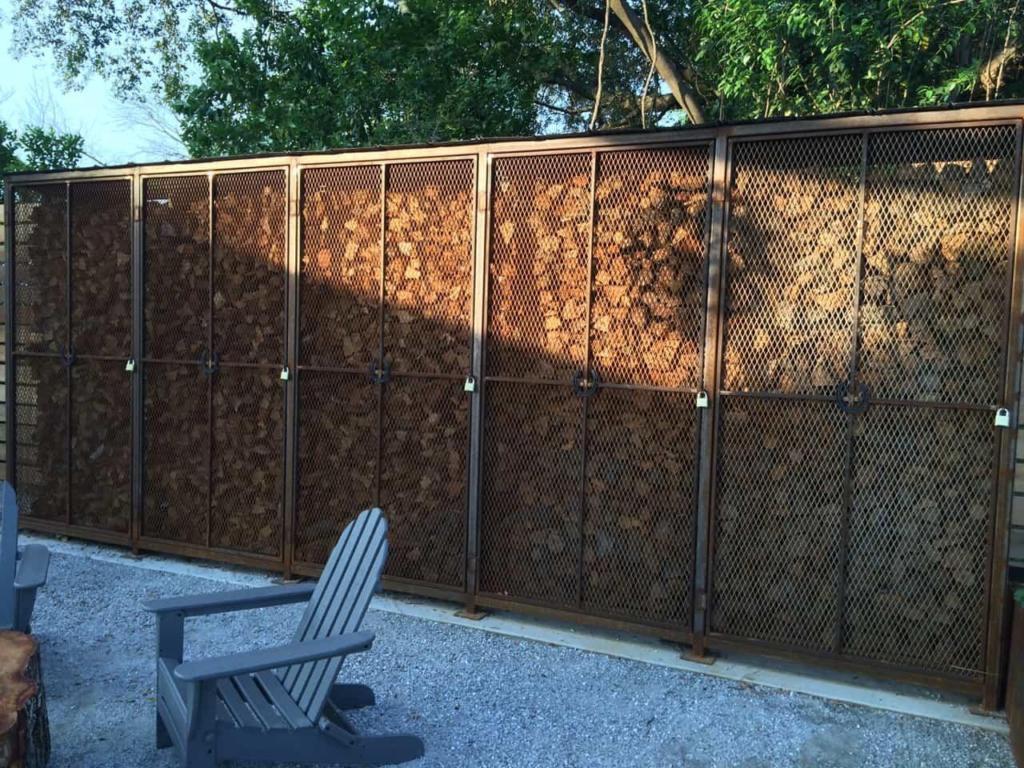
Walk past cords of post oak outside a Texas pitroom; watch a Santa Maria grate ride up and down over red-oak coals; stand by a Carolina cinder-block pit while someone slides a shovel of oak coals under a shoulder. The scenery changes, the lesson doesn’t: oak keeps the fire honest.
In South Carolina, those plates—mustard, vinegar-pepper, or somewhere between—often share one quiet ingredient: oak-fed heat.
Oak Species & Uses — Quick Compare
| Common name | Species (examples) | Group | Where it turns up | Pit notes |
|---|---|---|---|---|
| Post oak | Quercus stellata | White oak | Central Texas; Southern Plains | Benchmark Texas brisket fuel; steady heat, clean medium smoke. |
| White oak / Bur oak | Q. alba; Q. macrocarpa | White oak | Eastern U.S.; Upper Midwest & Plains | Dense, coal-rich; excellent base wood for beef and pork. |
| Southern live oak | Q. virginiana | White oak | Coastal South (incl. the Carolinas) | Very dense; seasons slowly; makes long-lived coals for hog/shoulder pits. |
| Coast live oak (“red oak”) | Q. agrifolia | Red oak | California Central Coast | Traditional Santa Maria fuel; hot coals, clean aroma for tri-tip. |
| Red oak (general) | Q. rubra; Q. falcata | Red oak | Eastern & Southern U.S. | Common firewood; solid all-purpose smoke when dry. |
| Water / Pin / Blackjack oak | Q. nigra; Q. palustris; Q. marilandica | Mostly red oak | South & Southeast; Mid-Atlantic | Often in local woodpiles; perfectly fine in the pit if well-seasoned. |
Oak Smoking FAQ
Yes—oak gives a medium, balanced smoke that suits brisket, beef ribs, pork shoulder/ribs, and turkey. It also works as a base wood you can soften with apple or cherry.
Post oak burns steady and clean (Texas brisket favorite). White oak is dense and coal-rich for long cooks; red/coast live oak is a touch bolder and great for Santa Maria–style grilling.
Oak has a medium-strong smoke that’s earthy and slightly sweet. It’s stronger than fruitwoods but not as bold as mesquite or hickory.
Absolutely. Start around 75% oak with 25% apple, cherry, or pecan to lighten the profile for poultry and pork.
Oak is incredibly versatile, but it truly shines with red meats. It is the gold standard for smoking brisket, particularly Texas-style post oak brisket. It also works beautifully with beef ribs, pork shoulder, and lamb. For poultry, a milder oak variety or a blend with a fruitwood can prevent the smoke from overpowering the chicken or turkey.
About the author
James Roller documents South Carolina barbecue for Destination BBQ and authored Going Whole Hog. He researches techniques, interviews pitmasters, creates tools, and curates reliable sources so home cooks can cook barbecue safely and confidently at home.
More about James.See something that needs a tweak? Send a correction.
« See All BBQ Terms