Pecan
Learn how pecan smoke compares to hickory, which meats it flatters, how to avoid bitter smoke, and when blending gives you a softer finish
What is Pecan Wood for BBQ?
Pecan is a hardwood from the hickory family valued in barbecue for its sweet, nutty smoke and steady burn. Native to the American South, it strikes a middle ground between the boldness of hickory and the subtle sweetness of fruitwoods. That balance makes pecan one of the most versatile smoking woods, equally at home with ribs, brisket, turkey, or even smoked nuts and cheeses.
Key Takeaways
- Balanced Smoke: Pecan produces a sweet, nutty flavor — stronger than fruitwoods but milder than hickory.
- Versatile Pairing: Works with pork, beef, poultry, game, nuts, and cheeses.
- Southern Roots: Native to North America, tied to both BBQ and Southern foodways like pecan pie.
- Competition-Friendly: Judges appreciate pecan’s moderate, balanced smoke; often used solo or blended with cherry or oak.
- Science-Backed Flavor: Pecan’s chemistry yields both bark and smoke ring when burned clean and hot.
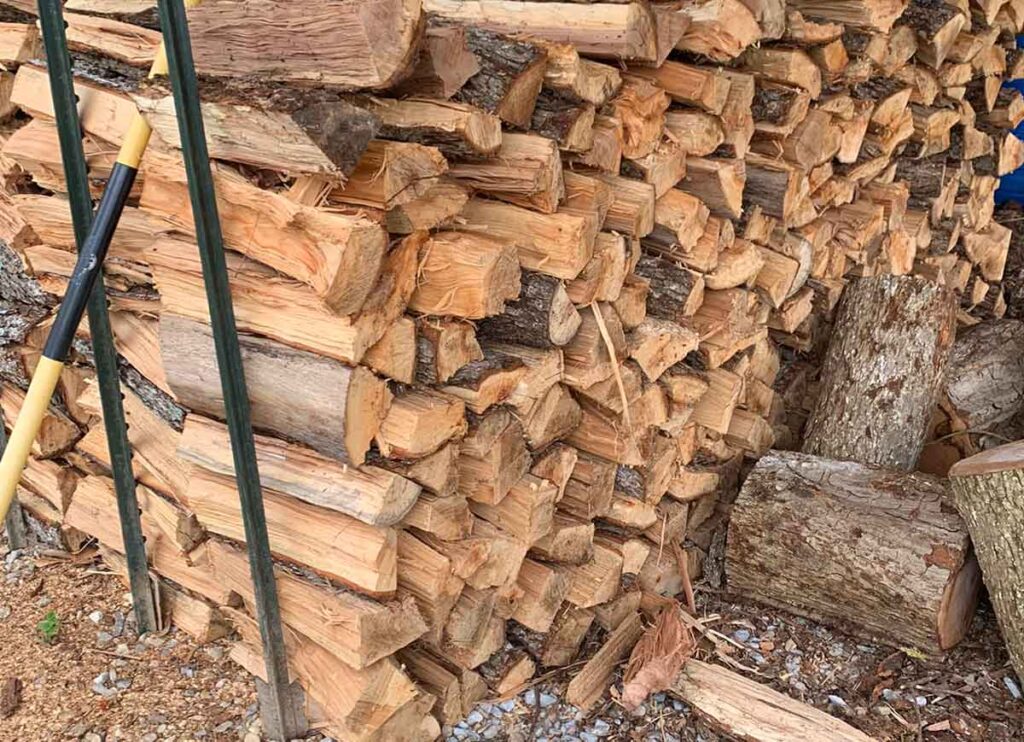
“Pecan wood offers a mild flavor and often burns cooler than other cooking woods…an all-around favorite.”
— B&B Charcoal
Understanding Pecan
Pecan Wood Characteristics
Pecan wood comes from the pecan tree (Carya illinoinensis), the only major nut tree native to North America and the official state tree of Texas. It belongs to the hickory genus, which explains why its smoke and burn qualities resemble hickory’s — but in gentler form.
“Pecan has slightly lower strength values than some of the other species of Hickory, but it is still among the hardest and strongest of woods native to the United States,” according to The Wood Database.
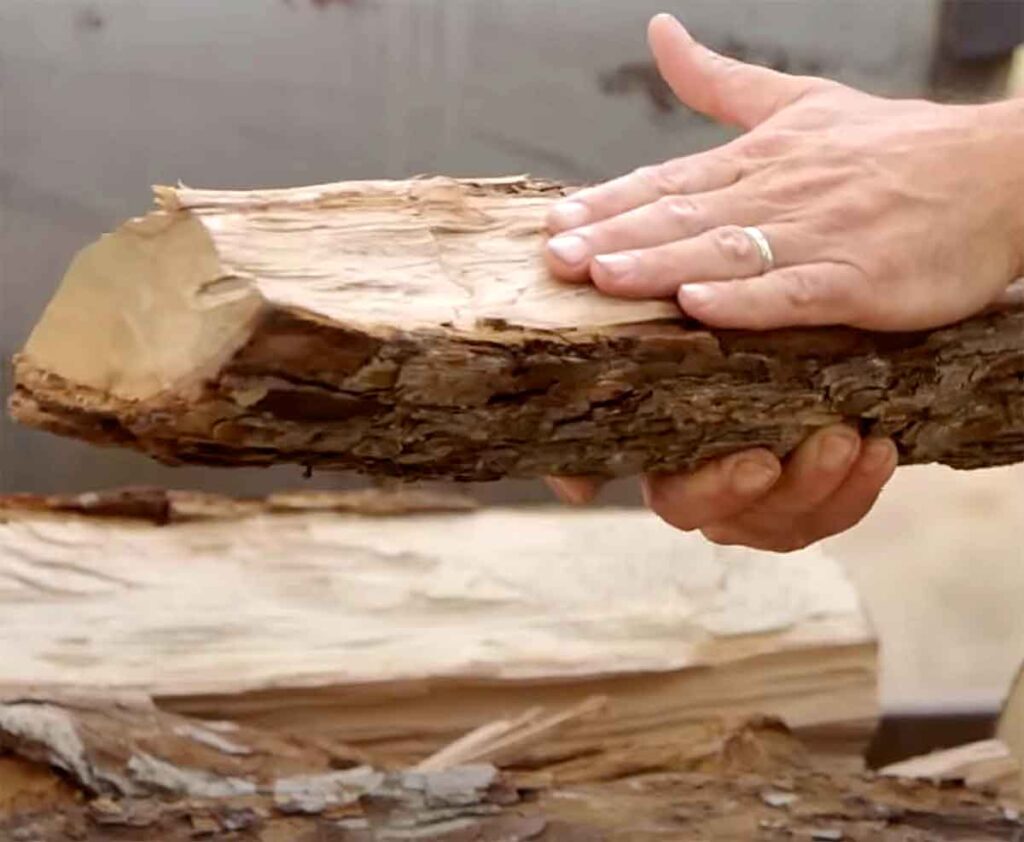
It’s a dense, tight-grained hardwood, typically weighing around 42 lbs/ft³ when seasoned. Reports on its heat output vary from 21 to 28 million BTUs per cord, depending on factors like soil, climate, and how well the wood is dried. That spread reminds us wood is a natural product — the same species can burn differently depending on its growing and seasoning conditions.
What’s consistent is that pecan produces reliable heat, long-lasting coals, and a manageable ash bed when burned properly.
Flavor Profile
Pecan smoke is medium in strength, with a signature sweetness and nuttiness that has earned it a loyal following. Many cooks describe it as “hickory without the bite” — strong enough to stand up to brisket but smooth enough for delicate poultry.
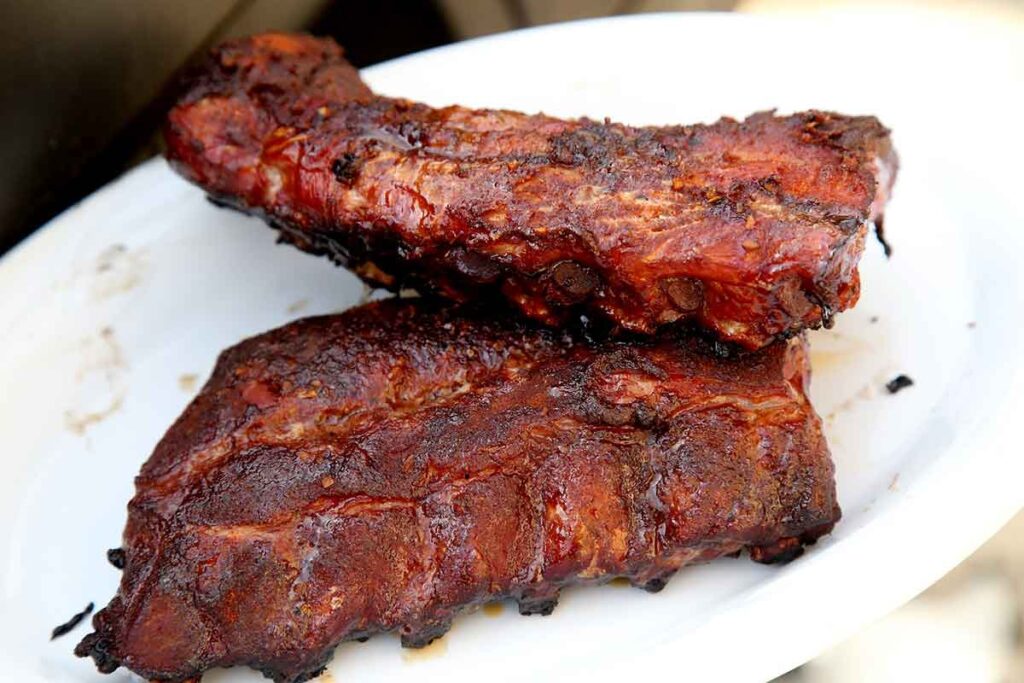
“Pecan’s kind of mild, little bit sweet,” Pitmaster Aaron Franklin notes in the PBS series BBQ with Franklin. “It’ll burn really hot, but it’s got a pretty distinctive flavor. I prefer to cut it with Oak. Nice wood.”
Compared to other woods, pecan sits squarely in the middle:
That makes it an ideal starter wood for beginners and a steady go-to for pros. The aroma is rich and toasty, and when the fire runs clean, pecan smoke is consistently described as “captivating” and crowd-pleasing.
“I always loved the pecan because it smelled so good.” — Trevor Sales, Brix Barbecue
History and Regional Use
The word pecan comes from the Algonquin term for a nut that requires a stone to crack, reflecting how deeply tied the tree is to North American foodways. Native tribes relied on pecans as a vital food, eating and trading them and even spreading the tree’s range along river valleys.
In barbecue, pecan wood naturally became a Southern staple.
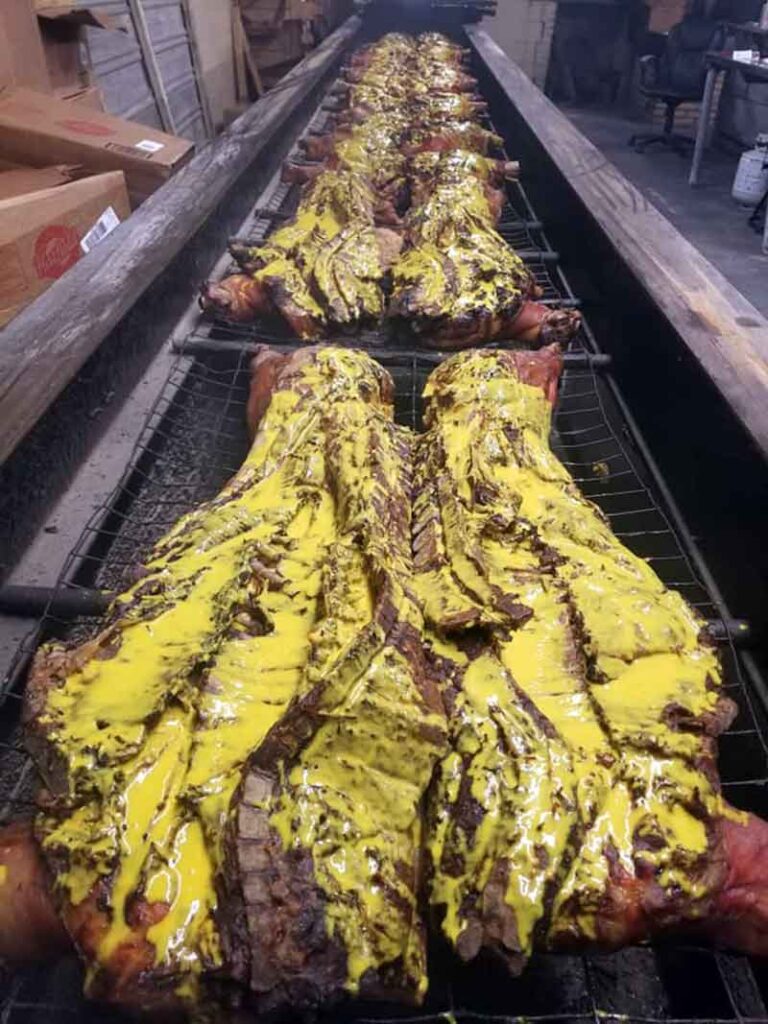
In the Carolinas and Georgia, pecan logs often join oak and hickory in whole-hog pits. Over in Texas, it’s abundant and often blended with post oak for brisket or used straight for ribs and sausage. Though post oak dominates in Central Texas barbecue culture, pecan’s agricultural heritage — from orchards to the Southern table — ensures its smoke is never far from the pit.
And beyond barbecue, pecan pie became one of the South’s signature desserts, reinforcing the tree’s place in Southern identity.
Best Meats for Pecan BBQ Smoking
Pecan is one of the most versatile woods in barbecue:
- Pork: Perfect for ribs, shoulders, pulled pork, or even ham. Adds depth without overpowering.
- Beef: Works well on brisket or roasts, especially when blended with oak for a stronger base.
- Poultry: Turkey and chicken shine under pecan smoke, picking up a gentle nutty sweetness.
- Other: Great for smoked nuts and cheeses; a light touch can complement salmon or shrimp.
(See our BBQ Wood Selector for more advice.)
Buying and Selecting Pecan Smoking Wood
Pecan is available as logs, splits, chunks, chips, or pellets. For offsets, go with seasoned splits; for kettles and kamados, fist-sized chunks are ideal. Pellets often blend pecan with oak for consistent burn.
The key is seasoning. Wood should be air-dried (or kiln-dried in a pinch) to under 20% moisture. Green pecan smokes bitter. Kiln-dried wood also eliminates mold and pests. Some cooks prefer bark-free chunks to avoid potential off-flavors, though seasoned bark usually burns fine.
Research from the Journal of Agricultural and Food Chemistry found that different hardwoods produce varying levels of compounds during smoking, with proper seasoning and controlled burning being key factors in producing clean smoke. The study emphasizes that wood moisture content and smoking temperatures both significantly affect the chemical composition of smoke, reinforcing why properly seasoned pecan wood (under 20% moisture) is essential for quality results.
How to Use Pecan Wood for BBQ
Pecan works as both a primary fuel and a flavor wood:
- Offsets: Add splits to a hot coal bed, alternating with oak if you need steadier heat.
- Kettles and Kamados: Nestle 2–3 chunks into the charcoal for a low-and-slow cook.
- Gas or Electric Smokers: Use chips in a smoker box or pellets in a tube.
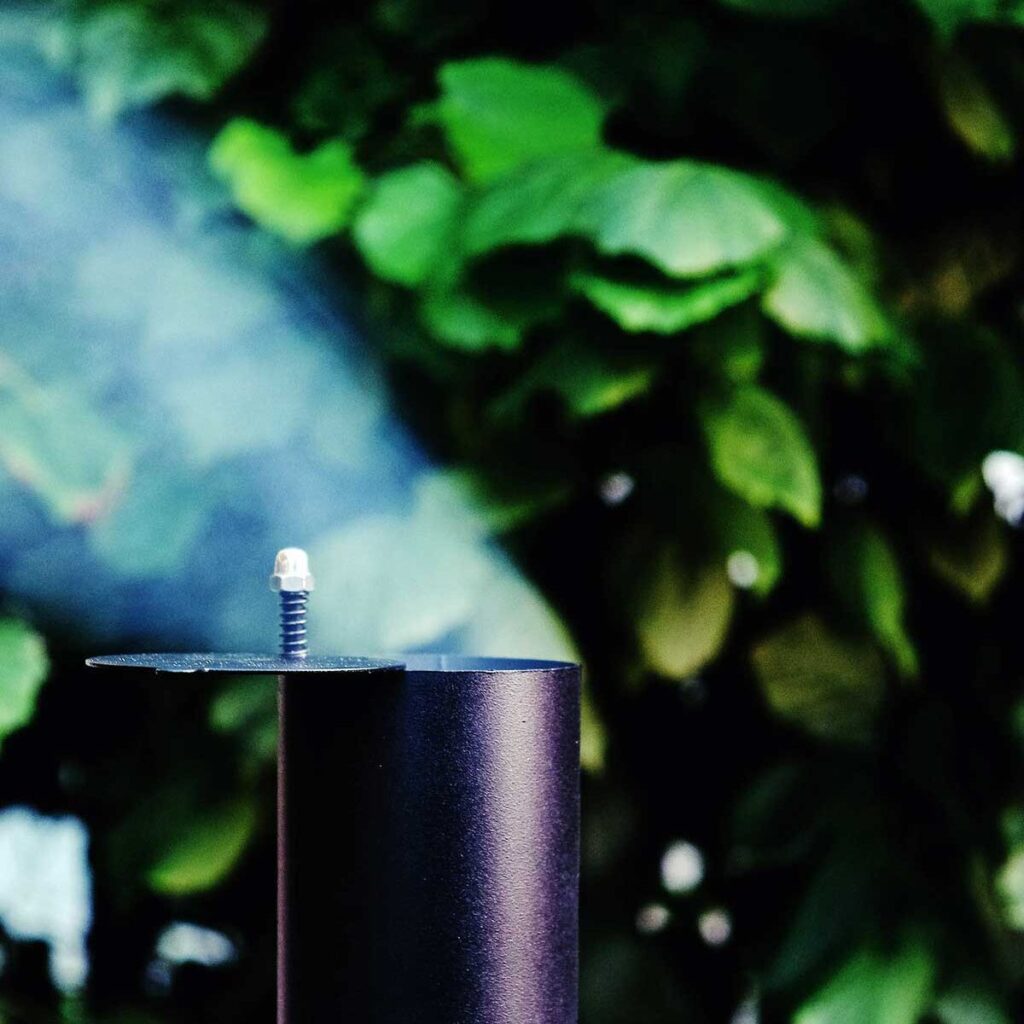
A common myth is that soaking wood chips improves smoke. In reality, soaked chips only steam until the water boils off, often lowering pit temps and producing acrid vapor. For the best results, keep your wood dry and focus on a clean, hot fire that yields thin blue smoke.
The Science Behind Pecan’s Sweet Smoke Flavor
When pecan wood burns, its lignin and cellulose break down in a process called pyrolysis, releasing phenols, acids, and carbonyls that give smoke its characteristic flavor. Pecan is especially rich in syringol, responsible for sweet, toasty aromas.
A clean-burning pecan fire contributes to both bark (the crust formed by the Maillard reaction of rub and smoke compounds) and the smoke ring (caused by nitrogen oxides in the smoke binding with meat pigments). Together, these are hallmarks of well-smoked barbecue — and pecan is a reliable wood for achieving both.
Competition Context
In competition, judges expect balance. Pecan is popular because it produces a distinct yet moderate smoke that enhances meat without overpowering it. Many teams burn pecan for chicken and ribs, while others blend it with fruitwoods like cherry for a sweet finish and darker color.
Some competitors even rely solely on pecan, confident it delivers consistent results across categories.
“I’ve always said hickory is the king, oak is the queen, but pecan is the choice of professionals,” Travis Mayes, pitmaster and owner of Meshack’s Bar-B-Que Shack, told the Dallas Observer. “It smells good when it’s cooking and gives me a milder smoke flavor with that pizzazz.”
Pecan in Southern BBQ Culture and Tradition
Pecan wood’s role in barbecue is part of a broader Southern heritage. Families have long saved orchard trimmings for the pit, and roadside stands still advertise “pecan-smoked BBQ.” Holiday turkeys in Texas and Louisiana are often smoked with pecan, making its aroma as much a part of Thanksgiving as pies or football.
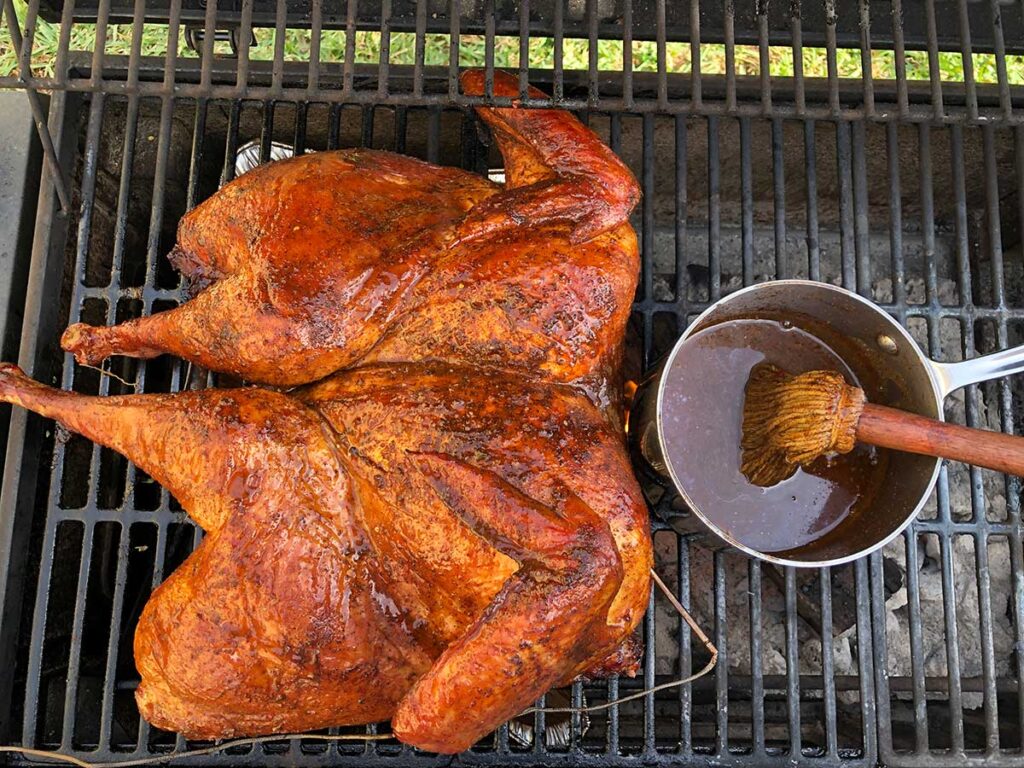
Beyond the pit, pecan symbolizes Southern abundance: shake the tree for nuts, and burn the wood for supper. Whether in whole-hog pits in the Carolinas, brisket smokers in Texas, or backyard kettles across Georgia, pecan has earned its place as one of barbecue’s most beloved woods.
Pecan vs. Hickory, Oak & Mesquite (Quick Compare)
- Milder than hickory; stronger than fruitwoods
- Pairs broadly (poultry to brisket) without harshness
- Blends well: oak for base heat; cherry for color/sweet
| Wood | Flavor Strength | Smoke Flavor Notes | Burn Character | Best Uses | Where It’s Iconic |
|---|---|---|---|---|---|
| Pecan | Medium–strong | Nutty, slightly sweet; hickory-like but milder | Burns hot & steady; good coals; moderate ash | Pork ribs & shoulder, turkey & chicken, balanced brisket | Deep South pits; popular on competition chicken/ribs |
| Hickory | Strong | Bacon-like, smoky-sweet, nutty; can turn bitter if heavy | Hot, slow-burning; excellent coals; low sparking | Pork shoulder & ribs, brisket; cheeses & nuts | Southern BBQ (Carolinas, Memphis, KY) |
| Oak (Post Oak) | Medium | Smooth, clean, balanced | Steady heat; long-burning; very user-friendly | Brisket, beef ribs, pork butt; all-purpose base wood | Central Texas brisket (post oak) |
| Mesquite | Very strong | Earthy, sharp; can turn bitter if overused | Extremely hot & fast; heavy smoke quickly | Quick grills (steaks); small amounts blended on long cooks | Southwest & West Texas; northern Mexico |
Frequently Asked Questions About Pecan Wood
Pecan is a type of hickory, but its smoke is milder and slightly sweeter. Hickory is stronger and can taste harsh if overused. Choose pecan wood for poultry, ribs, and balanced brisket; reach for hickory when you want a bolder, more assertive profile.
Use 2–3 fist-size chunks in a kettle or add pecan splits periodically on an offset. Start light—pecan’s sweet, nutty flavor builds—then add as needed. For long cooks, many pitmasters run oak for steady heat and add pecan for flavor.
Offsets prefer splits. Kettles and kamados do best with fist-size chunks placed near—but not on—coals for thin blue smoke. Use chips only if your grill requires a box/tube. Don’t soak; wet wood steams, dulling flavor.
Pecan works excellently as a standalone wood or blended with others. Many competition teams use 100% pecan for chicken and ribs. For brisket, try 70% oak with 30% pecan, or mix pecan with cherry for enhanced color and sweetness.
Bitter smoke typically results from wood that’s too green (over 20% moisture), burning too cool, or lacking airflow. Ensure your pecan is properly seasoned, maintain a hot coal bed, and keep both intake and exhaust dampers open for clean combustion producing thin blue smoke.
Yes. Pecan wood gives turkey sweet, nutty smoke without hickory’s bite and helps build mahogany skin. Use a light-to-moderate amount and run a clean fire for thin blue smoke. On a kettle, 1–3 fist-size chunks is plenty; offsets can burn pecan splits or an oak base with pecan for flavor.
Pecan is versatile and works with pork (ribs, shoulders), beef (brisket, roasts), poultry (turkey, chicken), and even seafood, nuts, and cheeses.
About the author
James Roller documents South Carolina barbecue for Destination BBQ and authored Going Whole Hog. He researches techniques, interviews pitmasters, creates tools, and curates reliable sources so home cooks can cook barbecue safely and confidently at home.
More about James.See something that needs a tweak? Send a correction.
« See All BBQ Terms