Fruitwoods
Learn how fruitwoods smoke, which meats they suit best, how apple, cherry, and peach compare, and when to blend them for balanced sweetness
What are Fruitwoods for BBQ?
Fruitwoods are mild-smoking hardwoods harvested from fruit-bearing trees like apple, cherry, peach, pear, and plum that produce sweet, clean smoke ideal for barbecue. These woods burn at moderate temperatures with minimal risk of bitterness, making them forgiving choices for beginners while remaining sophisticated enough for competition teams. Unlike bold woods such as hickory or mesquite, fruitwoods enhance natural meat flavors rather than overpowering them.
Key Takeaways
- Fruitwoods provide mild, sweet smoke that enhances rather than overpowers meat flavors, making them nearly impossible to over-smoke and ideal for beginners learning fire management and experienced pitmasters seeking consistent results.
- These woods excel with poultry, pork, and fish because their clean-burning nature complements delicate proteins without the harsh, bitter notes that can develop from stronger woods like hickory or mesquite during long cooking sessions.
- Cherry and apple have become competition barbecue staples due to their ability to create the mahogany bark color judges expect while delivering universally appealing smoke that won’t alienate diverse palates in blind tastings.
- Unlike regional woods tied to specific barbecue traditions, fruitwoods serve as excellent blending components and universal choices that work nationwide, often comprising 25-50% of wood combinations for balanced flavor profiles.
“Fruit woods tend to impart a sweetness, but this may just be the power of suggestion because we know fruit to be sweet.”
Meathead Goldwyn, publisher of AmazingRibs
Understanding Fruitwoods
Fruitwood Types and Characteristics
Fruitwoods encompass several species within the Rosaceae family, primarily apple (Malus domestica), cherry (Prunus serotina and P. avium), peach (Prunus persica), pear (Pyrus communis), and plum (Prunus domestica). These deciduous hardwoods share common traits that distinguish them from other smoking wood categories.
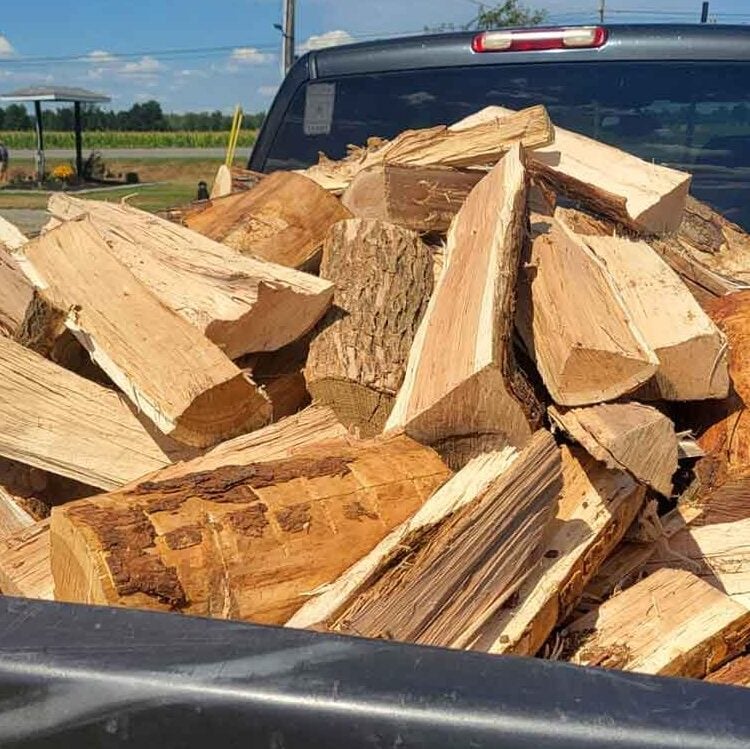
Most fruitwoods have moderate density—denser than pine but lighter than oak or hickory—which creates predictable burn characteristics. They typically season within 6-12 months when properly split and stacked, reaching optimal moisture content below 20%. This relatively quick seasoning time makes them accessible to home pitmasters who plan ahead.
The woods share similar BTU outputs, ranging from 18-24 million BTUs per cord depending on species and moisture content. This moderate heat production provides steady temperatures without the intense heat of mesquite or the long, slow burn of oak.
Primary Fruitwoods in Barbecue
While the fruitwood category technically includes many varieties, American barbecue practice centers around a smaller group of woods that offer the best combination of availability, performance, and flavor. Apple and cherry dominate the market and appear in most competition and backyard setups, while regional favorites like peach hold special significance in areas with established orchards.
The remaining fruitwoods (and others) serve more specialized roles or limited geographic areas, but each contributes unique characteristics worth understanding.
Apple Wood
Apple is the workhorse of fruitwoods in barbecue. Its smoke is mild, sweet, and lightly fruity, making it especially good with pork and poultry. Apple wood burns hot but not as long as denser hardwoods, so it’s often paired with oak or hickory for longer cooks. Many pitmasters appreciate apple for how forgiving it is — it rarely produces harsh flavors even if a bit too much is added.
Cherry Wood
Cherry is nearly as popular as apple and is beloved for one unique trait: color. Its smoke is mild and slightly sweet, but it also imparts a deep mahogany-red hue to meats, especially ribs and chicken skin. In competitions, cherry is often blended with oak or hickory to strike a balance between color, sweetness, and stronger smoke. Judges appreciate that cherry delivers complexity without overwhelming the palate.
Peach Wood
Peach is a Southern favorite, especially in Georgia and South Carolina where peach orchards are plentiful. Its smoke is softer and fruitier than apple or cherry, with a mellow sweetness that pairs beautifully with pork and poultry. While it’s not as widely available outside the South, peach has a loyal following in regional barbecue traditions and is prized for its gentle smoke.
Pear Wood
Pear wood offers a flavor profile similar to apple but lighter, with a subtle fruitiness that works well with chicken and fish. It’s less common in commercial barbecue supply stores but is often used by backyard cooks who have pear trees on their property. Like other fruitwoods, it burns fairly hot and clean but requires a base of denser wood for extended smoking sessions.
Plum Wood
Plum provides a richer, slightly tangier smoke than pear or peach. The flavor is still on the mild side but has a faint tartness that can add an interesting layer to pork and game. Though not as widely available, pitmasters who use it often blend it with oak for longer burns and to temper its sharper edges.
Apricot Wood
Apricot produces a light, floral sweetness, reminiscent of peach but a touch more delicate. It pairs nicely with lighter proteins such as chicken, turkey, or fish. Apricot is not as common in barbecue as apple or cherry, but where it’s available (particularly in orchard regions of the West), cooks value it for its subtle smoke and clean burn.
Apple vs. Cherry vs. Peach – Quick Compare
Here’s how the three most popular fruitwoods compare:
| Wood | Flavor Strength | Smoke Flavor Notes | Color Effect | Burn Character | Best Meats | Typical Blends |
|---|---|---|---|---|---|---|
| Apple | Mild | Clean, gently sweet; subtle fruit | Light bronze/golden bark | Steady burn, moderate heat, low ash | Pork shoulder, ribs, poultry, ham | 70% apple + 30% oak |
| Cherry | Mild–medium | Sweet-tart, berry-like; rounds out savory rubs | Mahogany/red hue on bark & poultry skin | Steady burn; slightly hotter than apple | Ribs, chicken, turkey, pork loin, duck | 50% cherry + 50% oak (or hickory) |
| Peach | Mild–medium | Sweet, floral, stone-fruit aroma | Warm amber/golden finish | Clean, steady burn; similar to apple | Pulled pork, ribs, chicken; delicate cuts | 60% peach + 40% hickory (or 70/30 peach-oak) |
Fruitwood Flavor Profiles: Sweet Smoke for BBQ
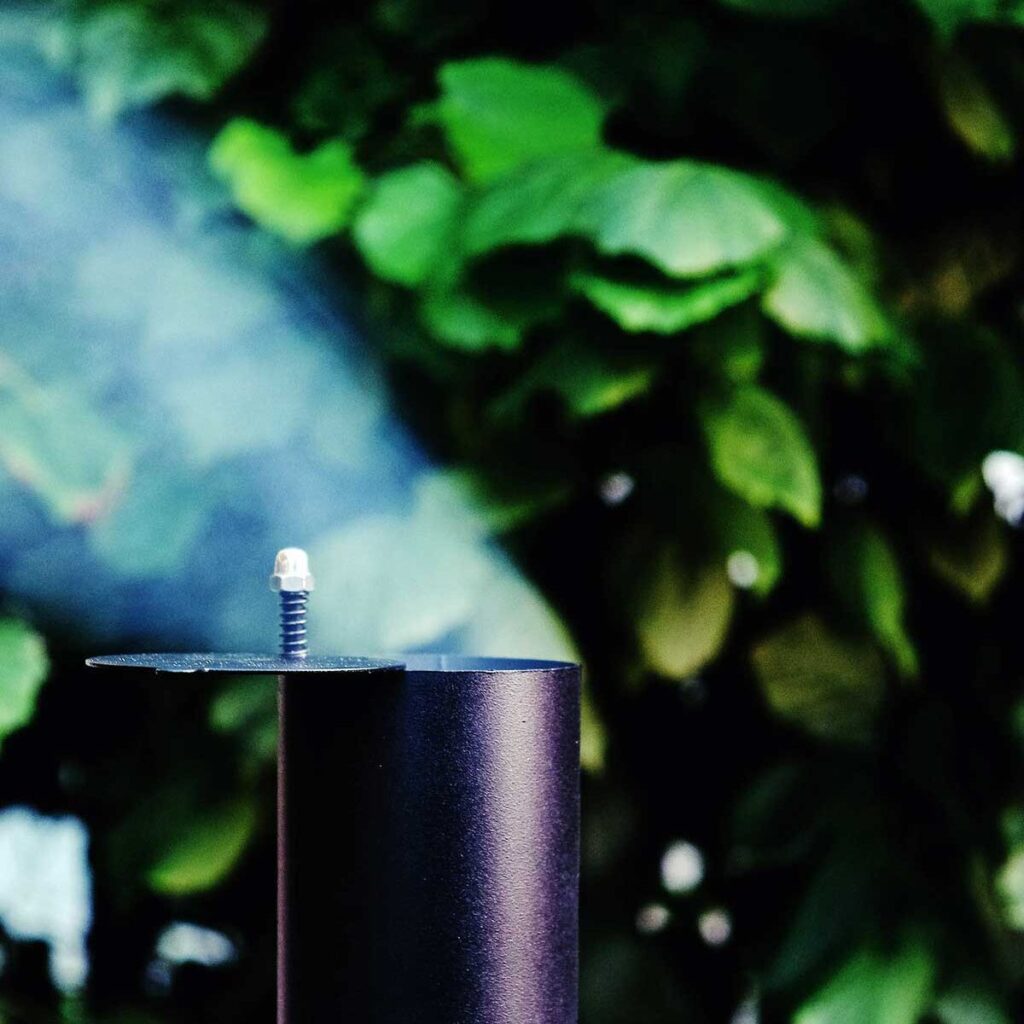
The defining characteristic of fruitwoods lies in their clean-burning nature and natural sweetness. This perceived sweetness doesn’t come from literal sugar content but rather from the absence of harsh, bitter compounds that develop during incomplete combustion.
When fruitwoods burn at proper temperatures (225-275°F), pyrolysis breaks down cellulose, hemicellulose, and lignin into desirable flavor compounds. The relatively low lignin content compared to hardwoods like oak explains their milder smoke character, producing compounds like guaiacol (smoky) and syringol (sweet) without overwhelming concentrations.
“As far as wood goes, I love to cook with cherry and apple,” notes 7x world champion pitmaster Melissa Cookston in an interview with Bon Appétit (2013). “Predominantly, apple. In the restaurant, we choose pecan. Pecan hits Joe Q. Public’s flavor profile of what smoke should taste like. Hickory is the most predominant wood used in barbecue. I’m not a big believer in it. I will augment a little here and there if I’m in a specific region. Hickory will overpower chicken and pork.”
The clean smoke profile makes fruitwoods almost foolproof for beginners while staying sophisticated enough for competition teams. Sweet compounds layer flavor onto meat instead of masking it, working perfectly with complex rubs and sauces.
This is what famed pitmaster Myron Mixon, a big fan of peach wood, discovered as he developed his own techniques:
“I found that when you used fruitwood, it was a lot milder,” he told Fox News. “It didn’t overpower the meat. You still had a great smoke flavor, but the meat was able to come through on its own. And that’s what real barbecuing is about. You want to taste the meat, whether it’s pork, poultry or beef. And fruit woods don’t mask that meat flavor.”
Fruitwood History: From Orchards to Competition BBQ
Unlike hickory in the Carolinas or post oak in Central Texas, fruitwoods don’t belong to specific barbecue regions historically. Early American settlers used orchard wood out of necessity—apple from New England homesteads, cherry from Great Lakes forests, peach from Southern orchards. Indigenous peoples incorporated wild varieties like crabapple and wild cherry into traditional smoking practices centuries before European settlement.
Modern fruitwood popularity developed through competition barbecue and backyard experimentation rather than regional tradition. Competition teams discovered that fruitwoods provided the clean smoke and attractive color judges favored without the risk of over-smoking that stronger woods presented. This discovery spread fruitwoods beyond their agricultural origins into mainstream barbecue culture.
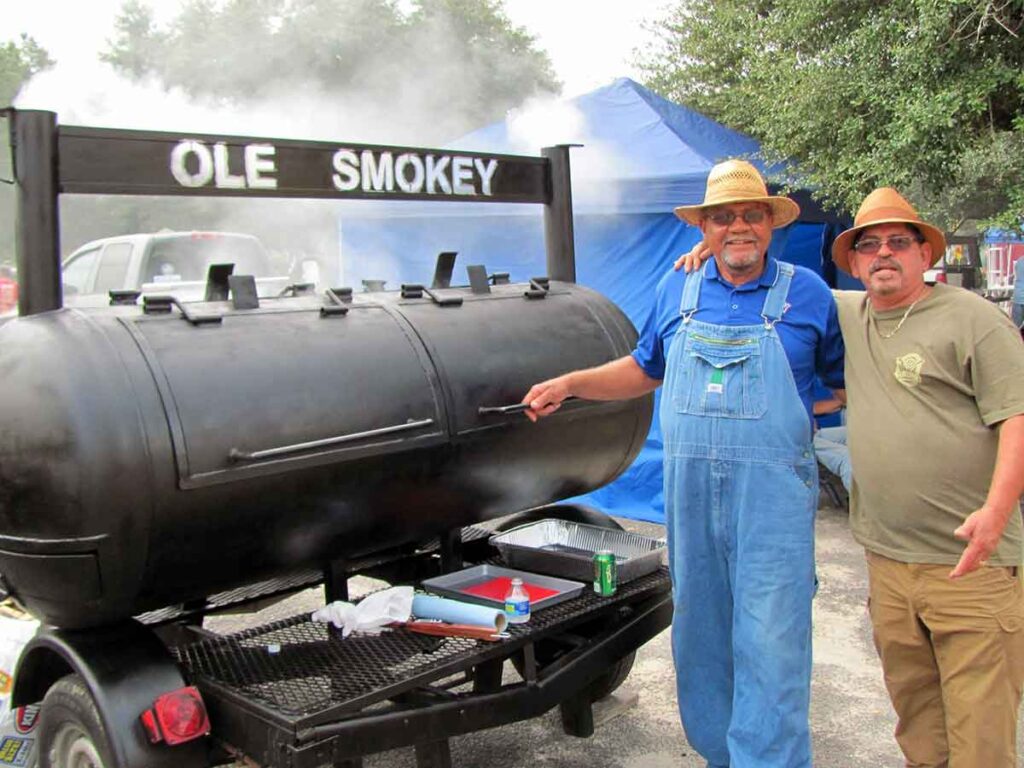
Today, fruitwoods represent a nationwide phenomenon rather than regional specialty. Carolina pitmasters blend cherry with hickory for color enhancement, Kansas City teams use apple-oak combinations for balanced profiles, and Texas cooks incorporate fruitwoods as accent woods alongside traditional oak.
Best Meats for Fruitwood Smoking
“A fruit wood such as apple or cherry is typically the best choice for the backyard cook—you won’t run as much of a risk of overpowering the meat or making it bitter,” writes Clint Cantwell of Grillocracy.
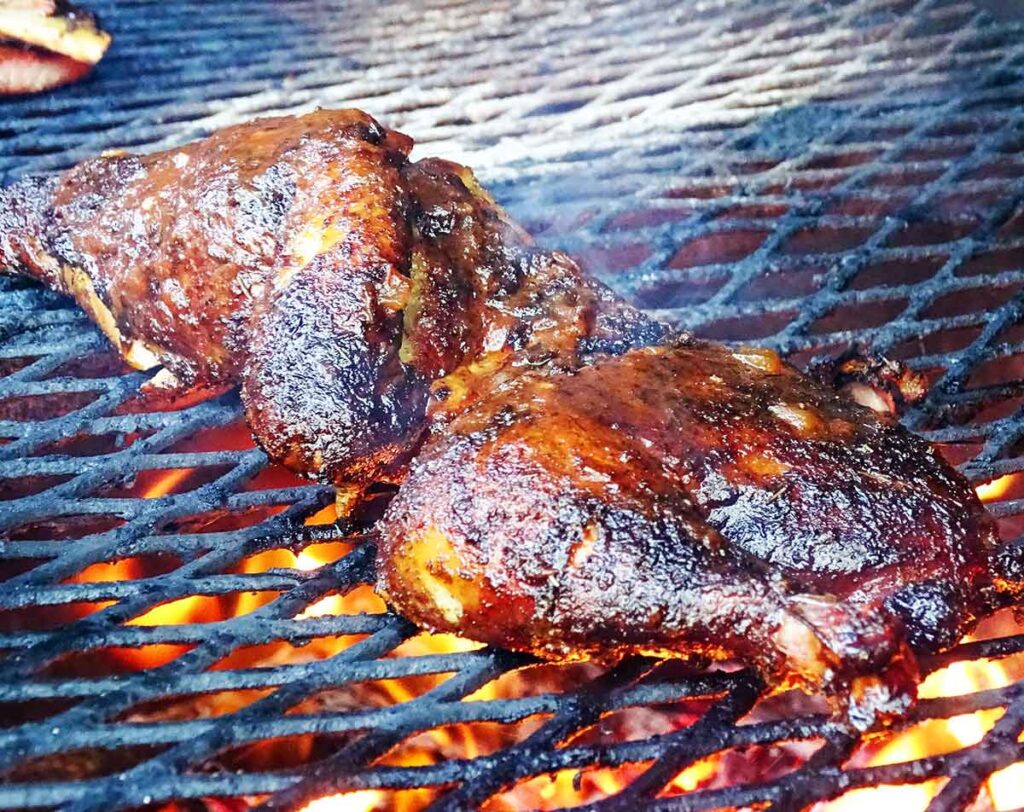
Truth is, fruitwoods excel with proteins that benefit from gentle enhancement rather than bold smoke flavor. Poultry stands as the ideal pairing—chicken and turkey develop beautiful mahogany color while retaining delicate flavors that stronger woods might mask. The smoke penetrates quickly without creating bitter notes even during extended cooking.
Pork represents another natural match. Ribs gain subtle fruit complexity while maintaining the meat’s natural sweetness.
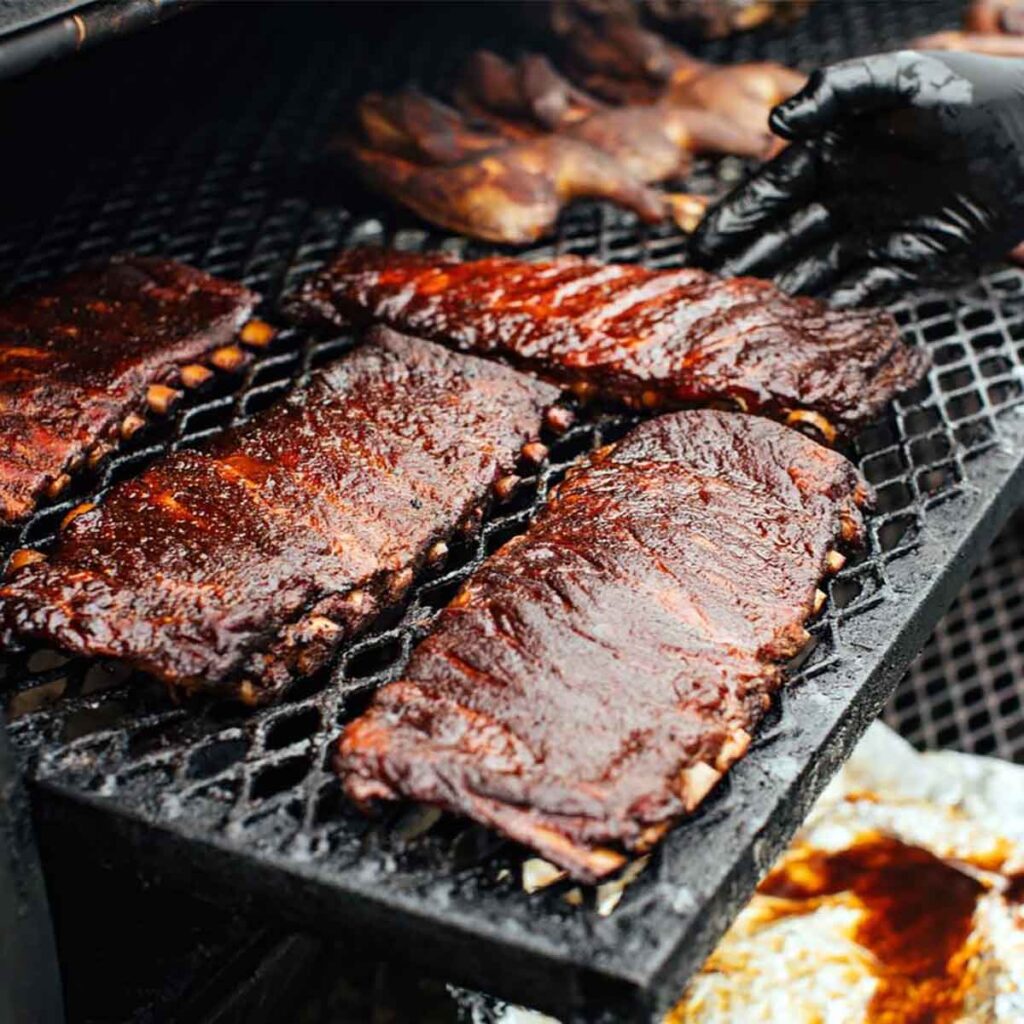
Pork shoulder absorbs fruitwood smoke beautifully, creating layers of flavor that complement rather than compete with rubs and sauces. The forgiving nature means less risk of over-smoking during long cooks.
Fish and seafood showcase fruitwood’s delicate touch perfectly. Salmon, trout, and shellfish benefit from the clean smoke that enhances without masking natural flavors. Many competition teams use fruitwoods exclusively for seafood categories.
Even beef benefits from fruitwood applications, though typically in blending roles. Brisket cooks often incorporate cherry or apple with oak for color and complexity. The clean smoke helps develop the coveted smoke ring while adding subtle sweetness that balances bold rubs.
Find the perfect wood for smoking your favorite proteins with our comprehensive BBQ Wood Selector.
How to Buy and Select Quality Fruitwood
Quality fruitwood selection requires attention to moisture content, cleanliness, and source. Properly seasoned wood should show moisture below 20%—seasoned pieces sound hollow when struck and display checking (cracks) in the end grain. Bark should appear gray to brown with no signs of mold, rot, or chemical treatment.
“It’s important to burn only wood with moisture content below 20%,” writes Cornell Cooperative Extension. “Burning wood with higher moisture content creates more smoke, which contains harmful chemicals and particulates and forms creosote on your chimney. It also gives you less heat, because it takes energy to boil off the excess water. That means wasted money.”
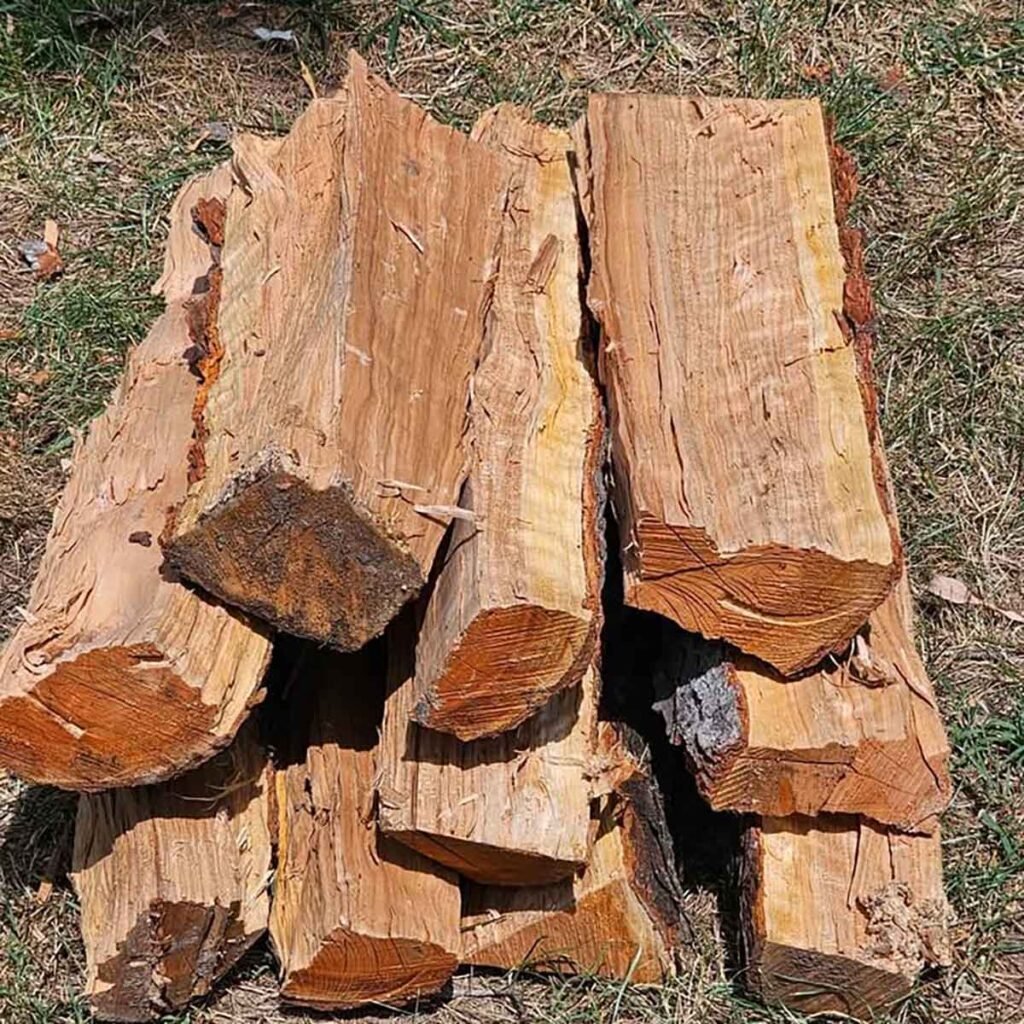
Fruitwood comes in multiple forms to suit different equipment. Logs and splits work best for offset smokers and large pits. Chunks around 3-4 inches suit charcoal grills and kamado cookers perfectly, providing 45-60 minutes of steady smoke per piece. Chips offer convenience for gas and electric smokers but burn quickly, requiring frequent replacement every 15-20 minutes.
Pellet versions provide consistent moisture and convenient handling. However, many “cherry” or “apple” pellets actually contain oak bases with fruitwood flavoring. These blends still deliver recognizable fruitwood character while burning more consistently than pure varieties.
Kiln-dried options cost more but provide immediate usability with guaranteed moisture levels. Naturally seasoned wood often offers more complex flavors but requires advance planning and proper storage.
Fruitwood Smoking Techniques and Wood Blending Tips
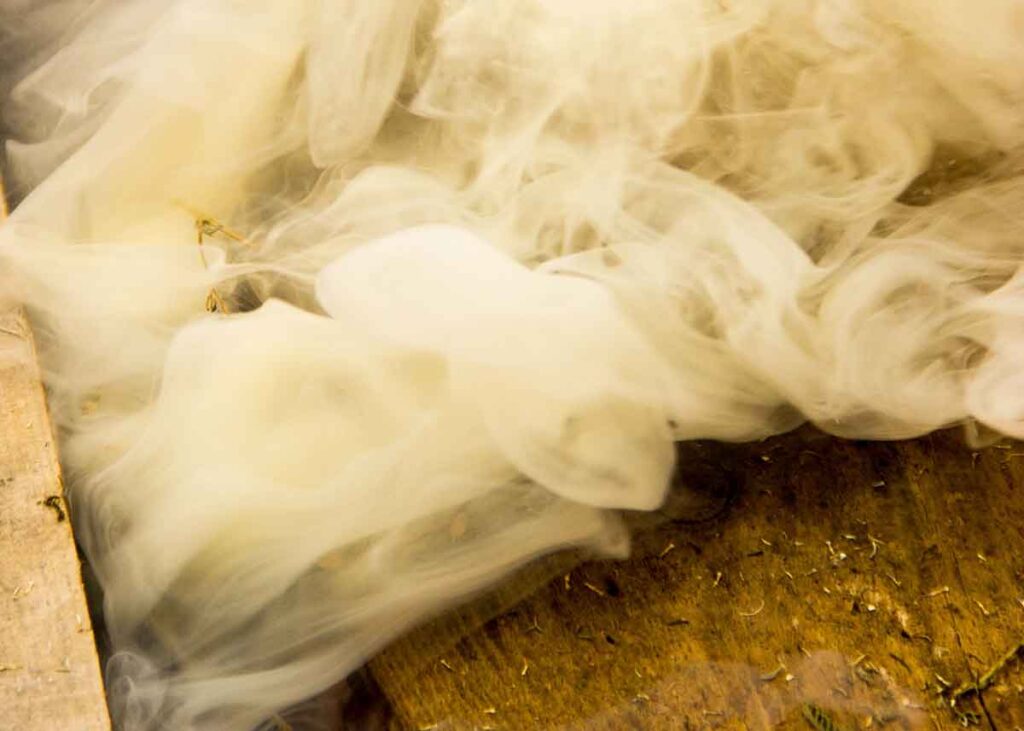
Fruitwoods work in any smoker when burned cleanly. For offset smokers, establish a hot charcoal base before adding fruitwood splits gradually. Maintain good airflow to prevent smoldering that creates bitter white smoke. Target thin blue smoke for optimal flavor development.
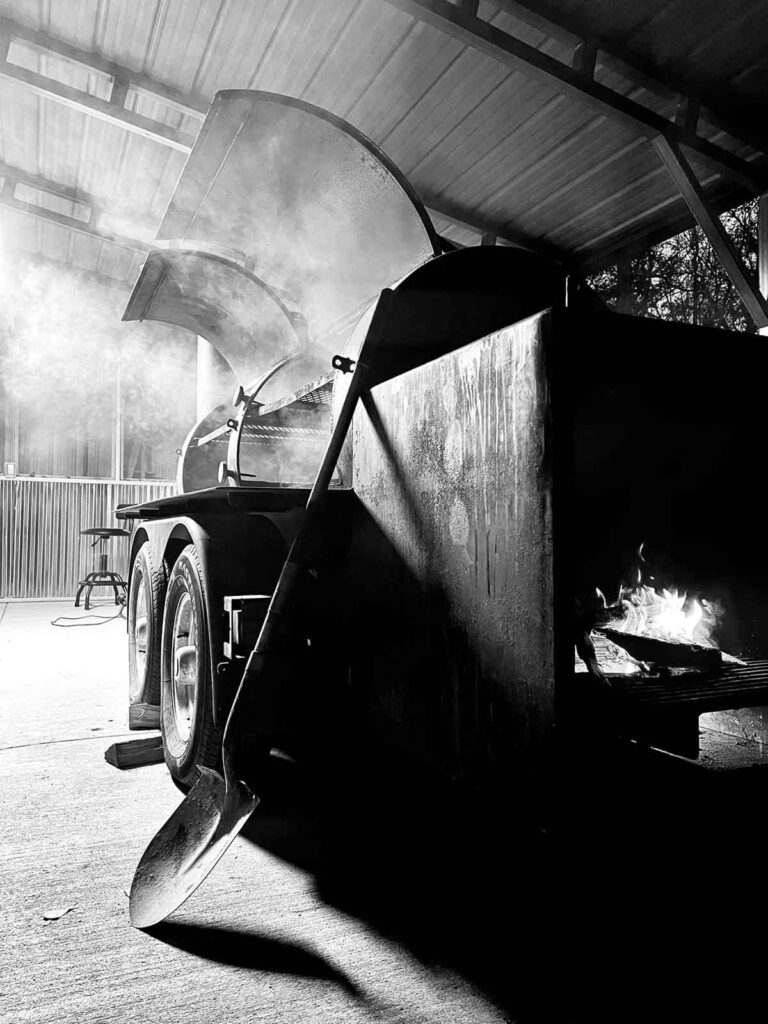
Kettle and kamado users can employ the snake method with fruitwood chunks placed every few inches along the charcoal chain. This provides steady smoke throughout the entire cook without temperature spikes.
Gas and electric smokers work well with chips in foil packets or smoker tubes. Skip soaking—wet wood produces steam, not smoke, and delays proper combustion. Dry wood ignites faster and burns cleaner.
Meathead wrote about this in his article “Myth: Soak Your Wood First.” In experiments, he proved soaking doesn’t really work and that it is actually counter productive to good smoking practices because adding wet wood cools your coals until the water steams away.
“One more reason not to soak: Not all smoke is the same,” he writes. “The best tasting smoke is practically invisible, thin, and pale blue. Blue smoke is better than white, gray, or black, by far. Blue smoke needs dry wood and a hot fire, lots of oxygen and flame. Some people complain that their chips catch on fire when they throw them on the coals. To prevent this they make a smoke packet by wrapping the wood in foil and poking holes in the foil. Don’t bother. Let the wood burn! That’s how you get blue smoke!”
Blending fruitwoods with stronger varieties creates complex profiles while maintaining clean character. Classic combinations include 70% apple with 30% oak for extended burns, cherry-hickory blends for pork ribs, and peach-pecan mixes for competition chicken. The mild nature of fruitwoods means they can comprise 25-50% of blends without overwhelming other flavors.
The Science Behind Fruitwood Smoke and Flavor
Fruitwood combustion follows the same scientific principles as other hardwoods but with different compound concentrations. Clean burning at 300-500°F breaks down wood components through pyrolysis, creating the flavor compounds that define smoke character.
The lower lignin content in fruitwoods produces fewer phenolic compounds than denser woods, explaining their milder character. Natural sugars and moderate cellulose levels contribute to clean combustion when proper airflow is maintained.
“Burning wood breaks down molecules called lignans, and these turn into smaller organic molecules—including syringol and guaiacol—that are mainly responsible for the quintessential smoky flavor,” explains Dr. Kristine Nolin, Chemistry Chair for the University of Richmond. “When smoke comes in contact with food, the components of the smoke can get absorbed. Food is particularly good at taking on smoky flavors because it contains both fats and water.”
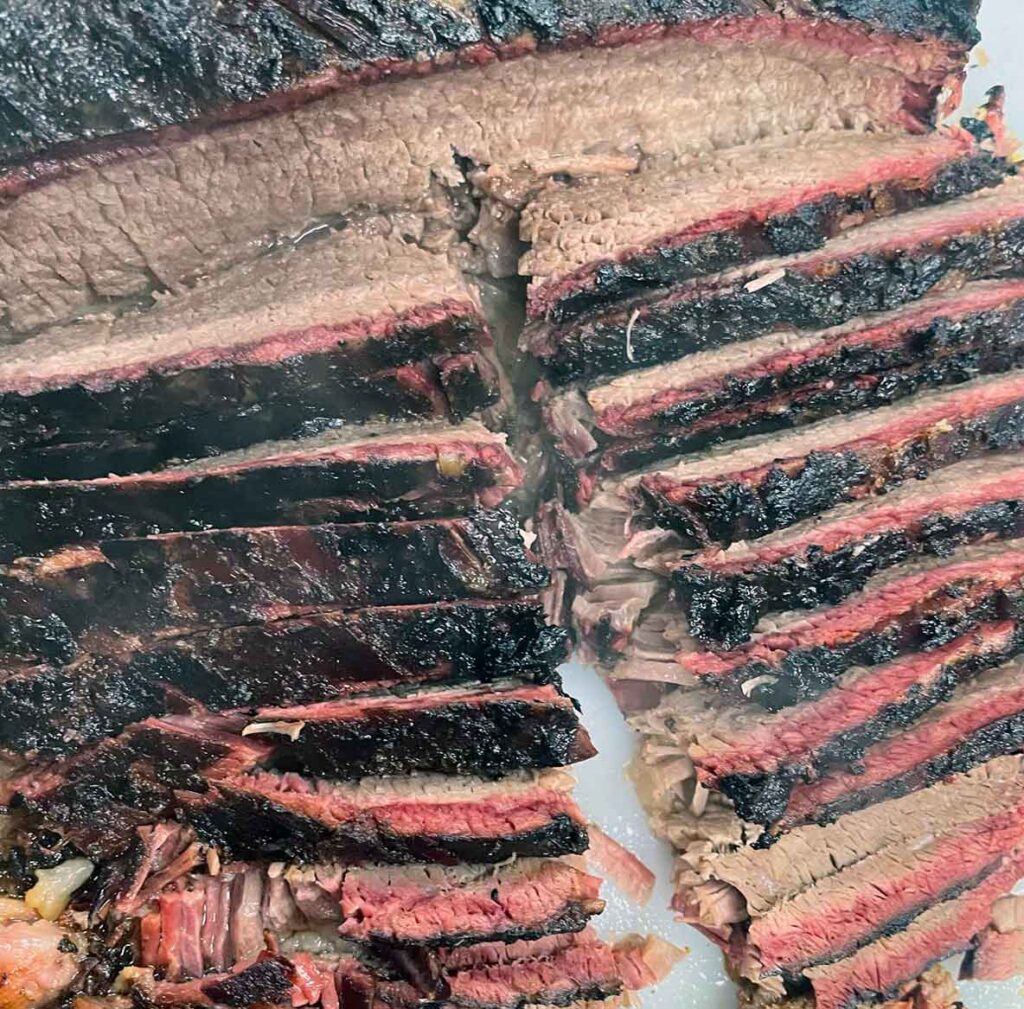
Fruitwoods contribute to smoke ring formation through the same nitrogen chemistry as other woods. Air nitrogen forms nitric oxide (NO) and nitrogen dioxide (NO₂) during combustion, which dissolves into meat and binds with myoglobin to create the pink coloration. Cherry wood particularly excels at visual enhancement due to compounds that react with meat proteins to build rich, dark bark.
According to the University of Tennessee extension service, properly seasoned firewood should contain less than 20% moisture for optimal combustion. “The most important property of good firewood is moisture content. Firewood should be fully seasoned before being burned. There is no danger in over-seasoning wood—drier is better.”
Fruitwood in Competition BBQ and Restaurants
Competition barbecue has embraced fruitwoods for their predictable results and judge appeal. Teams use apple and cherry extensively for appearance categories where color scores matter alongside flavor. The clean smoke profile appeals to diverse judge palates without risking the bitter notes that eliminate entries.
Many championship teams employ fruitwood progression strategies—starting with stronger base woods and finishing with fruitwoods for final flavor touches. This technique provides heat and intensity early while ensuring clean, appealing final profiles.
“Cherry creates the deepest, darkest smoke rings. Many competition BBQ cooks use [it] for all 4 meats (chicken, ribs, pulled pork and brisket). If you are not sure what wood to use, get cherry,” notes BBQ supplier BBQ Island.
Professional restaurant operations appreciate fruitwoods’ forgiving nature and broad appeal. The consistency reduces training requirements while satisfying diverse customer preferences. Many “cherrywood-smoked” menu items capitalize on fruitwoods’ reputation for refined smoking.
Modern Fruitwood Uses: Beyond Traditional Smoking
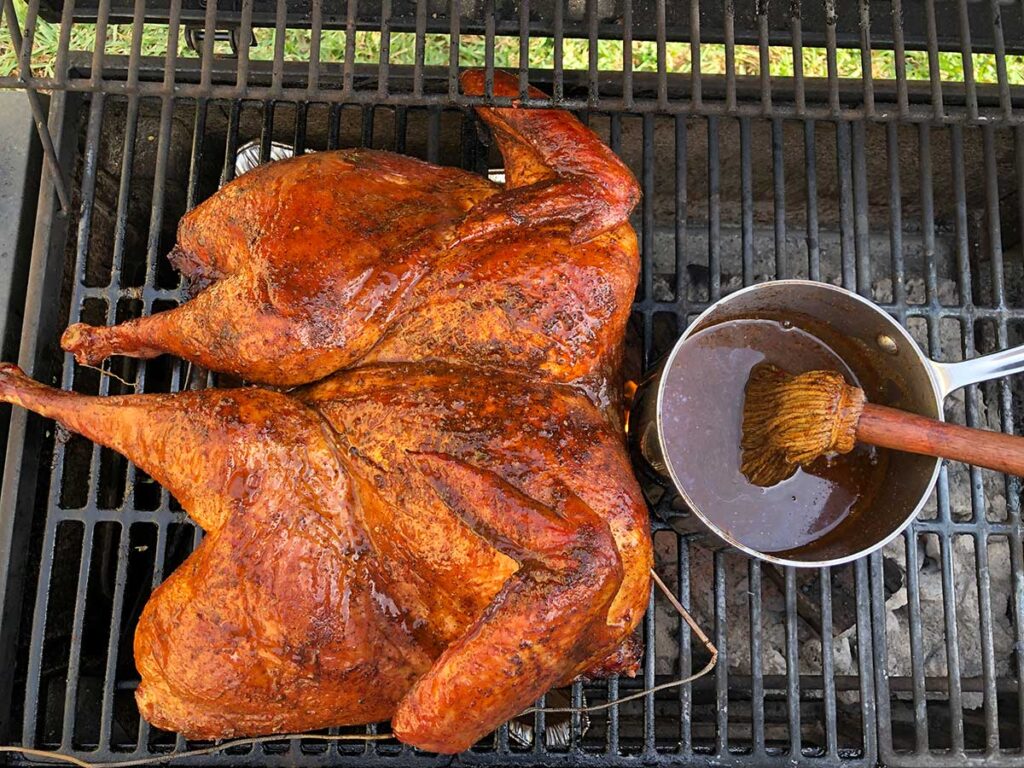
Fruitwoods have transcended traditional barbecue to become quality markers in modern cooking. The clean smoke works excellently for holiday applications—Thanksgiving turkeys and Christmas hams benefit from the mild character and attractive coloring.
Cold smoking applications showcase fruitwood versatility perfectly. Cheese, nuts, and vegetables absorb the gentle smoke without harsh edges. Many artisanal producers use fruitwoods for charcuterie and specialty items where subtle enhancement matters more than bold flavor.
The sustainable aspect appeals to environmentally conscious cooks. Many fruitwoods come from orchard pruning that would otherwise be discarded, creating connections between agricultural waste and barbecue excellence.
Common Fruitwood Problems and Solutions
Fruitwood problems typically stem from moisture issues or improper fire management. Wood that won’t produce smoke often indicates moisture content that’s either too high or too low. Proper seasoning to 15-20% moisture provides optimal results.
Bitter or harsh flavors usually result from poor combustion rather than wood quality. Thick white smoke indicates incomplete burning—adjust airflow and use smaller pieces to establish proper fire before adding larger chunks.
Insufficient flavor often means adding wood too late in the cook. Meat absorbs smoke primarily in the first 3-4 hours before bark formation creates a barrier. Early smoke application maximizes fruitwood impact.
Fruitwoods vs. Other Woods
| Wood | Flavor Strength | Smoke Flavor Notes | Burn Character | Best Uses | Where It’s Iconic |
|---|---|---|---|---|---|
| Fruitwoods | Mild to Moderate | Sweet, clean, fruity; apple honey-like, cherry wine-like | Moderate heat, steady burn, minimal sparking | Poultry, pork, fish; excellent for blending | Competition BBQ, nationwide appeal |
| Hickory | Strong | Bold, bacon-like, can become bitter | Hot burning, long-lasting coals | Pork shoulder, ribs, traditional Southern BBQ | Carolinas, Tennessee, Memphis |
| Oak | Moderate | Clean, neutral, slightly nutty | Long burn time, consistent heat output | All meats, excellent base for blending | Central Texas, California |
| Mesquite | Very Strong | Intense, earthy, spicy, aggressive | Burns hot and fast, dense coals | Beef, short cooks, grilling over coals | South Texas, Southwest regions |
Fruitwood Smoking FAQ
Apple wood is the best fruitwood for beginners because it provides the most forgiving smoking experience with consistent, mild results. It’s widely available, burns cleanly, and produces sweet smoke that’s almost impossible to overdo. Cherry comes in second for beginners due to its visual appeal and moderate flavor intensity.
Most commercial fruitwood pellets are blends, typically 60-80% oak with fruitwood for flavor and color. Pure 100% fruitwood pellets are available but less common and more expensive. Both types work well—blends offer more consistent burning while pure varieties provide stronger fruit character.
Wild cherry (black cherry) typically provides more intense smoke flavor than orchard cherry varieties. Wild cherry trees aren’t treated with pesticides and often have denser wood, while orchard cherry may be milder due to cultivation practices. Both work excellently for smoking when properly seasoned.
Fruitwoods shine with lighter proteins. Pork, ribs, chicken, turkey, and fish all absorb their mild, fruity smoke beautifully. For long cooks like pork shoulder, many pitmasters mix fruitwoods with stronger woods such as oak or hickory to balance flavor and maintain steady heat.
Yes, but fruitwoods work best for brisket when blended with stronger woods like oak or hickory. Use a 70/30 or 80/20 ratio of oak to fruitwood for proper heat output and flavor balance. Pure fruitwood lacks the intensity needed for long brisket cooks but adds excellent color and subtle sweetness to the bark.
About the author
James Roller documents South Carolina barbecue for Destination BBQ and authored Going Whole Hog. He researches techniques, interviews pitmasters, creates tools, and curates reliable sources so home cooks can cook barbecue safely and confidently at home.
More about James.See something that needs a tweak? Send a correction.
« See All BBQ Terms