Cherry
Cherry wood adds mild, sweet smoke and rich color, with tips on best pairings, when to blend, and how much to use for balance
What is Cherry Wood for BBQ?
Cherry is a fruitwood known in barbecue for its mild, sweet smoke and the beautiful mahogany color it imparts to meat. It burns at a moderate heat, producing a clean, steady smoke that enhances flavors without overpowering them. Pitmasters often pair cherry with oak or hickory to balance sweetness with depth, but it shines on its own with pork and poultry.
Key Takeaways
- Cherry produces mild, sweet, fruity smoke and gives barbecue a signature mahogany color.
- Best for pork and poultry, but also blends well with oak or hickory for beef.
- Its forgiving nature makes it a favorite for beginners, pros, and competition cooks alike.
- Not tied to one region, cherry has become a universal choice in modern barbecue.
- Flavor: Apple is lighter/sweeter; cherry is a touch bolder and more complex.
- Best for: Apple → poultry, chops, delicate seafood. Cherry → ribs, pork shoulder, chicken, turkey.
- Color: Apple = golden; cherry = deeper mahogany bark.
- Easy mix: 50/50 for balance; or ~60% cherry / 40% apple for more color without harshness.
“Cherry gives you that beautiful mahogany color that makes your meat look like a million bucks, and the flavor is just kissing the meat—never slapping it around.”
~Myron Mixon, Smokin’ with Myron Mixon
Understanding Cherry
Cherry Wood Characteristics
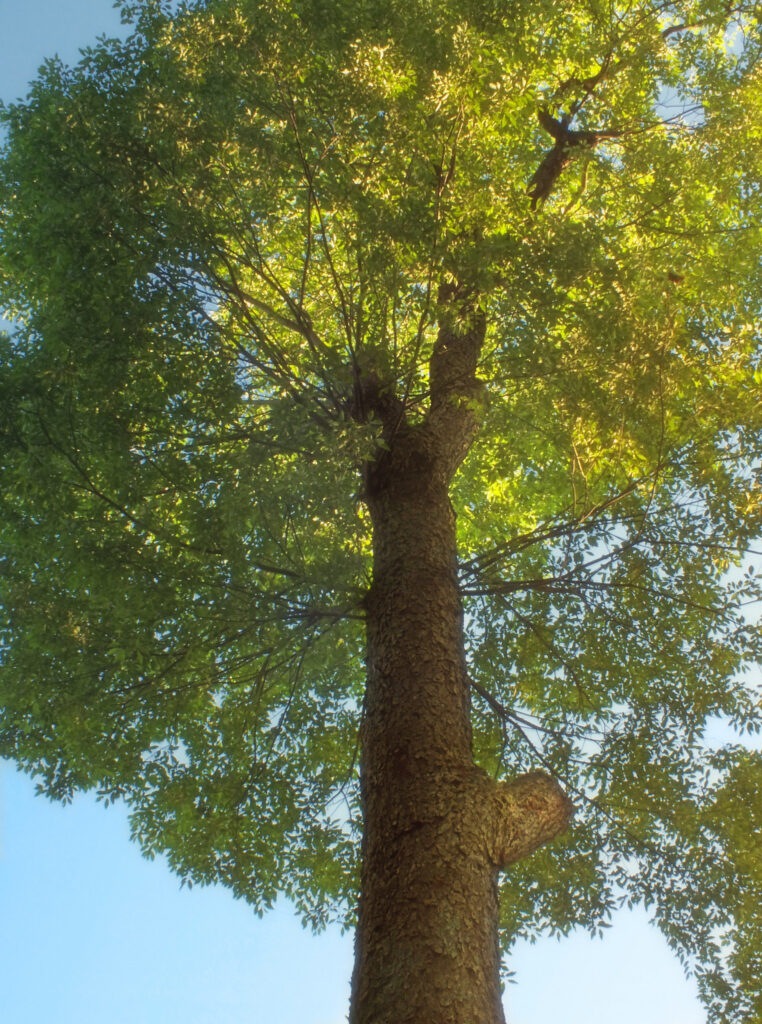
“Sidelight” (CC BY 2.0) by Nicholas_T
Most cherry wood comes from black cherry trees (Prunus serotina), which grow wild across eastern North America. These trees reach 50-80 feet tall and have reddish-brown heartwood—the same color they’ll give your meat.
Cherry weighs less than oak or hickory but more than most fruitwoods. This makes it light easily and burn hot at first, though it doesn’t make coals that last as long as denser woods. Properly seasoned cherry should be under 20% moisture and takes 6-12 months to dry when split and stacked.
In fact, the University of Tennessee actually researched the topic of moisture content in seasoned firewood and reported that “the most important property of good firewood is moisture content. Firewood should be fully seasoned (to below 20 percent moisture content) before being burned. Because it can be difficult to ensure that purchased fire- wood is properly seasoned, the best approach is to buy and stack firewood well before it is needed. There is no danger in over-seasoning wood – drier is better.”
The wood’s natural sugars and moderate lignin content help it burn cleanly, producing that thin blue smoke pitmasters love.
Flavor Profile of Cherry
Cherry sits right between ultra-light woods like alder and strong ones like hickory. Its smoke tastes sweet and fruity with hints of vanilla, never harsh or bitter when burned properly.
“As far as wood goes, I love to cook with cherry and apple,” said 7x world champion pitmaster Melissa Cookston in an interview with Bon Appétit (2013). “Predominantly, apple. In the restaurant, we choose pecan. Pecan hits Joe Q. Public’s flavor profile of what smoke should taste like. Hickory is the most predominant wood used in barbecue. I’m not a big believer in it. I will augment a little here and there if I’m in a specific region. Hickory will overpower chicken and pork. Beef will tolerate it a little better, but your delicate meats will get that hickory burn. We prefer the lighter woods.”
This gentle profile makes cherry almost foolproof for beginners while staying sophisticated enough for competition teams. The sweet compounds layer flavor onto meat instead of masking it, which works perfectly with complex rubs and sauces.
Cherry’s biggest claim to fame is the gorgeous mahogany color it creates. The smoke contains compounds that react with meat proteins to build that rich, dark bark that screams quality barbecue.
History and Regional Use
Unlike hickory in Carolina or post oak in Texas, cherry doesn’t belong to any specific barbecue region. It became popular through competition cooking and backyard smoking as people started experimenting beyond their local wood options.
Early settlers and Native Americans probably used cherry when they found it, especially in Pennsylvania and Ohio where smokehouses used orchard wood for hams and sausages. But it wasn’t anyone’s go-to wood until modern times.
Competition cooks discovered cherry could boost appearance scores while keeping flavor balanced. Now it shows up everywhere as a supporting player—Carolina pitmasters add cherry to hickory fires, Kansas City cooks blend it into their wood mixes.
Best Meats to Smoke with Cherry
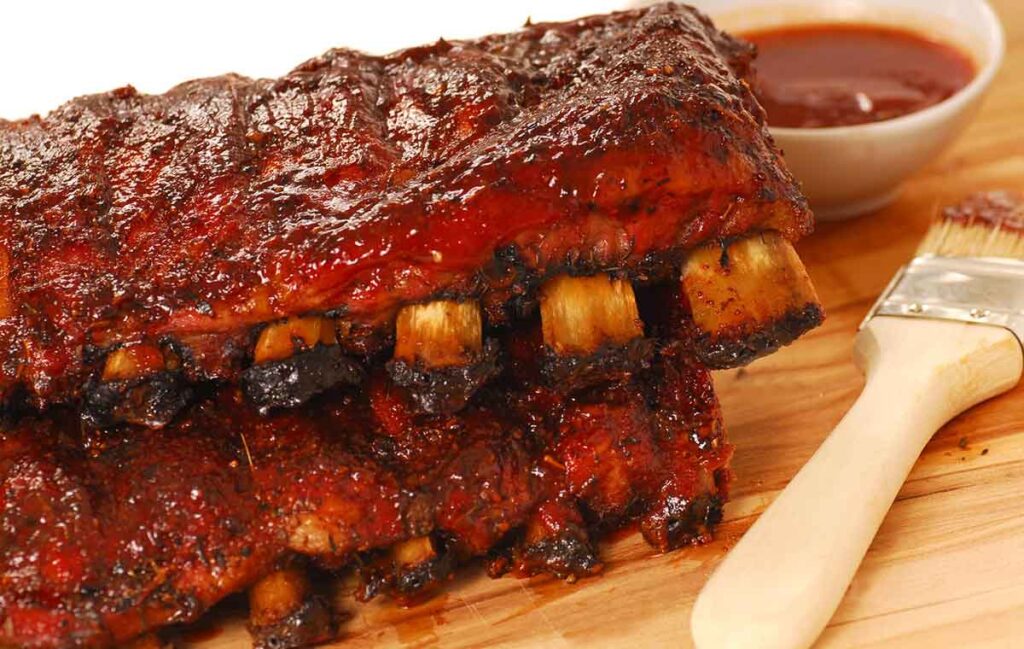
Cherry shines brightest with pork and poultry. Pork ribs get gorgeous red bark without losing their delicate flavor, while pulled pork gains subtle fruit notes that work with any sauce style.
Cherry is the secret weapon for chicken—it gives that perfect color every time without overpowering the bird. That appearance boost is just as valuable as flavor: ribs smoked with cherry take on a deep mahogany finish, while chicken skin bronzes beautifully under its smoke.
Chicken and turkey love cherry because they absorb smoke fast and can turn bitter with stronger woods. Cherry creates that burnished skin color competition judges look for while adding just enough smoke complexity.
For beef, cherry works best mixed with oak or hickory. It adds color and sweet notes to brisket cooks without providing enough backbone on its own. Cherry also works great with fish and seafood where stronger woods would be too much.
The wood even works for cold smoking cheese, nuts, and vegetables. Check our BBQ wood selector for specific protein recommendations, from beef ribs to tofu.
Buying and Selecting Cherry Wood (Logs, Splits, Chunks, Chips, Pellets)
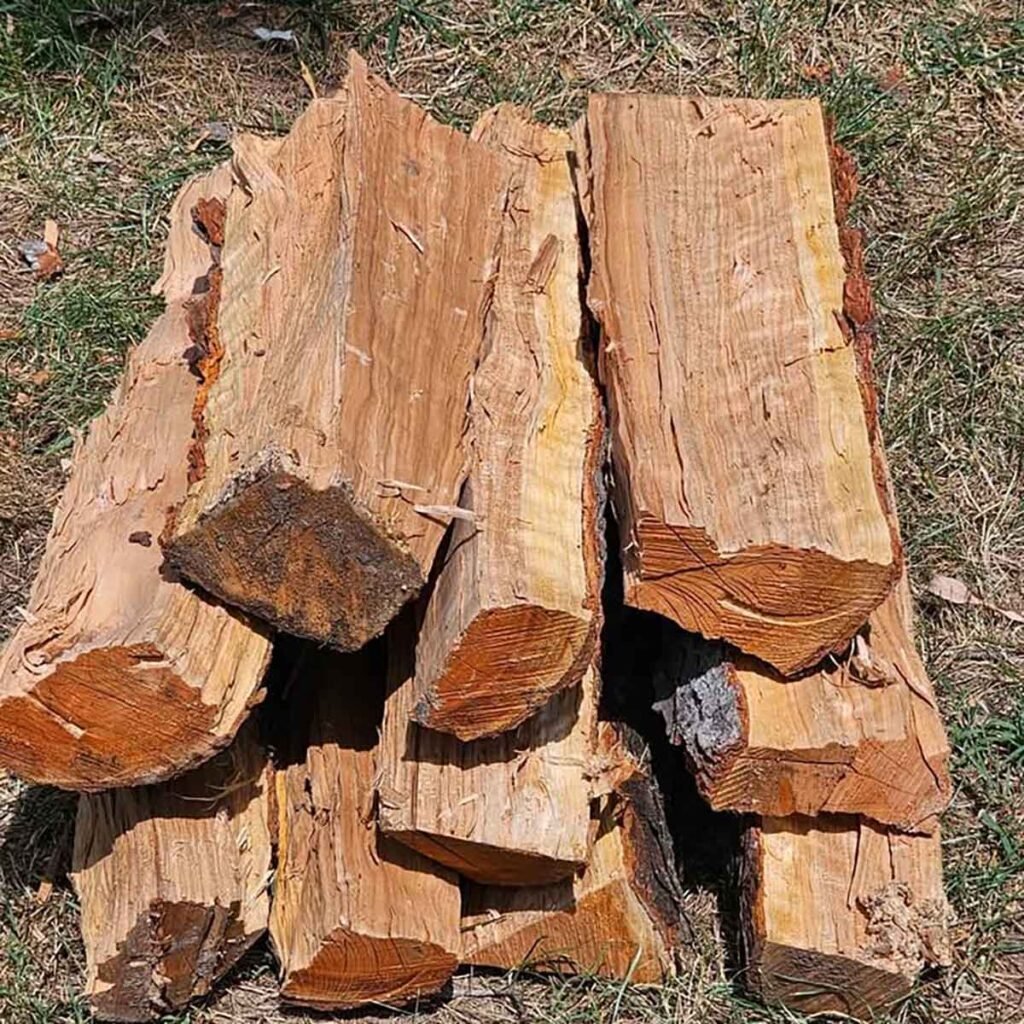
Good cherry wood has tight bark, no mold, and no chemical smells. Seasoned wood feels lighter than green wood and sounds hollow when you knock pieces together. Always check that moisture is below 20%.
You can buy cherry as logs (big smokers), splits (medium pits), chunks (kettle grills), chips (gas units), or pellets (pellet smokers). Chunks around 3-4 inches work best for most home setups.
Kiln-dried cherry costs more but gives consistent moisture right away, though most experienced pitmasters favor naturally dried options. Many “cherry” pellets are actually mostly oak with cherry flavoring, which still works great and burns more consistently.
Preparation and Use
Cherry works in any smoker if you burn it clean. In offset smokers, start with hot charcoal before adding cherry splits. Keep good airflow to prevent smoldering that creates bitter smoke.
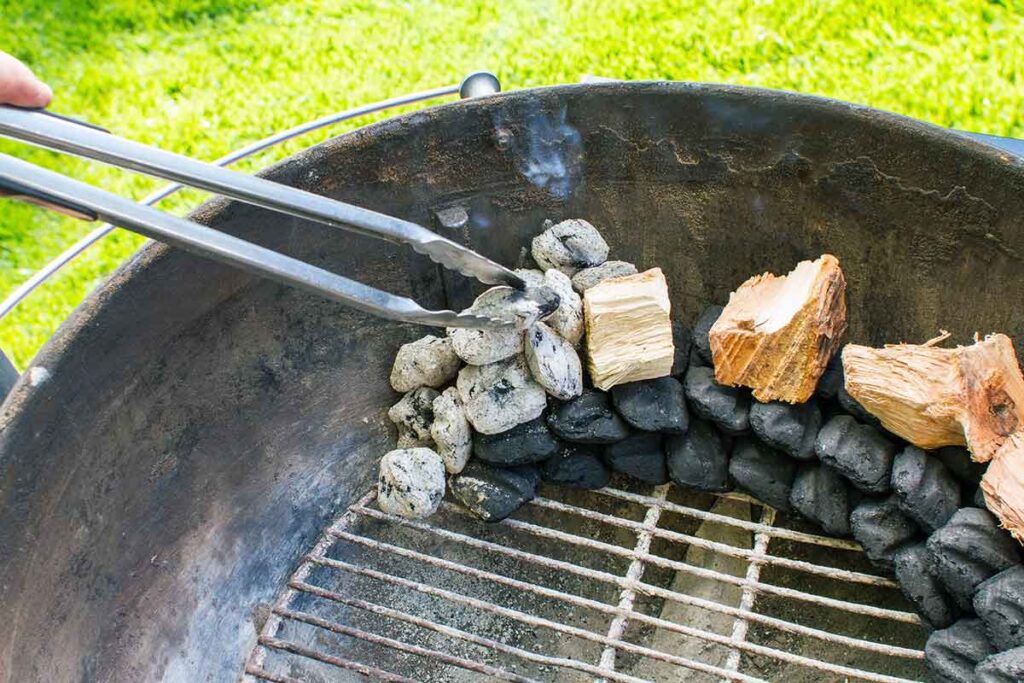
For kettle grills using the Snake Method, place chunks every few inches along your charcoal. They’ll light as the fire spreads, giving steady smoke all cook long.
“A fruit wood such as apple or cherry is typically the best choice for the backyard cook — you won’t run as much of a risk of overpowering the meat or making it bitter,” writes Clint Cantwell of Grillocracy. “When your cooker comes to temperature, simply add four chunks of wood to the charcoal for the perfect amount of smoke.”
Gas and electric smokers work fine with cherry chips in foil packets or smoker boxes. Don’t soak the chips—wet wood makes steam, not smoke, and cools your fire.
Cherry blends perfectly with oak (for heat), apple (for more fruit), or hickory (for complexity). Try 70% cherry with 30% oak for good heat and sweet smoke.
Common Cherry Wood Problems
Wood won’t produce smoke: Check moisture content – cherry should be seasoned below 20% but not bone dry. Improve airflow by adjusting dampers and use smaller pieces to get fire established.
Bitter or harsh flavors: Usually from using too much wood or poor combustion. Stick to 3-4 chunks for most cooks and look for thin blue smoke, not billowing white clouds.
Not enough cherry flavor: Add wood in the first 3-4 hours when meat absorbs smoke best. Try naturally air-dried cherry over kiln-dried for stronger flavor, or blend with oak for more intensity.
The Science Behind Cherry Wood’s Sweet Smoke and Color
“Burning wood breaks down molecules called lignans, and these turn into smaller organic molecules — including syringol and guaiacol — that are mainly responsible for the quintessential smoky flavor,” writes Dr. Kristine Nolin, Chemistry Chair for the University of Richmond. “When smoke comes in contact with food, the components of the smoke can get absorbed. Food is particularly good at taking on smoky flavors because it contains both fats and water. Each binds to different types of molecules.”
In short, when cherry burns at 300-500°F, heat breaks down the wood’s cellulose and lignin into flavor compounds like guaiacol (smoky) and syringol (sweet). Clean burning keeps these compounds tasting good instead of bitter.

That reddish color happens when nitrogen dioxide from the fire reacts with proteins in the meat. It’s the same reaction that makes the smoke ring, though cherry’s contribution is mostly visual.
Cherry produces about 20-22 million BTUs per cord—roughly two-thirds what oak gives. This means feeding the fire more often but easier temperature control.
According to Baylor College of Medicine, fruitwoods like cherry “produce lighter, cleaner smoke compared to denser woods like hickory or mesquite, resulting in fewer potentially harmful compounds.” This makes cherry an excellent choice for health-conscious pitmasters
Competition Context
On the competition circuit, cherry wood has earned a loyal following for both flavor and appearance. Judges only get a bite or two, so balance matters. Heavy smoke risks creating off-flavors; cherry provides a clean, sweet profile that enhances without overwhelming.
“Cherry creates the deepest, darkest smoke rings… Many competition BBQ cooks use [it] for all 4 meats (chicken, ribs, pulled pork and brisket). If you are not sure what wood to use, get cherry.,” notes retail BBQ supplier BBQ Island.
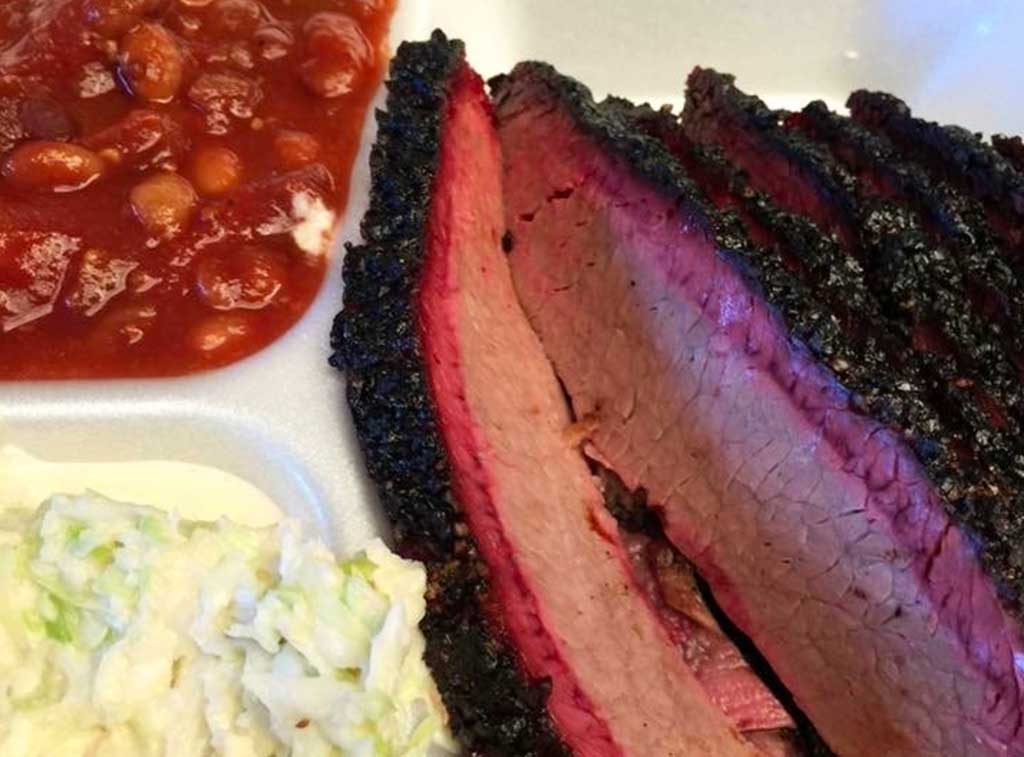
Blends are common. Hickory and cherry for ribs, oak and cherry for brisket, or pecan and cherry for pork butt all strike a balance of strength and sweetness. Cookston has noted that fruitwoods like cherry are particularly effective for competition ribs, helping teams avoid the bitterness that can knock down scores.
Cherry has also become essential in pellet competitions. Many “competition blend” pellets include cherry precisely because it delivers consistent results: attractive color, approachable flavor, and smoke that appeals to a wide range of judges.
Cultural Notes
Cherry wood moved beyond traditional barbecue to become a quality marker everywhere. “Cherrywood-smoked” on menus means refined smoking that delivers flavor without harsh edges.
The wood works especially well for St. Louis-style ribs where sweet smoke complements rich marbling and popular glazes.
Holiday smoking increasingly features cherry, particularly for Thanksgiving turkeys and Christmas hams where the color and mild smoke create impressive presentations.
Finally, the Pacific Northwest is famous for introducing wood planks like cedar for flavoring seafood. But Steven Raichlen, 5-time James Beard Award-winner and Barbecue Hall of Famer, suggests that there are other options for the grill:
“There is another way to achieve the type of aromatics that wood can bring to your food: grilling on a wood plank, Raichlen writes. “I know you’re familiar with Cedar Grilling Planks for salmon. What you may not realize is that other hardwoods make great grilling planks—each with its own distinct flavor. Use a cherry wood plank for your next planked dish.”
Cherry vs. Other Woods
| Wood | Flavor Strength | Smoke Flavor Notes | Burn Character | Best Uses | Where It’s Iconic |
|---|---|---|---|---|---|
| Cherry | Mild to Medium | Sweet, fruity, subtle; adds mahogany color | Moderate heat; burns steady but faster than oak | Pork, poultry, ham; blends well with oak/hickory | Competition BBQ; backyard favorite |
| Apple | Mild | Delicate, very sweet, fruity | Cooler burn; smaller coal bed | Poultry, fish, pork tender cuts | New England, Pacific Northwest |
| Hickory | Strong | Robust, bacon-like, hearty | Hot, long burn; excellent coals | Pork shoulder, ribs, brisket | Carolinas, Memphis BBQ |
| Oak | Medium | Balanced, woodsy, versatile | Steady burn; long-lasting coal bed | Brisket, pork butt, all-purpose base wood | Central Texas, Carolinas |
Cherry Wood BBQ FAQ
Yes, cherry wood is perfect for beginners because it’s nearly impossible to over-smoke with. Unlike hickory or mesquite which can easily turn bitter, cherry provides consistent, mild results every time. Its forgiving nature makes it ideal for learning proper smoking techniques while still being sophisticated enough for competition teams.
Cherry smoke contains compounds that react with meat proteins to create that signature mahogany bark color competition judges love. This same reaction contributes to the smoke ring. On lighter meats like chicken, cherry creates darker skin than expected – this is purely cosmetic and the flavor remains excellent.
Chunks (3-4 inches) work best for most home smokers, providing 45-60 minutes of steady smoke per piece. Chips burn faster (15-20 minutes) and work well in gas smokers but need frequent replacement. Pellets offer convenience in pellet grills, though many “cherry” pellets are actually a wood blend.
Often, “cherry” pellets are blends—commonly an oak base with cherry for flavor and color. Blends burn consistently and still deliver recognizable cherry notes. If you want maximum cherry character, look for bags labeled 100% cherry. Both work; pick blends for steady heat and availability, 100% for stronger fruit and deeper color.
This is a common myth. While cherry leaves and pits contain trace cyanogenic compounds, the heartwood used for smoking contains negligible amounts that pose no danger. These compounds break down during the 300-500°F smoking process, and professional kitchens have used cherry wood safely for decades.
About the author
James Roller documents South Carolina barbecue for Destination BBQ and authored Going Whole Hog. He researches techniques, interviews pitmasters, creates tools, and curates reliable sources so home cooks can cook barbecue safely and confidently at home.
More about James.See something that needs a tweak? Send a correction.
« See All BBQ Terms