Alder
Learn how alder wood smokes, which meats it flatters, how it compares to hickory and oak, and when to blend it with fruitwoods
What is Alder Wood for BBQ?
In barbecue, alder is known for its light, sweet smoke that enhances food without overpowering it. The wood burns clean and fairly fast, making it especially prized for delicate foods like fish, poultry, and even cheese. In the Pacific Northwest, red alder has long been the traditional choice for smoking salmon, much like hickory in the Carolinas or oak in Texas.
Key Takeaways
- Pacific Northwest classic: Alder is the traditional wood for smoking salmon, prized for its light, sweet, and earthy smoke.
- Best for delicate foods: Perfect for salmon, trout, poultry, and cheese, where subtle smoke enhances flavor without overpowering.
- Quick-burning hardwood: Lights easily, burns hot, and produces a clean smoke with a lighter coal bed than oak or hickory.
- Great for blending: Often paired with fruitwoods for extra sweetness or oak/hickory for added depth.

“A lot of people use alder for chicken and fish because it’s a much milder smoke. They don’t want to overpower the fish, but they want to have a little bit of smoke to it.”
~ Dan Dean, chef-owner of Breslau’s D&D Smoked Eats, interview with CBC
Understanding Alder
Characteristics of Alder Wood
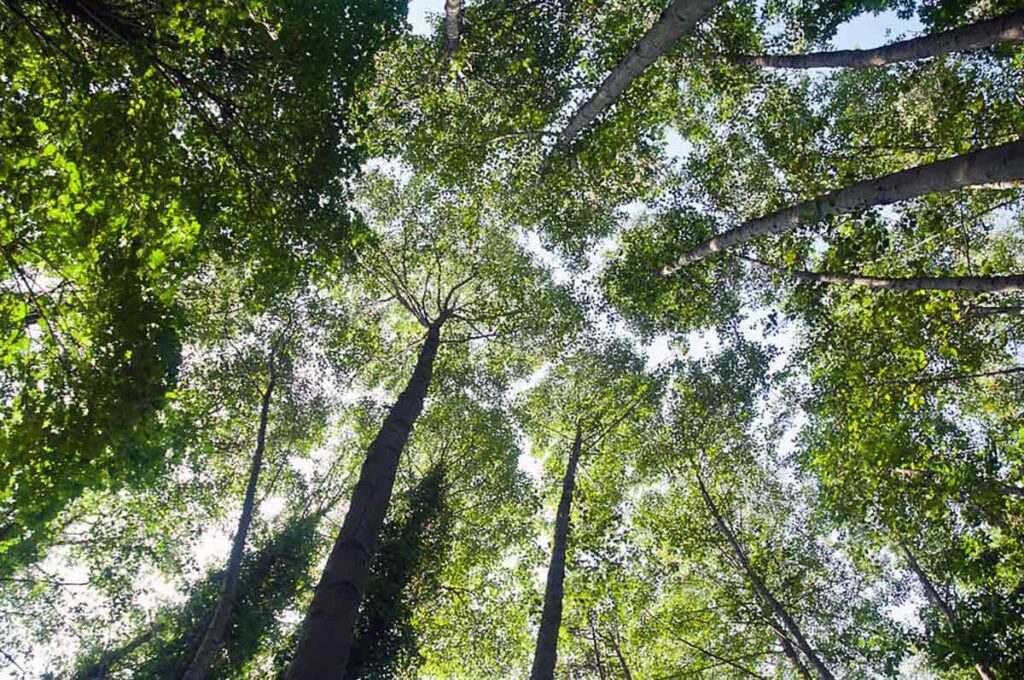
Alder belongs to the birch family. The most important species for barbecue is red alder (Alnus rubra), native to the Pacific Northwest. In fact, The Wood Database writes that it “is the most abundant hardwood in the Pacific Northwest region of the United States” and that it’s wood “tends to be a light tan to reddish brown…[with] no visible distinction between heartwood and sapwood.”
It grows quickly, seasons in about a year, and splits easily. Unlike dense hardwoods like oak or hickory, alder is relatively soft, so it burns hotter and faster, producing less coal. Other alders, like white alder in California or European varieties, share similar mild smoke but are less commonly used in U.S. barbecue.
Flavor Profile of Alder
Alder produces subtle, sweet, earthy smoke. It’s lighter than fruitwoods such as apple or cherry and far milder than hickory or mesquite. That makes it forgiving—hard to overdo—and a favorite for those who prefer a clean finish. Alder doesn’t impart deep mahogany color to bark like cherry or hickory; instead, it leaves food with a gentle golden tint.
“Alder wood produces a neutral, balanced smoke that has long been a sportsman’s favorite for smoking salmon, trout, seafood and really any type of other meats.” – Bradley Smoker
History and Regional Use
In the Pacific Northwest, Native American tribes smoked salmon over alder fires long before modern BBQ. For the Coast Salish, alder smoke carried cultural and spiritual meaning. To this day, salmon bakes across Washington and Oregon still use alder.
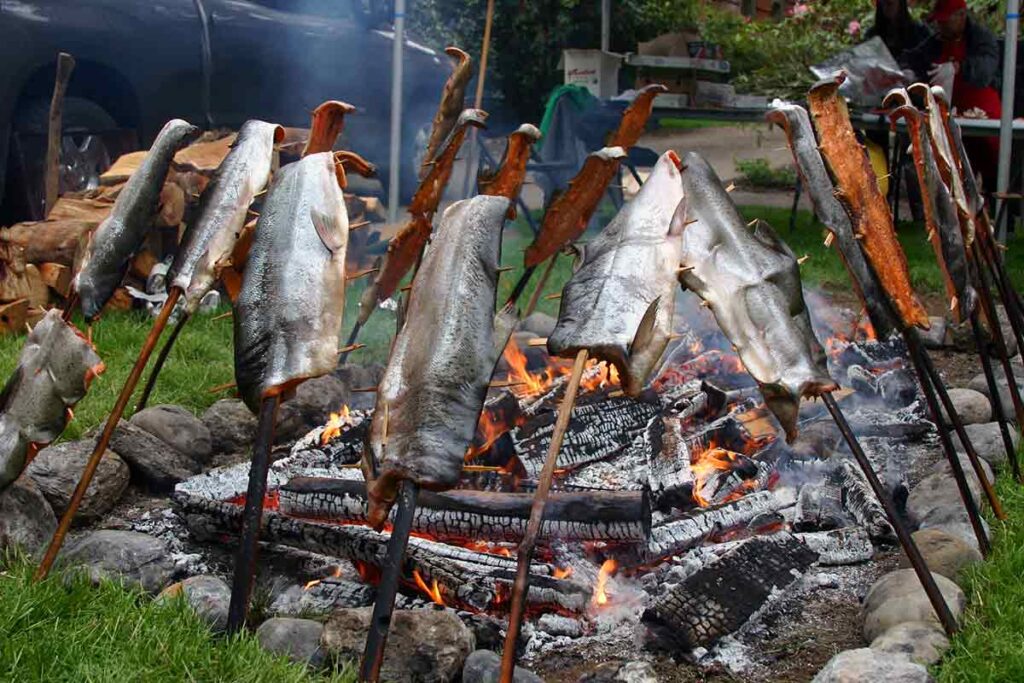
As this report on salmon bakes from NOAA Fisheries noted, “For 20 years, OSU’s Native American Longhouse Eena Haws has hosted this annual event as an opportunity for students to learn about treaty and fishing rights in the Pacific Northwest, work with some of the local tribes and tribal fishermen, and eat foods prepared in the tradition-rich tribal way.”
Across Europe, alder has also been a classic smoking wood. Latvians favored white alder for meats and fish, while Scandinavians used alder to cold-smoke salmon and cheese. In the U.S., outside of salmon country, alder has found a niche among pitmasters who want a lighter touch.
“Without wood smoke, there would be no salmon kissed with alderwood smoke from the Pacific Northwest.” – BarbecueBible.com
Best Meats to Smoke with Alder
Of course, it is the best wood for smoking salmon, but is alder wood good for smoking pork? beef? While it can be used well with a number of meats, alder is at its best with delicate proteins:
- Salmon and seafood: the classic Northwest pairing.
- Poultry: whole chicken or turkey takes on subtle smoke without risk of bitterness.
- Pork: ribs and loin smoke beautifully with alder.
- Vegetables and cheeses: alder’s mildness makes it excellent for cold-smoking cheese or lightly smoking peppers and tomatoes.
As noted by charcoal grill maker CharBroil, Alder is “commonly used when smoking salmon, but it goes well with most fish, pork, poultry and light-meat game birds.”
For heavier meats like brisket, alder can seem underpowered; many cooks blend it with oak or hickory. See our Wood Pairing Guide for more details.
Buying and Selecting
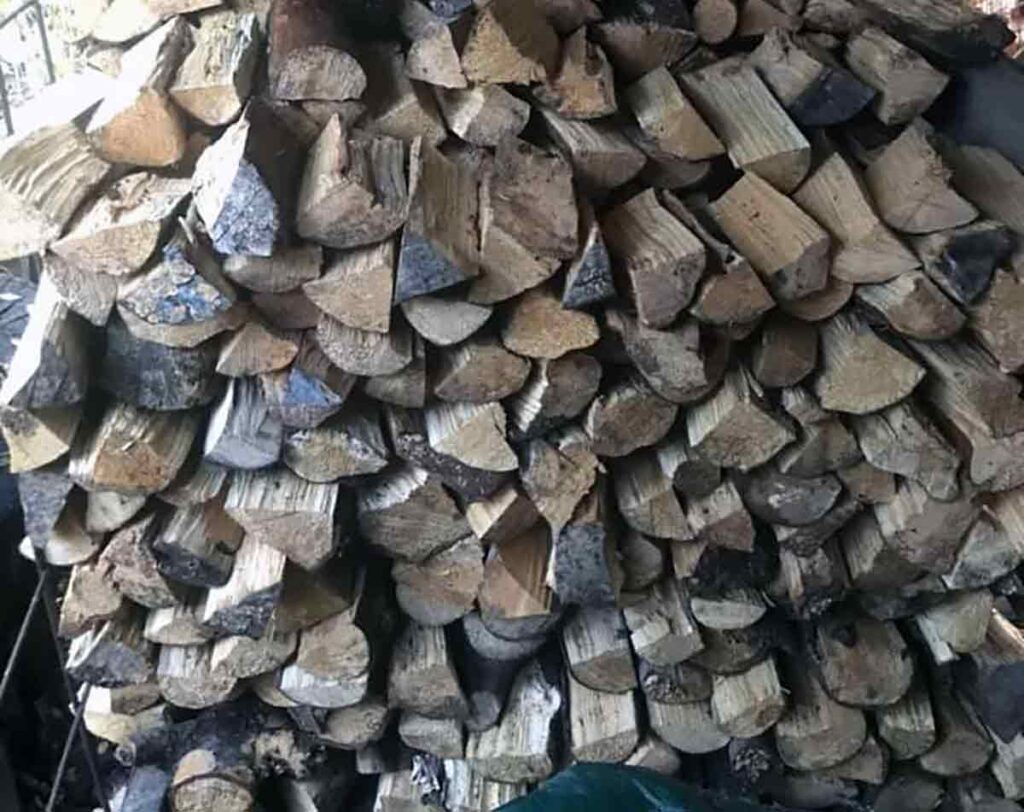
While alder is most common in the Pacific Northwest, wood chunks, chips, and pellets are widely sold online and at BBQ supply stores, making it easy to find even if you live outside the region.
Look for well-seasoned alder (moisture under 20%). Good alder is pale brown inside with thin bark. Avoid mold or damp wood, which produces harsh smoke. Alder is sold as chips, chunks, pellets, and occasionally splits. In pellet form, alder is often a base wood mixed with fruitwoods. Always buy untreated wood—never lumber or scraps.
Preparation and Use
- Offsets: Alder splits burn hot but fast. Add small, dry splits regularly for thin blue smoke.
- Kettles/Kamados: Use chunks with the Snake Method for steady smoke.
- Pellet grills: Alder pellets give a mild flavor, often blended with stronger woods.
- Gas/Electric: Chips in a smoker box or foil pouch work well.
Skip soaking alder wood chips—it only creates steam. For more depth, blend alder with cherry for color or oak for backbone.
Cooking Science
Alder is lower in lignin and density than woods like hickory. That means fewer intense phenols in the smoke, producing a milder flavor. Its BTU value is about 17–18 million per cord, lower than oak. When burned clean and dry, alder produces the thin, nearly invisible smoke that pitmasters prize.
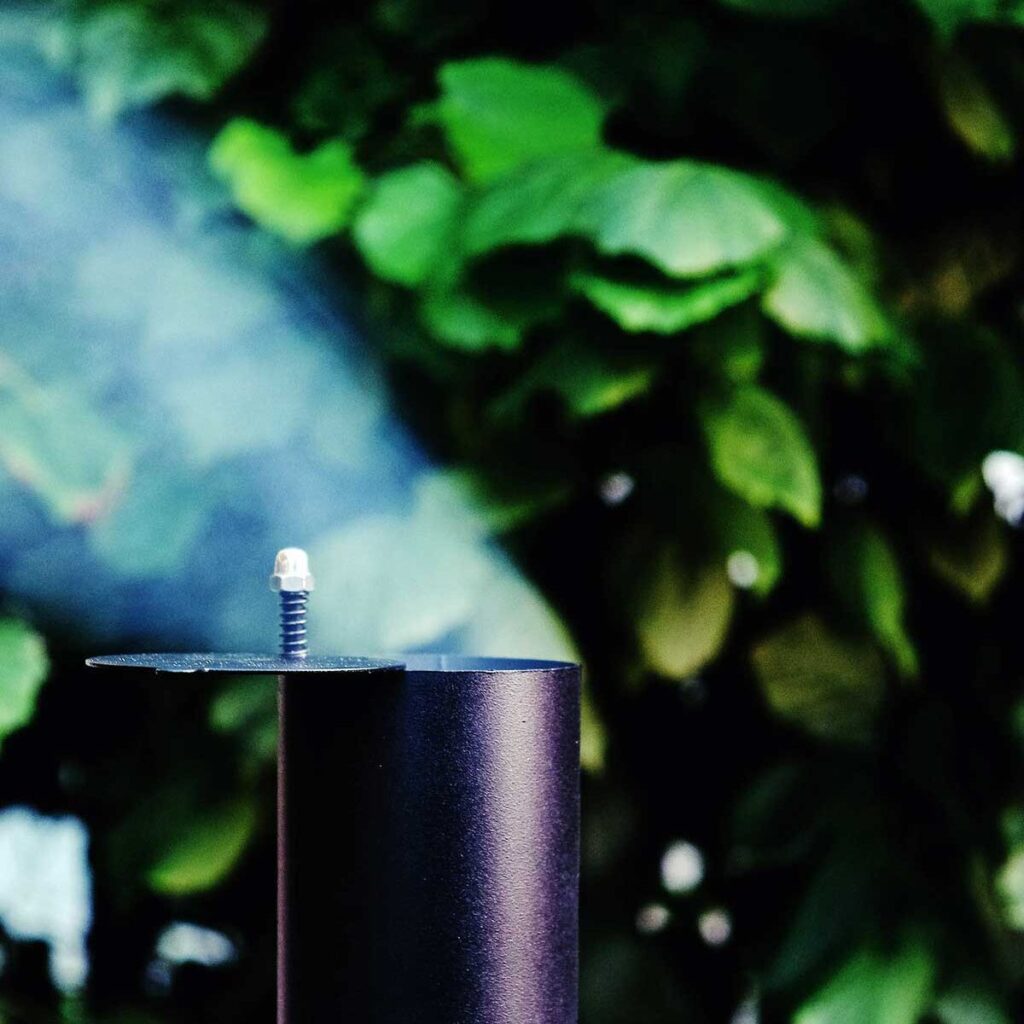
“The most desirable smoke is almost invisible with a pale blue tint. Blue smoke is the holy grail of low and slow pitmasters, especially for long cooks.” – Meathead Goldwyn, AmazingRibs
Competition Context
Alder rarely headlines on the BBQ circuit, where stronger woods win over judges in a single bite. But some teams use alder, often blended with fruitwood, for chicken or turkey where balance matters more than punch. Its forgiving smoke means competitors avoid oversmoking delicate entries.
“What can I say about this barbecue wood… it is the wood that is greatly preferred for most any fish especially salmon.” – Jeff Phillips, Smoking-Meat.com
Cultural Notes
Alder connects foodways across continents. In the Pacific Northwest, it’s inseparable from salmon tradition. In Northern Europe, alder smoke has seasoned hams and cheeses for centuries. Today, backyard cooks everywhere use it when they want a lighter hand. Alder may not often grace Southern barbecue pits, but it broadens the palette of woods available to pitmasters who value subtlety.
Alder in Indigenous Traditions
.jpg)
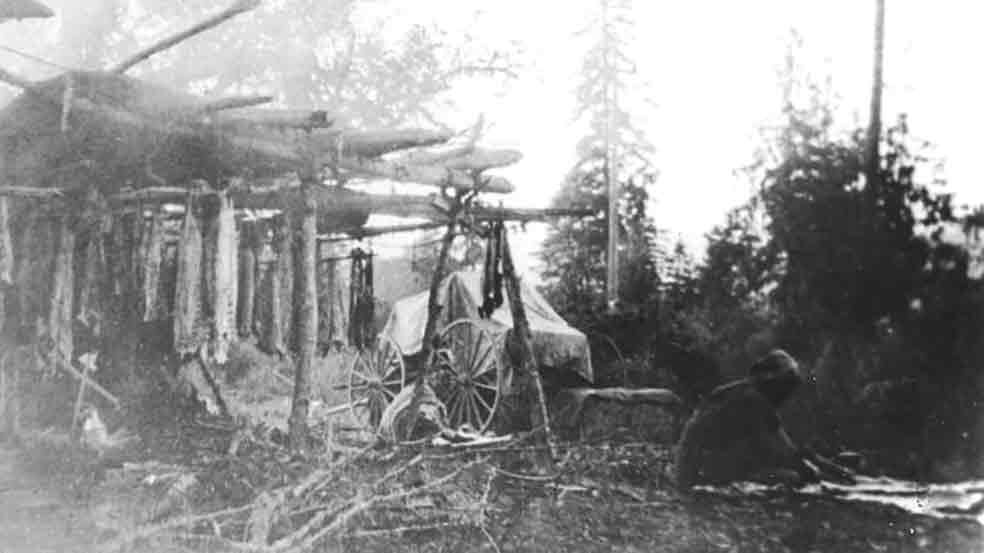
Long before backyard smokers, Native peoples of the Pacific Northwest relied on alder to prepare salmon and other seafood. The wood’s clean, gentle smoke was prized for preserving fish without masking its natural flavor. This centuries-old practice laid the foundation for the region’s reputation, linking alder smoke directly to the taste of traditional Northwest cooking.
In addition to cooking practices, the USDA NRCS notes that “North American Indians used the bark [of red alder] to treat many complaints such a headaches, rheumatic pains, internal injuries, and diarrhea (Moerman 1998).”
Alder vs. Other Woods
When choosing smoking wood, it’s helpful to compare alder directly to stronger options like hickory or oak. Alder is prized for its mild, sweet smoke that enhances fish and poultry without overpowering them, while hickory delivers a bold, bacon-like flavor better suited for ribs and pork shoulders. The table below highlights how alder stacks up against other popular BBQ woods so you can choose the right match for your cook. Alder vs. hickory, alder vs. oak, and alder vs. cherry wood:
| Wood | Flavor Strength | Smoke Flavor Notes | Burn Character | Best Uses | Where It’s Iconic |
|---|---|---|---|---|---|
| Alder | Very Mild | Slightly sweet, earthy, never overpowering | Quick to ignite; burns hot, light coal bed | Salmon, seafood, poultry, cheese | Pacific NW salmon, European smokehouses |
| Oak | Medium | Balanced, toasty, classic “woody” smoke | Steady heat, deep coal bed | Brisket, pork butt, ribs | Central Texas brisket, Santa Maria grilling |
| Hickory | Strong | Robust, bacon-like, can get bitter | Hot burning, long-lasting coals | Whole hog, pork ribs, bacon | Carolinas, Kansas City BBQ |
| Cherry | Mild–Medium | Sweet, fruity, deep red color | Moderate burn, easy ignition | Pork ribs, chicken, turkey | Competition BBQ for color |
As you can see, alder’s gentle smoke makes it stand apart from heavier woods like hickory or oak. If you’re planning your next cook, check our full guide to BBQ wood-meat pairings for more tips on matching woods with different meats.
Alder Wood Smoking FAQ
Alder is best known for salmon and other seafood, thanks to its gentle, sweet smoke. It also pairs well with poultry, pork chops or loins, and vegetables, which benefit from its mild flavor without being overwhelmed. It’s less suited for heavy cuts like brisket.
No, never soak alder chips or chunks. Soaking creates steam, not smoke, and delays the clean-burning process. Wet wood produces bitter white smoke instead of the thin blue smoke you want. Use dry, seasoned alder for immediate, clean combustion at proper smoking temperatures.
Yes. Alder works well with pellet grills, electric smokers, and charcoal setups. In pellet form, it’s often blended with stronger woods for balance. For gas or electric smokers, use small dry chips in a smoker box or foil pouch to create clean, controlled smoke.
Alder is milder than both apple and cherry. Apple gives fruity sweetness and golden color, cherry adds deeper sweetness with mahogany color, while alder provides subtle earthiness with minimal color change. For beginners, alder is most forgiving since it’s nearly impossible to over-smoke with.
Alder is a relatively soft hardwood, so its splits and chunks burn hotter but for a shorter time — usually 2–3 hours compared to 4–5 hours for denser woods like oak. You may need to add more alder during long cooks, but its lighter smoke helps prevent over-smoking.
About the author
James Roller documents South Carolina barbecue for Destination BBQ and authored Going Whole Hog. He researches techniques, interviews pitmasters, creates tools, and curates reliable sources so home cooks can cook barbecue safely and confidently at home.
More about James.See something that needs a tweak? Send a correction.
« See All BBQ Terms