Alabama White Sauce
Learn what Alabama white sauce is, how it’s made, where it came from, and smart ways to use it beyond smoked chicken
What is Alabama White Sauce?
Alabama White Sauce is a tangy and creamy barbecue sauce that originated in Decatur, AL. It’s made with mayonnaise, vinegar, and various seasonings and is commonly used as a marinade or finishing sauce for chicken. This unique and flavorful sauce offers a tangy and slightly spicy flavor that’s balanced by the creamy texture of the mayonnaise, making it a delicious alternative to traditional red barbecue sauces.
Key Takeaways
- Alabama white sauce is a tangy, pepper-forward mayonnaise-and-vinegar barbecue sauce widely credited to Bob Gibson in Decatur in the 1920s, best known for being dunked on smoked chicken before a brief finish over the fire.
- A dependable starting point is about two parts mayonnaise to one part apple cider vinegar, seasoned with black pepper and salt, with optional lemon, horseradish, cayenne, or Worcestershire for balance.
- You can use it three ways—quick marinade, hot-off-the-pit dunk, or table drizzle—adding brightness to chicken and turkey while cutting the richness of pork.
- Homemade white sauce keeps about a week refrigerated, while bottled versions like Big Bob Gibson’s are widely available online and in many groceries.
Understanding Alabama White Sauce
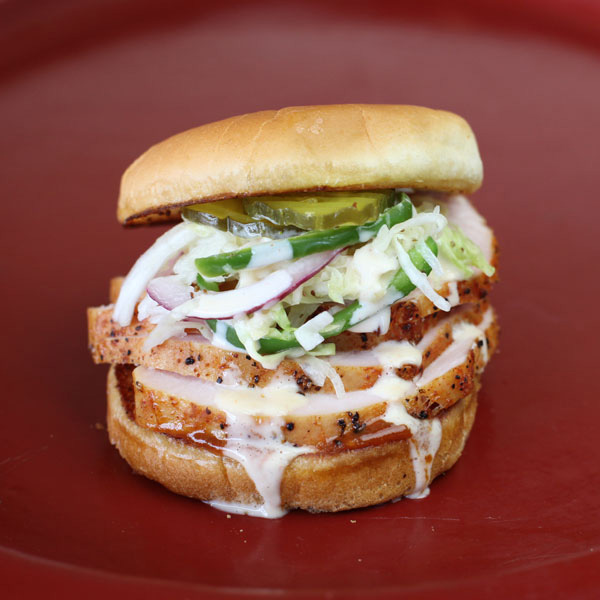
Unlike Kansas City’s molasses-sweet sauces or the Carolinas’ vinegar-only or mustard bases, Alabama white sauce bridges creamy and tangy in a way that’s uniquely refreshing.
“Alabama White Sauce is the perfect complement to smoked chicken,” according to Chris Lilly, a pitmaster and vice president of Big Bob Gibson Bar-B-Q in Decatur, AL. “The tangy and slightly sweet flavor of the sauce really brings out the smokiness of the meat.”
“When you taste the white sauce, the first thing you’re going to get is that acidic vinegar up front, but the mayonnaise sort of smooths that out,” Lilly told writer Bob Carlton. “The best way to describe our barbecue white sauce is a vinegary-peppery flavor. So, a lot of vinegar, a lot of black pepper.”
If you’re a barbecue lover, you might be familiar with the traditional tomato-based sauces that are common in many parts of the country. However, if you haven’t tried this white barbecue sauce, you’re missing out on a unique and delicious sauce that’s worth adding to your barbecue repertoire.
History & Origin (Big Bob Gibson, Decatur, 1920s)
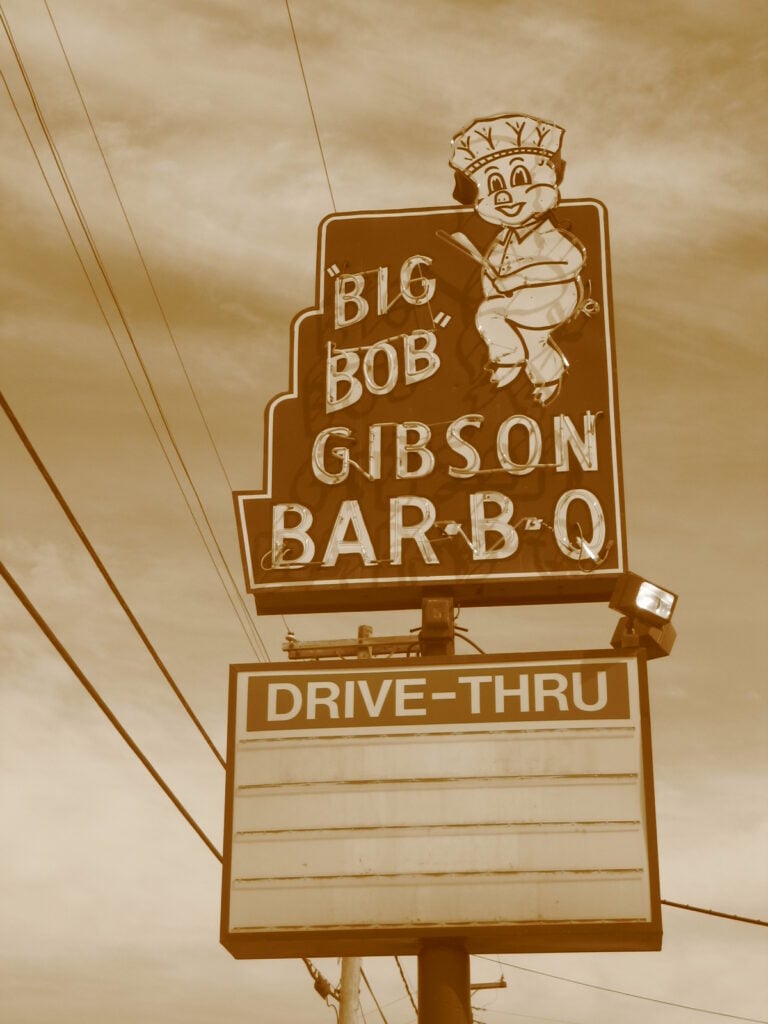
The origins of Alabama white sauce, widely credited to Bob Gibson in Decatur in the 1920s. Family accounts say he began serving it at backyard picnics before opening in 1925.
“Yes. Yes, we—we do say that my grandfather invented the white sauce,” Don McLemore, Gibson’s grandson, told Southern Foodways Alliance, “and no one has come forward to dispute that so you know and honestly, to my—to my knowledge he is the person that did—started the white sauce. Now how he ever came up with the recipe, I don’t have any idea. I wish I did know that, but I don’t.
Lilly shares his theory with the Tuscaloosa News: “His [Bob Gibson’s] chickens sometimes stayed on his pit for three hours… I think that’s where the mayonnaise came from. The fat in the mayonnaise basically used as a buffer against the chicken drying out once it came off the pit.”
Lilly further explains that Gibson had an affinity for vinegar-based sauces and began using the white sauce in his backyard gatherings before opening his restaurant in 1925. McLemore touched on the mystery behind the sauce’s origins. He told the SFA, “I would give somebody a thousand dollars if they could tell me the truth about how he started that. But I don’t know of anybody that knows.”
The sauce has since gained widespread popularity, and Big Bob Gibson Bar-B-Q began bottling their Original White Sauce in the mid-90s. It is now available online and in many groceries beyond Alabama.
Ingredients & Core Formula
In fact, Lilly, husband of Gibson’s great-granddaughter and owner of Big Bob Gibson Bar-B-Q, suggests folks not even think of this white barbecue sauce as a mayonnaise-based sauce. He told AL.com that Gibson actually loved vinegar sauces and that his pork sauce was, in fact, an Eastern Carolina style sauce.
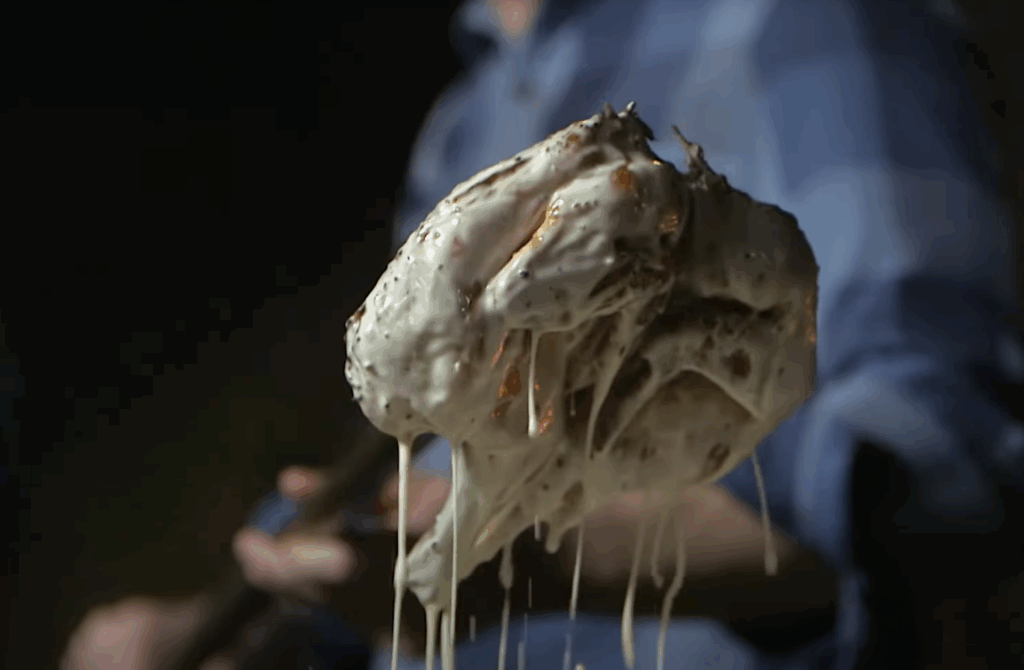
“People describe it as a mayonnaise sauce, but I would describe it as a vinegar sauce with mayonnaise in it, more than anything,” Lilly said.
Alabama White Sauce can be made with mayonnaise, apple cider vinegar, lemon juice, horseradish, garlic, salt, and black pepper, among other seasonings. While the exact recipe can vary from person to person, most versions of the sauce include these basic ingredients. The ratio of ingredients, however, can be adjusted to suit individual tastes, with some people adding more vinegar for a tangier flavor or more horseradish or hot sauce for extra heat.
- Start ratio: 2 parts mayonnaise : 1 part apple cider vinegar
- Quick batch: 1 cup mayo + ½ cup vinegar → ~1½ cups sauce
- Season: per 1 cup mayo add 1 tsp kosher salt + 1–2 tsp coarse black pepper
- Optional add-ins: 1–2 tsp lemon juice, 1–2 tsp prepared horseradish, pinch cayenne, ½–1 tsp sugar, ½ tsp Worcestershire
- Consistency fixes: Too sharp → pinch sugar; too thick → splash vinegar or water; too thin → whisk in more mayo
- Rest & store: Whisk, rest 15–30 minutes; refrigerate up to 1 week
- Use it: Quick marinade (30–60 min), hot-off-the-pit dunk, or drizzle at the table
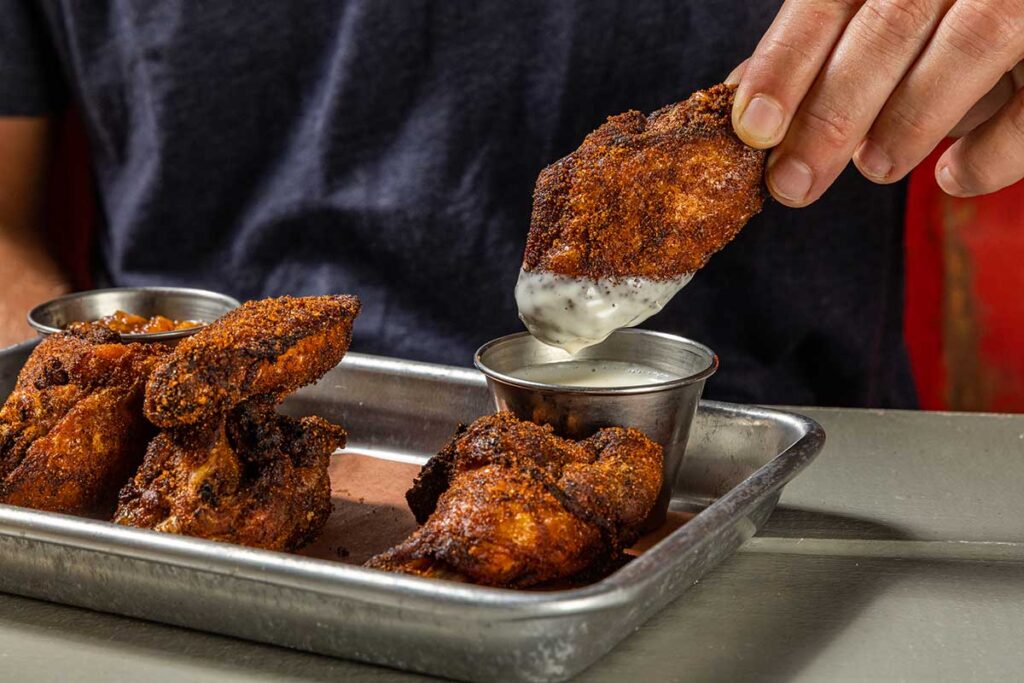
Home Team BBQ makes an excellent white sauce that they serve along with their popular smoked and fried chicken wings. You’ll also enjoy the authentic white sauce recipe from Alabama-based Moe’s Original BBQ.
How to Use
Use Alabama white sauce three practical ways—each brings out different strengths:
- Quick marinade (30–60 minutes): Coat chicken parts or spatchcocked birds just before cooking to add tang and moisture. Avoid long soaks (the acid can make the meat mealy). Discard used marinade (or boil 3 minutes before reusing) for food safety.
- Hot-off-the-pit dunk (classic method): When the chicken is nearly finished, dip it in a bowl of white sauce, let excess drip, then return it to the heat for 1–2 minutes per side. This brief finish sets a thin, glossy glaze without breaking the sauce. Repeat for a bolder coating.
- Table sauce & finishing drizzle: Serve in a squeeze bottle for wings, smoked turkey, and pulled-pork sandwiches. A light drizzle cuts richness on pork and even works as a tangy dip for fries or a quick slaw dressing (thin with a splash of vinegar or water).
Tips for best results: Aim for clean, thin blue smoke when cooking poultry. Keep the sauce chilled until you use it; and if a batch splits after dunking, whisk or blend to re-emulsify. Serving Alabama white sauce with wings at a party? Keep the wings hot and dry on racks, then toss small batches at the last second: Sauce strategy that protects crispiness.
Pitmasters back these methods too—here’s how Rodney Scott and Pat Martin put Alabama white sauce to work in their own barbecue.
Rodney Scott, South Carolina pitmaster and James Beard Award winner, told Today: “I like to serve chicken with my version of a white barbecue sauce. This tangy mayonnaise-based sauce originated in northern Alabama, and it is especially delicious with chicken and turkey.”
Pat Martin, owner of Martin’s Bar-B-Que Joint, writes in his book Life of Fire: “While you’ll often see the sauce used on chicken wings, legs, or half chickens, I like to dunk a whole barbecue bird in the stuff when it’s close to being cooked through, then finish the chicken over the fire, which turns the sauce into a rich, shiny glaze. In addition to being a glaze for grilled chicken, it makes a fine sauce for smoked wings, and Martin’s guests love it as a dip for French fries.”
If you’re looking for a unique and flavorful barbecue sauce to try, give Alabama White Sauce a chance. This tangy, creamy sauce is a refreshing alternative to the more traditional sauces such as a Kansas City red BBQ sauce, Carolina Vinegar-Pepper sauce, or SC’s mustard-based barbecue sauce.
How Alabama White Sauce Compares
While Alabama white sauce is unique, it helps to see it alongside other regional barbecue sauces. The table below shows how it stacks up in base ingredients, flavor, typical uses, and the regions where each is iconic.
| Sauce Style | Base Ingredients | Flavor Profile | Typical Use | Region Iconic |
|---|---|---|---|---|
| Alabama White | Mayo + Vinegar + Black Pepper | Tangy, creamy, peppery | Marinade, dunk, drizzle on chicken/turkey | Northern Alabama (Decatur, Big Bob Gibson’s) |
| Vinegar-Pepper | Vinegar + Red Pepper Flakes | Sharp, spicy, thin | Whole hog mop sauce | Eastern SC and NC |
| Mustard | Yellow Mustard + Vinegar + Sugar | Sweet-tangy, bold | Pork shoulder, pulled pork | Midlands of South Carolina |
| Kansas City Red | Tomato + Molasses + Spices | Thick, sweet-smoky | Ribs, brisket | Kansas City |
This context shows why Alabama white sauce stands apart—creamy and tangy where most barbecue sauces lean sweet or spicy.
Where to Buy & How to Store
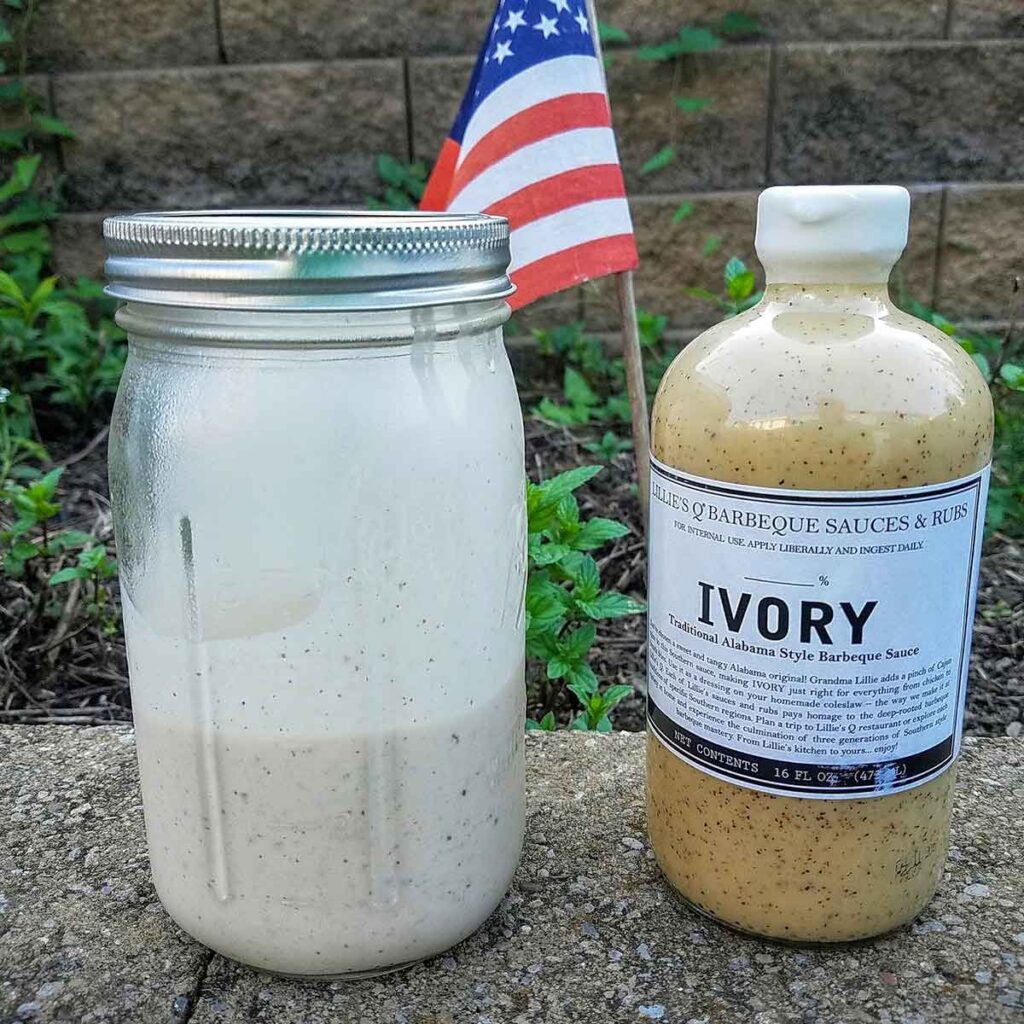
While Alabama White Sauce is historically a regional specialty, it’s becoming more widely available in grocery stores and online. In fact, you can purchase Big Bob Gibson’s Original White Sauce on Amazon. If you would prefer to make it yourself, there are many recipes available on this site and online that you can use to make the sauce at home.
Homemade keeps about a week refrigerated; shake before using.
Alabama White Sauce: FAQ
Yes. While most iconic on smoked chicken and turkey, the sauce also works as a tangy contrast on pulled pork, brisket burnt ends, grilled fish, and even roasted or fried vegetables.
Whisk it vigorously or give it a quick blend to re-emulsify. Separation often happens if ingredients are at different temperatures when mixed. To prevent it, bring everything to room temperature and add the vinegar gradually while whisking.
Freezing isn’t recommended. Mayonnaise tends to separate when thawed, leaving the sauce grainy and broken. It’s best made fresh and stored in the refrigerator for about a week.
Balance the acidity by whisking in a little more mayonnaise or adding a teaspoon of sugar or honey. A pinch of garlic or onion powder can also help round out the flavor.
Most recipes are naturally gluten-free (though check your Worcestershire sauce label) and very low in carbohydrates, making them keto-friendly. The higher fat content comes from the mayonnaise base.
About the author
James Roller documents South Carolina barbecue for Destination BBQ and authored Going Whole Hog. He researches techniques, interviews pitmasters, creates tools, and curates reliable sources so home cooks can cook barbecue safely and confidently at home.
More about James.See something that needs a tweak? Send a correction.
« See All BBQ Terms