Chicken Wing Party Plan: Timeline and Equipment Checklist
Use this wing party timeline and equipment checklist to pick a serving strategy, set up your kitchen, and keep crisp batches flowing
Hosting a wing party is one of those ideas that sounds simple until you’re standing in the kitchen with hot pans, hungry guests, and no clean tongs. The problem usually isn’t the wings.
It’s the setup. The kitchen gets jammed, the batches stop moving, and you end up guessing at the worst possible moment. If you want a wing party checklist, start here. This page covers the decisions to make, the equipment to stage, and a simple party-day schedule you can follow.
This plan assumes a normal home setup: one oven (and/or air fryer), one fridge, basic sheet pans, and average counter space. If you’ve got extra gear, use the optional branches.
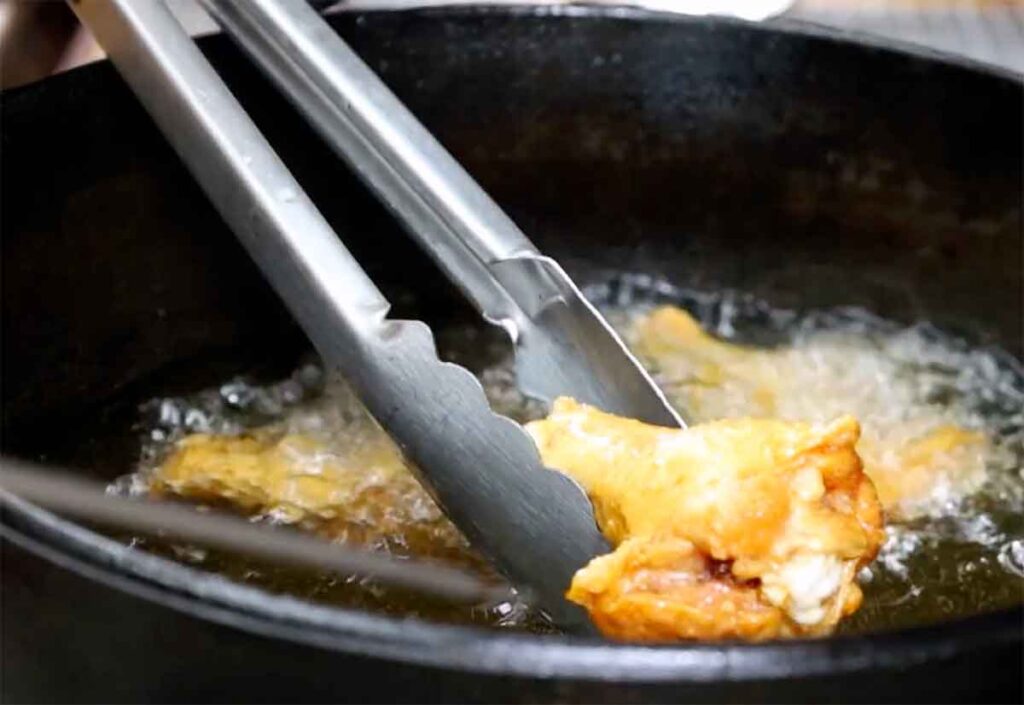
If frying is your go-to (countertop fryer, a pot on the stove, or a burner setup outside), these same timelines still work. Just plan around one extra bottleneck: oil temperature recovery sets your batch pace, and you’ll want a rack-lined pan for draining and staging between batches.
If you want the quick version, use this wing party checklist and then follow the timeline below.
Wing party checklist (60 seconds)
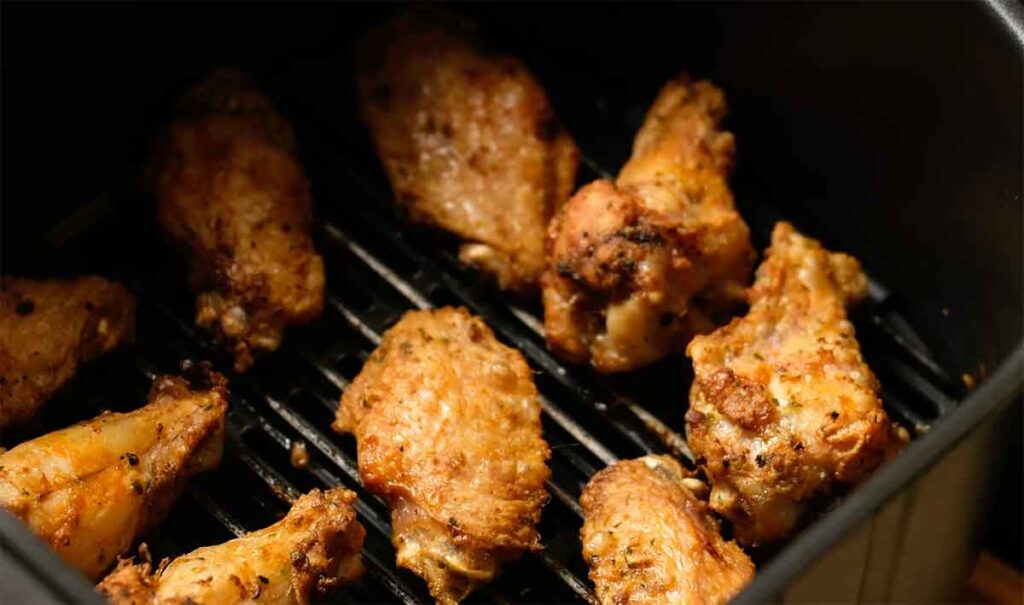
- Pick your cook method: oven, air fryer, fryer, grill, or smoker
- Set your serving flow: cook in batches, hold on racks, crisp right before serving
- Stage 3 zones: raw prep, hot staging, sauce + serve
- Racks matter: use sheet pans + wire racks to avoid soggy wings
- Sauce plan: keep one base batch dry, toss small batches to order
- Table setup: tongs, napkins/wet wipes, lined trash can close by
- Safety: use a thermometer and don’t leave wings sitting out for hours
Pick your serving strategy
You don’t need a perfect plan. You need the plan that fits your day, your kitchen, and whether you’re traveling. Our default setup is sheet pans with wire racks in a standard oven, with toss-to-order saucing.
Pick your plan in 10 seconds
- Hosting at home and want maximum crisp: jump to Day-Of Timeline.
- Traveling, serving over a longer hangout, or guests may arrive late: jump to Cook-Ahead + Re-Crisp Timeline.
- Small group or a short time to eat: jump to the Short Party Plan.
If you’re not sure which one fits your situation, read the options below before you jump to the timeline.
Option 1: Day-Of Cook Plan
This plan is designed for peak crispness and a steady rhythm of batches across a 2–3 hour hangout.
Choose this if:
- You’re okay having to cook during the party
- You want wings coming out fresh in batches
- You can keep the sauce station organized
Option 2: Cook-Ahead + Re-Crisp
This plan is made for flexibility and is the better choice for late guests and transporting wings.
Choose this if:
- You need predictability and a calmer day-of
- You’re taking wings to someone else’s house
- You want a plan that survives schedule slips
Quick links for chicken wing party needs
This page covers the party timeline and game plan. These links go in-depth on other things people often get tripped up by: how many wings you need, how to cook wings for more folks than you’re used to, and how to keep wings hot and crispy over time.
Quick links for common wing party needs
- Need quantities: use the Chicken Wing Calculator
- Need method choices and batch timing ranges: use How to Cook Wings for a Crowd
- Need help holding wings longer: use Keep Wings Hot and Crispy
Four decisions before you start cooking
When it comes to your chicken wing party plan, these choices shape everything else. Make them once, go with it.
- Serve time: pick the time you want the first batch to hit the table
- Primary heat source: oven, air fryer, grill, or a combo.
- Keep capacity in mind: how many wings can it handle per batch without crowding?
- If you’re frying: keep batches small so oil temperature doesn’t crash and slow your whole line.
- Flavor count: default 2–3 flavors unless you have help and extra mixing bowls (and tongs)
- Transporting or not: this determines whether cook-ahead is the smarter move
If you haven’t shopped yet and you’re still deciding fresh vs frozen or whole vs party-cut, use Buying Chicken Wings for a Party and then come back here for the timeline and setup.
Set up four kitchen zones to prevent bottlenecks
What’s the ideal kitchen setup for wings? A simple layout keeps raw and cooked wings separate and keeps you from doing laps around the kitchen.
The four zones
Pick a counter, table, or sideboard for each.
- Raw zone: wings out of the fridge, seasoning, paper towels, trash bag
- Cooking zone: oven or air fryer or grill access, sheet pans, racks, thermometer; if you’re frying, include a clear hot zone plus a rack-lined draining/staging pan
- Saucing zone: mixing bowls, sauces, labels, extra tongs
- Serving zone: serving trays, clean tongs, napkins, a place guests can reach without crowding you
If you have one helper, give them the serving zone and reset duty. You keep things moving so you’re not stuck playing catch-up.
Equipment checklist: must-have vs nice-to-have
This checklist focuses on what actually prevents a wing party meltdown. The key is to have enough gear to keep batches moving without cross-contamination. Here’s your wing party prep list:
| Category | Item | Why it matters | Good substitution |
|---|---|---|---|
| Must-have | Rimmed sheet pans (multiple) | Batch flow, staging, quick resets | Disposable half pans, roasting pans, any rimmed baking sheets |
| Must-have | Wire racks for pans | Airflow under wings, less steaming | Foil “ridges” on the pan, or spread wings out and flip more often |
| Must-have | Instant-read thermometer | Food safety, no guessing | Borrow one if possible |
| Must-have | Large mixing bowls (2–3) | Tossing by flavor without delays | Stock pot, clean roasting pan, large disposable mixing bowl |
| Must-have | Multiple tongs (at least 2) | Raw vs cooked separation, faster serving | Fork + spatula combo, but plan extra sanitation time |
| Must-have | Serving trays or platters | Smaller batches and fast refills | Sheet pans lined with parchment or foil |
| Must-have | Paper towels + trash bag nearby | Drying wings, cleanup, fewer mess spirals | Clean towels, but paper is easier during service |
| Must-have | Consumables: foil, parchment, disposable gloves, sanitizer wipes, zip-top bags, shallow containers | Fast resets, safer handling, easier cleanup during service | Paper plates as liners, hand soap + clean towels, any food-safe containers |
| Nice-to-have | Air fryer | Second heat source for catch-up batches | Toaster oven convection, or a grill finish zone |
| Nice-to-have | Painter’s tape + marker | Label flavors, mixing bowls, tongs, serving trays | Masking tape or sticky notes |
| Nice-to-have | Squeeze bottles | Fast saucing with less mess | Small ladle or spoon |
| If you have it | Outdoor fryer setup | Very fast cook speed, less indoor heat | Not required, treat as an optional branch |
| If you’re frying | Rack-lined draining + staging pan | Airflow after frying keeps wings crisp and prevents a soggy pile | Paper towel lined tray in a pinch, but racks hold crispness better |
If you only upgrade three things, upgrade pan capacity, rack airflow, and tongs + mixing bowls. Those are the hidden time savers for wing parties.
Build a sauce station that doesn’t slow you down
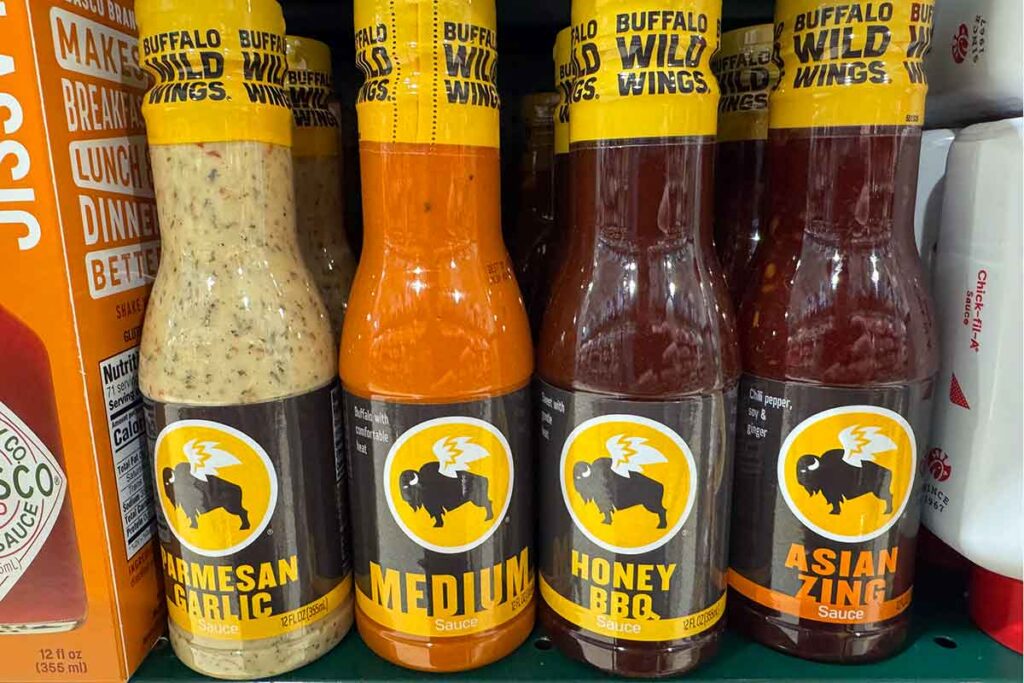
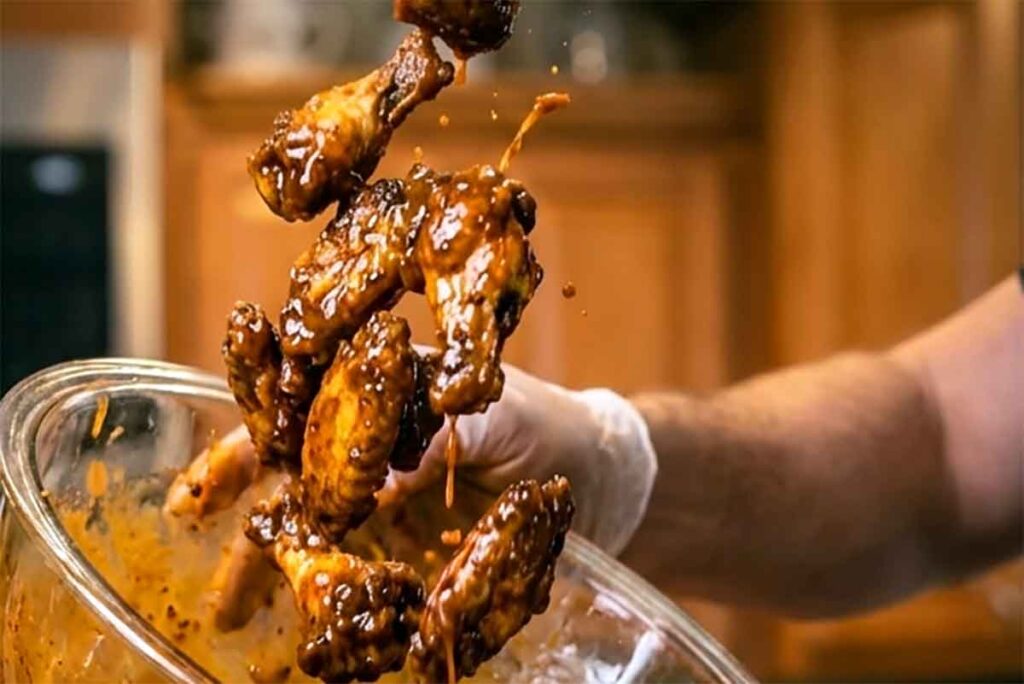
Sauce is where good batches can go soft. The goal is simple: toss fast, keep wings crisp, and avoid a counter covered in sticky sauce.
The default flavor setup for most hosts
Two to three flavors is the sweet spot for 8–50 people.
- Buffalo-style
- One BBQ-style
- One dry option like lemon pepper or a dry rub
For sauce-per-pound and dip baselines, use How Much Sauce for Wings.
A smart fourth sauce that won’t wreck crispness
A sauce that works as a dip and can be made ahead is the easiest “extra option” you can add.
- Moe’s Original BBQ’s Alabama White Sauce Recipe works especially well with grilled or smoked wings and stays easy to serve on the side
- If your guests are unfamiliar with it, a one-time link to Alabama White Sauce Explained can be helpful
- If you want a thinner dip or toss, add an Eastern SC vinegar sauce to the table.
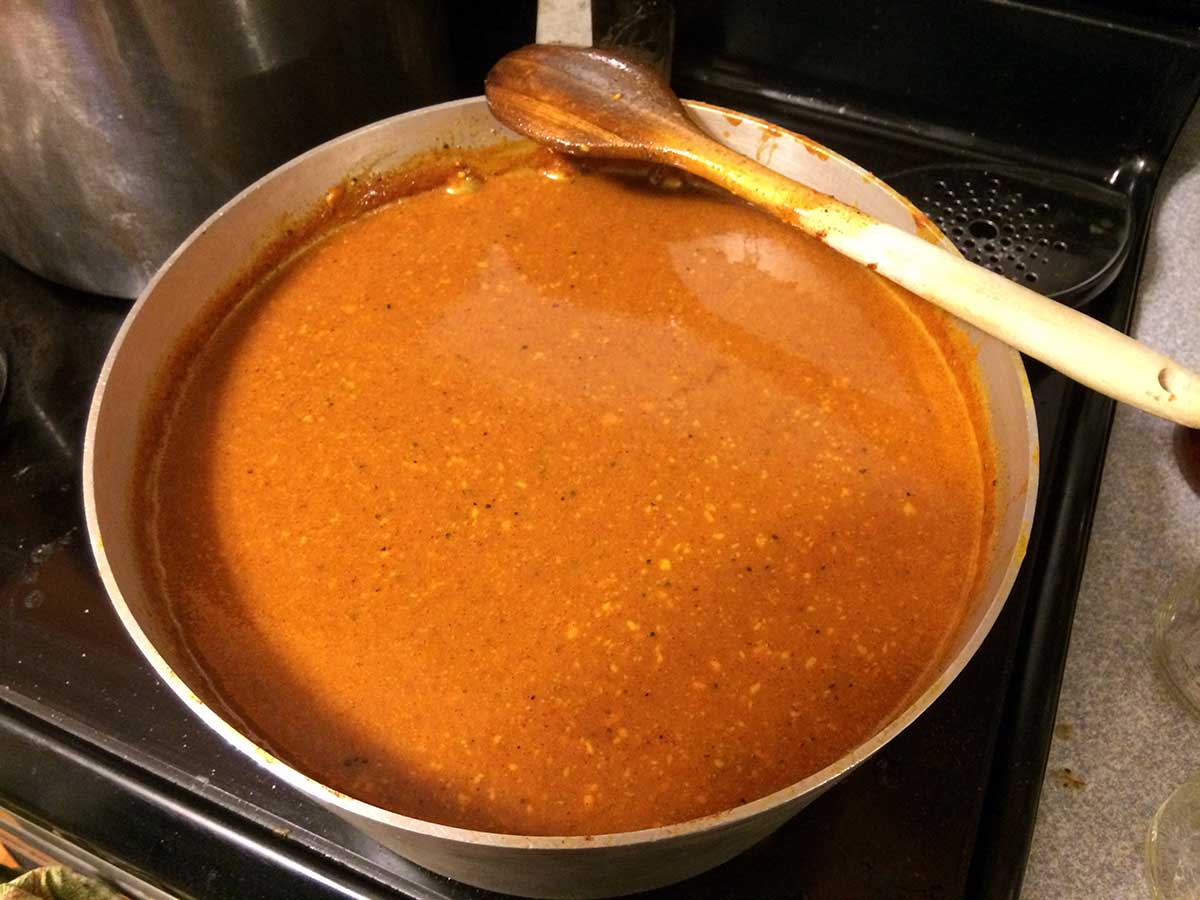
- If you’d rather go ‘gold,’ keep a warm pan of SC mustard BBQ sauce ready for toss-to-order.
If you want 4–6 flavors
You can do it, but only if you treat it like a simple setup problem.
- One mixing bowl per wet sauce, plus one serving tray for unsauced wings
- Label everything so helpers don’t guess
- Smaller batches, sauced more often
- Sauce right before serving so wings don’t sit and go soft
If you’re keeping one batch unsauced, a simple dry rub gives you a second flavor without slowing things down.
Food safety guardrails for wing parties
This is the part that keeps the party safe for you and your guests. The good news is the rules are straightforward and consistent across USDA and CDC guidance.
Wing party food safety guardrails
- Separate raw and cooked zones, pans/sheet pans, and tongs (basic prevention)
- Cook chicken to 165°F internal and use an instant-read thermometer
- If you’re frying: keep a clear “hot zone,” keep kids and pets away, and move wings to a rack-lined pan to drain
- Hot holding should stay 140°F or above if you’re holding between batches
- If you’re using a slow cooker, chafing dish, or warming tray, check that the wings stay at 140°F+ with a thermometer
- Texture is separate: hot holding (140°F+) keeps wings safe, but crispness needs airflow plus a quick re-crisp right before serving
- Do not leave wings out more than 2 hours total or 1 hour if it’s very hot outside
- Cool cooked wings fast if you’re cooking ahead: spread out, use shallow containers, refrigerate within 2 hours
- Reheat to 165°F before serving cooked wings again
Guidance links: USDA FSIS and CDC
Confused why 165°F is safe but not always the best stopping point? See wing temp zones.
If you want deeper leftover guidance beyond party night, read How to Reheat Chicken Wings So They Stay Crispy. Otherwise, here’s the party day cooking schedule for a same-day cook.
Timeline 1: Day-Of Cook Plan
This plan is for hosts who want the crispiest wings and don’t mind running the kitchen line during the party. The key is simple: serve smaller batches more often, keep wings spread out for airflow, and toss in sauce right before serving. If you’re frying, the same rules apply. Smaller batches matter even more because oil recovery sets the pace.
| When | What to do | Why it matters | Gear cue |
|---|---|---|---|
| Day before |
|
|
Pans, racks, mixing bowls, labels, serving trays |
| Morning of |
|
|
Labels, extra tongs, mixing bowls |
| 3:00–4:00 PM |
|
|
Wire racks, extra sheet pan for staging |
| 4:00–5:30 PM |
|
|
Serving trays, clean tongs, small bowls for sauce/dip |
| 6:00 PM (serve) |
|
|
Large mixing bowls + dedicated tongs (one per sauce, plus one for unsauced wings) |
| 6:00–8:30 PM |
|
|
Thermometer, extra racks, air fryer (optional) |
| After |
|
|
Shallow containers, foil, thermometer |
Want to reuse this for a different serve time? Keep the steps the same and adjust the times so your first batch hits the table right when you want to serve.
If you’re running behind in this plan, the fastest save is usually the same: reduce batch size, simplify sauces, and keep wings spread out so steam can escape.
Optional branches if you have extra gear
These branches help you recover if the main line falls behind, but they’re not required.
- If you have an air fryer: use it as a catch-up machine for small batches
- If you have an outdoor fryer: it can be fast, but only use it if you already know the routine and safety setup
- If you’re grilling or smoking: plan a finish zone and consider Home Team BBQ’s Smoked Chicken Wing Recipe as a reliable starting point, smoked with oak then deep fried
- If you’re smoking, our wood selection tool helps you pick the perfect match for poultry
Timeline 2: Cook-Ahead + Re-Crisp Plan
This plan is for hosts who want flexibility and a calmer party day, especially if guests might arrive late or you’re traveling. You cook ahead, cool safely, then re-crisp and serve in batches so the party still feels fresh.
| When | What to do | Why it matters | Gear cue |
|---|---|---|---|
| Two days before |
|
|
Notes list, labels, disposable pans (optional) |
| Day before (cook day) |
|
|
Sheet pans, racks, shallow containers, thermometer |
| Day of, 3:30–5:30 PM |
|
|
Racks, pans, clean tongs, serving trays |
| 6:00 PM (serve) |
|
|
Large mixing bowls, small bowls for sauces/dips, dedicated tongs (one per sauce, plus one for unsauced) |
| 6:00–8:30 PM |
|
|
Thermometer, racks, extra pans |
| After |
|
|
Shallow containers, foil, thermometer |
Want to reuse this plan for a different serve time? Keep the steps the same and adjust the times so a re-crisped batch finishes right when you’re ready to serve.
If you’re traveling with wings, this is the safer plan. Cook ahead, transport cold when possible, and re-crisp at the destination instead of trying to keep a big pan of wings hot for a long stretch.
This is the most forgiving plan for real-life hosting. If your schedule slips, you can keep serving hot wings by re-crisping fresh batches instead of trying to hold everything at once.
Short party plan: 60 to 90 minutes
Short parties can still be great, but the goal is different and the plan is simpler. Put out a strong first batch of wings, then have one backup batch ready so you’re not cooking the whole time.
The simple game plan
- Keep it to 1–2 flavors plus a dry option
- Put out one main batch, then plan one refill
- Sauce right before serving, and keep a dry option available
Transporting wings without arriving with a soggy pile
Need to know how to bring wings to a party? Transport is where crispness often disappears. The goal is to avoid trapping steam and to re-crisp at the destination when possible.
Practical transport rules
- Avoid tightly sealed containers for hot wings. Steam is the enemy
- If you’re doing cook-ahead, transport cold and re-crisp at the destination whenever possible
- Bring an “arrival kit”: tongs, foil, paper towels, thermometer, and one spare sauce
For deeper holding and transport tactics, see Keep Wings Hot and Crispy.
Bottlenecks and fast fixes
This section saves your night when something goes sideways. Most wing problems have a simple cause and a simple fix.
Troubleshooting grid
| What’s happening | Likely cause | Fix right now | Prevent it next time |
|---|---|---|---|
| Wings are turning soft | Steam, crowding, sauce too early | Spread wings out on racks, stop stacking, and toss to order | Use racks, smaller batches, and toss in sauce right before serving |
| You’re falling behind | Batches too large, turnover too slow | Reduce batch size, simplify flavors, and use a second heat source if you have it | Start earlier than you think and plan around your bottleneck |
| Sauce station is a mess | Too few mixing bowls and tongs, no labels | Reset fast: one mixing bowl per sauce, label, and dedicate tongs | Stage mixing bowls, labels, and an extra set of tongs the day before |
| Guests arrive late | No plan for the next batch | Keep a “next batch” ready and avoid holding big serving trays at room temperature | Use the cook-ahead and re-crisp plan when timing is unpredictable |
| Oven space is maxed | Too many pans, not enough airflow | Run fewer pans with spacing, rotate racks, and use an air fryer for catch-up if you have one | Count how many pans fit before party day |
| Wings are hot but not safe | No thermometer checks | Check internal temperature and cook or reheat to 165°F | Keep the thermometer on the counter, not in a drawer |
| Fryer can’t keep up | Overloaded batches, oil temperature drops and takes time to recover | Run smaller batches, give the oil a minute to recover, and use the oven or air fryer as catch-up if you have one | Test batch size ahead of time and start earlier than you think |
When in doubt, the fastest rescue move is usually the same: smaller batches, better airflow, simpler sauce flow.
Chicken wing party plan FAQs
Do a quick test run 1–2 days ahead. Load one pan the way you plan to cook (rack if using one), then time how long it takes to cook through and crisp the way you like. Count how many wings fit without crowding. That number is your true batch size, not what “should” fit.
Keep the plan boring on purpose. Use sheet pans plus racks if you have them, run smaller batches, and keep wings in a single layer for airflow. Pick 1–2 wet flavors and one dry option so you are not juggling mixing bowls. Toss in sauce right before serving and refill serving trays instead of piling wings.
For best texture, cook 1 day ahead. Cool fast in a single layer, refrigerate promptly, and keep sauces separate. On party day, reheat to at least 165°F, re-crisping in batches and sauce at the end. Follow USDA leftovers guidance for storage limits.
Assign zones and don’t let helpers “float.” One person runs the serving zone only, using clean tongs that never touch raw prep surfaces. Keep raw prep tools and pans/sheet pans physically separate, and swap in a fresh set of tongs every so often. Put sanitizer wipes and paper towels where the action happens.
Treat sauce as the last step, not storage. Keep sauces warm and ready, but keep wings unsauced until the moment they hit the serving tray. Use one mixing bowl per wet sauce, dedicate tongs to each mixing bowl, and label everything so nobody guesses. If you want more flavors, serve one or two as dips instead of tossing every batch.
First, reduce batch size so wings cook and crisp faster. Second, cut flavor choices for the rest of the party, or switch extra sauces to “dip only.” Third, protect airflow: stop stacking, spread wings on racks or pans, and rotate positions. Those moves usually stabilize your pace within one or two batches.
Corrections and editorial standards
- Spotted something wrong or outdated? Send a correction here: Corrections & Updates
- How we handle sources, testing, and updates: Editorial Standards
- Media or general notes: Email the publisher
Restaurant owners and authorized reps should use the listing update form: Restaurant Listing Update.
Sources
Food-safety guardrails are cross-checked against USDA and CDC guidance. Planning and workflow notes reflect real home hosting setups and are designed to prevent common wing-party bottlenecks (steam, crowding, and sauce-station slowdowns).
- USDA FSIS: Safe Minimum Internal Temperature Chart (poultry 165°F)
- FoodSafety.gov: Safe Temperatures (Hot Holding 140°F+)
- CDC: Food safety basics and the 2-hour rule (1 hour above 90°F)
- USDA FSIS: Leftovers and food safety (refrigerate within 2 hours)
- USDA FSIS: Safe reheating methods (and why some holding methods can be risky)
About the author
James Roller documents South Carolina barbecue for Destination BBQ and authored the SC BBQ cookbook Going Whole Hog. He and his wife, Heather, have cooked and served wings for home gatherings for years, so the workflow tips here reflect what holds up in a real kitchen: staging gear, running batches, keeping wings hot without steaming them, and tossing in sauce right before serving. This guide does not reflect formal lab-style testing. It’s a reader-first synthesis of published food-safety guidance and practical wing-cooking references, checked against notes from their own cooks at home.