BBQ in Columbia, SC: The Definitive Guide
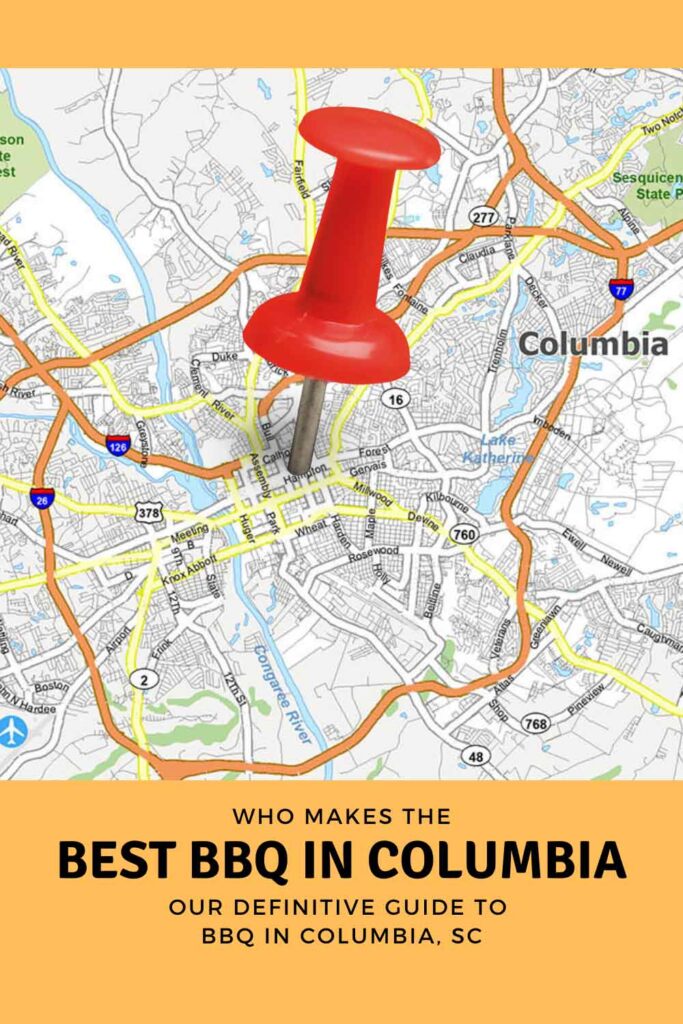
Columbia is the heart of South Carolina’s Midlands barbecue country, where mustard sauce, hash and rice, wood-cooked pork, whole hog, and the barbecue buffet are still part of the local landscape. But even within those traditions, the barbecue isn’t all the same.
You can taste that in the mustard sauce alone. Hite’s represents the sharper Lexington County style, where yellow mustard stays front and center. Maurice’s Piggie Park carries forward the Bessinger family recipe traced to “Big Joe” Bessinger, with sweetness, vinegar, and seasoning creating a more balanced sweet-tangy sauce. Around Columbia, the hash changes from restaurant to restaurant, too, and so do the cooking methods and the kinds of meals built around the barbecue.
The older traditions are only part of the story. Columbia also has newer pitmasters cooking Texas-influenced brisket alongside South Carolina pork and hash, chefs bringing barbecue into a broader interpretation of Southern food, and a smokehouse where smoked meats share the plate with dishes rooted in soul-food traditions. For this guide, we’re treating Columbia and neighboring West Columbia as one barbecue area; several restaurants essential to understanding the local scene sit just across the Congaree River.
Rather than rank them from first to last, we’ll help you decide which restaurant best fits the experience you want. Start with the quick picks below, then explore the individual entries for what makes each place worth visiting — and why you might choose somewhere else.
Columbia BBQ Quick Picks
Not sure where to start? Pick the experience that sounds most like what you’re looking for.
| If you want… | Start with… |
|---|---|
| Modern craft barbecue combining Carolina and Texas traditions | City Limits Barbeque |
| Wood-cooked whole hog with a sharp, mustard-forward Lexington County sauce | Hite’s Bar-B-Que |
| Smoky pork and a distinctive, darker beef-forward hash | True BBQ |
| The Bessinger family’s sweeter, more balanced mustard-sauce tradition | Maurice’s Piggie Park |
| Smoked meats with a strong soul-food influence | Big Boys Original Smokehouse |
| A downtown buffet rooted in the Dukes and Orangeburg barbecue tradition | The Palmetto Pig |
| A big, old-school barbecue buffet with decades of Columbia history | Little Pigs Barbecue |
| A chef-driven take on South Carolina barbecue and regional food | The War Mouth |
The Best BBQ in Columbia, SC
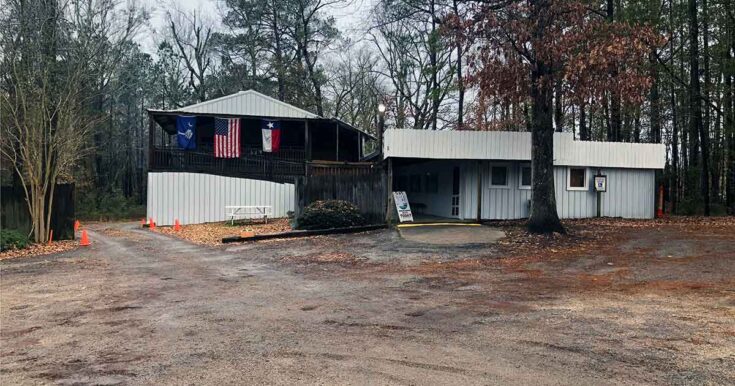
You’ll want to visit City Limits Barbeque because pitmaster Robbie Robinson brings Texas and South Carolina barbecue traditions together without making either one feel like an afterthought. City Limits cooks entirely with wood and serves meats market-style, with brisket, beef ribs, and house-made sausage sharing the menu with pulled and chopped pork, pork ribs, hash and rice, and scratch-made Southern sides.
Robinson started City Limits as a food truck in 2016 before opening the permanent West Columbia restaurant in 2023. His Texas influences are obvious in the brisket and beef, but some of the most interesting cooking looks closer to home: pork shoulders and ribs cooked directly over hardwood coals, along with South Carolina hash and other regional dishes. That combination has helped make City Limits one of the most nationally recognized barbecue restaurants in the state. Robinson was a James Beard Award finalist for Best Chef: Southeast in both 2024 and 2025, and Southern Living ranked City Limits No. 1 on its 2025 list of the Top 50 BBQ Joints in the South.
The appeal isn’t simply that you can get Texas and Carolina barbecue in the same place. It’s the way Robinson treats both traditions seriously while continuing to experiment around them, making City Limits a particularly good place to see where Columbia barbecue is heading.
However, you might not choose City Limits if what you want most is an older, more traditional Midlands barbecue experience. For wood-cooked whole hog, a sharply mustard-forward Lexington County sauce, or one of Columbia’s longstanding family barbecue traditions, Hite’s or Maurice’s may be a better fit.
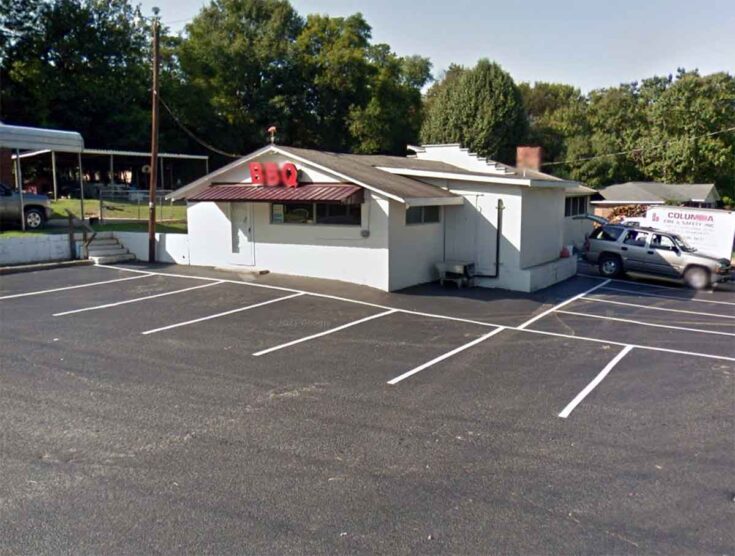
You’ll want to visit Hite’s Bar-B-Que because it preserves one of the clearest examples of old-school Midlands barbecue around Columbia. Hite’s cooks whole hogs over oak and hickory on open pits, then serves the pork with a thin, bright-yellow mustard sauce that keeps the sharp flavor of yellow mustard front and center.
The Hite family has been cooking barbecue in West Columbia since 1957, and the experience still feels closer to a traditional South Carolina barbecue takeout stand than a modern smokehouse. Whole hog is the centerpiece, but ribs and chicken also come off the wood-fired pits, and hash and rice remains part of the meal. One particularly distinctive offering is the “rib cut,” which includes the ribs, loin, skin, and surrounding meat from the cooked hog.
Hite’s is also a useful place to understand that South Carolina mustard sauce is not one uniform thing. Its Lexington County-style sauce is noticeably more mustard-forward than the sweeter, more balanced Bessinger family sauce you’ll find at Maurice’s Piggie Park.
However, you might not choose Hite’s if you want a broad menu, table service, or a contemporary barbecue experience. Hite’s appeal is almost the opposite: wood fire, whole hog, hash, a sharp mustard sauce, and a straightforward old-school operation that has changed relatively little over the decades.
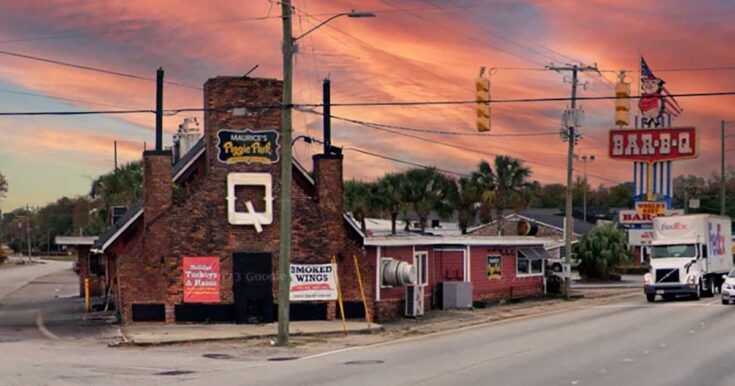
You’ll want to visit Maurice’s Piggie Park because the original West Columbia restaurant is one of the most important places for understanding South Carolina’s mustard-sauce barbecue tradition. Pork hams are still cooked over hickory wood coals at the original pits, then served with the Bessinger family’s Southern Gold sauce, a recipe traced to Joseph “Big Joe” Bessinger.
That sauce is part of what makes Maurice’s especially useful in a Columbia barbecue guide. Compared with the sharper, yellow-mustard-forward sauce at Hite’s, the Bessinger recipe is sweeter and more balanced, with vinegar and seasoning tempering the mustard. Hash and rice, pork, ribs, chicken, and the familiar mustard sauce all place the meal firmly within the Midlands tradition.
The history is significant but also complicated. Maurice Bessinger became nationally known not only for barbecue but for his segregationist politics, and discrimination at his restaurants led to the landmark U.S. Supreme Court case Newman v. Piggie Park Enterprises. Later generations removed the Confederate imagery and political materials that had become associated with the business, while continuing the family’s barbecue operation.
However, you might not choose Maurice’s if you want the sharper Lexington County mustard style, whole hog, or a newer craft-barbecue experience. Maurice’s belongs here because of the combination of wood-cooked pork, the Bessinger family sauce, and a Columbia barbecue lineage that has had an unusually large—and at times difficult—place in South Carolina history.
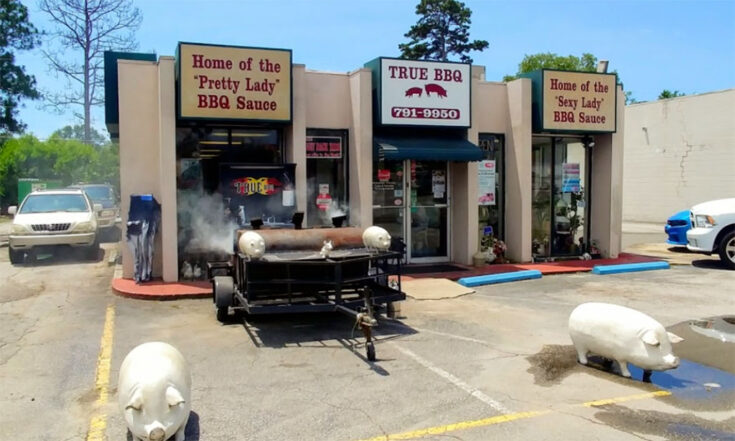
You’ll want to visit True BBQ because brothers Ernest and Milton Zanders offer a deeply smoky, neighborhood-style take on Midlands barbecue, with pork cooked over wood and one of the more distinctive versions of hash around Columbia. They opened True BBQ in West Columbia in 2010, and the restaurant has built much of its identity around barbecue, homemade sides, and what the brothers proudly call their signature hash and rice.
The chopped pork is cooked from bone-in Boston butts over a rotating mix of hardwoods such as oak, hickory, and pecan, then served with three house sauces ranging from mustard-based to vinegar-red and tomato-based. But the hash may be the most revealing order. Compared with many pork-heavy South Carolina hashes, True’s version is darker, thicker, sweeter, and noticeably more beef-forward, giving it a character all its own.
True also reflects a broader Columbia food tradition beyond the barbecue itself, with collard greens, macaroni and cheese, and other scratch-style sides sharing the menu with ribs, chicken, pork chops, and other smoked meats.
However, you might not choose True BBQ if you’re looking specifically for whole hog, a historic mustard-sauce lineage, or the polished craft-barbecue experience of City Limits. True’s appeal is more personal and neighborhood-driven: smoky pork, distinctive hash, hearty sides, and a restaurant with its own unmistakable personality.
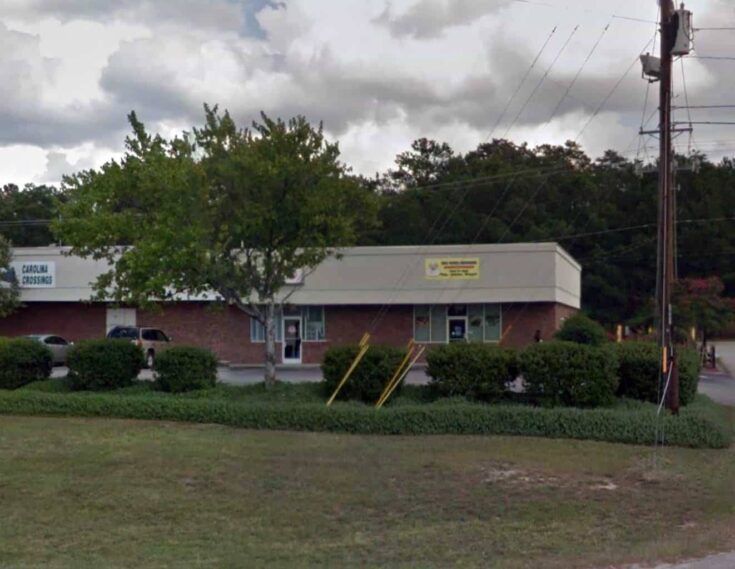
You’ll want to visit Big Boys Original Smokehouse because it brings a different side of Columbia barbecue into the guide: smoked meats paired with the kind of sides and plate combinations that give the meal a strong soul-food influence. The current menu centers on pulled pork, brisket, ribs, chicken, and hash and rice, but the experience is just as much about what comes alongside them—collard greens, macaroni and cheese, and other hearty sides.
That broader plate-style approach is what separates Big Boys from places such as Hite’s or Maurice’s. You can still order familiar South Carolina barbecue combinations like pulled pork with hash and rice, but smoked pig feet and other less typical smokehouse offerings broaden the picture of what barbecue can look like in Columbia. The restaurant’s own slogan—“We Put That Smoke on EVERYTHING!”—fits the way smoke runs through much of the menu rather than being reserved for one signature meat.
Big Boys has also long drawn praise for the combination of smoked meats and substantial sides rather than for allegiance to one narrowly defined regional barbecue style. Outside coverage has singled out the brisket, smoked chicken, collards, and other dishes as part of what makes the restaurant distinctive.
However, you might not choose Big Boys if you’re looking specifically for whole hog, an old family mustard-sauce lineage, or a traditional South Carolina barbecue buffet. Its strength is the broader smokehouse meal: several smoked meats, hash and rice, and a lineup of sides that gives the experience its own place in Columbia’s barbecue landscape.
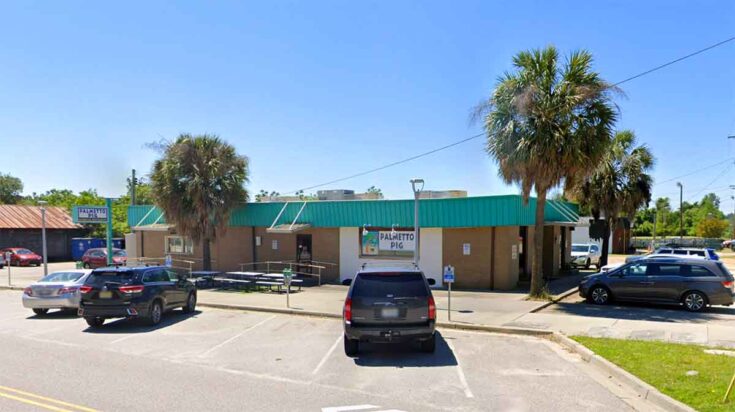
You’ll want to visit The Palmetto Pig because it brings an important branch of the Orangeburg/Dukes barbecue tradition into downtown Columbia. Gene Antley’s family history in barbecue traces back to Earl Dukes’ Orangeburg operation, and the recipes that eventually became part of Palmetto Pig grew out of that same family connection.
The experience is built around the buffet: barbecue pork, hash and rice, fried chicken, and a rotating lineup of traditional Southern sides. That makes Palmetto Pig particularly useful if you want more than a barbecue plate and would rather experience the older South Carolina tradition of building a meal around the buffet itself. Its location near the University of South Carolina also makes it one of the easiest old-school barbecue experiences to work into a visit to central Columbia.
What distinguishes Palmetto Pig from Little Pigs isn’t simply that both have buffets. Palmetto Pig carries a direct connection to the Dukes and Orangeburg barbecue lineage, giving the restaurant a particular place in the broader story of Midlands barbecue.
However, you might not choose The Palmetto Pig if your priority is wood-fired whole hog, craft brisket, or a restaurant where the cooking method itself is the main attraction. Come here for the buffet, hash and rice, fried chicken, and a Columbia expression of a South Carolina barbecue tradition with roots well beyond the city.
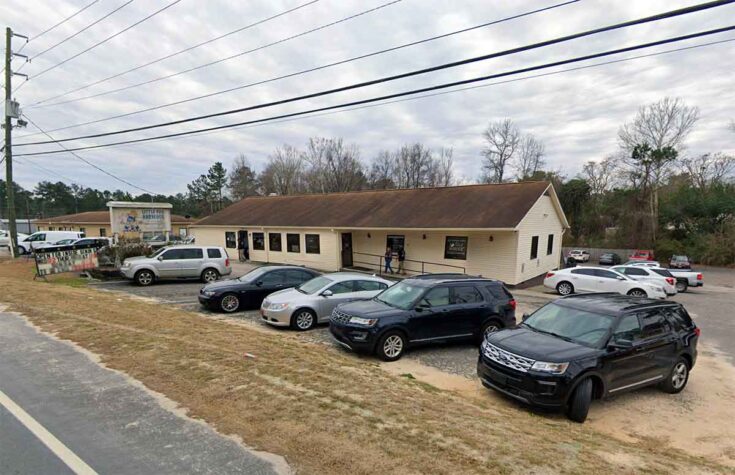
You’ll want to visit Little Pigs Barbecue because the buffet itself is the experience. What began as a small 36-seat counter-service restaurant in Columbia in 1962 eventually grew into the large Northeast Columbia buffet operation it is today, making Little Pigs one of the city’s longest-running barbecue institutions.
The buffet goes well beyond a basic pork-and-hash plate, with barbecue, ribs, pork chops, chicken, wings, fish, hash and rice, collards, beans, tomato pie, macaroni and cheese, and other Southern sides. Little Pigs also serves pork with all three of the sauce styles most commonly associated with South Carolina barbecue: mustard-based, vinegar-pepper, and tomato-based.
The restaurant has an unusual history of its own. It opened on Rosewood Drive as the 31st franchise of the Memphis-based Little Pigs of America. When that company went bankrupt a few years later, the Columbia restaurant survived independently, eventually moving to Alpine Road in 1978 and developing into the buffet restaurant generations of Columbia diners know today.
However, you might not choose Little Pigs if you’re looking for a narrowly focused pitmaster experience or want one particular Midlands barbecue tradition to define the meal. Little Pigs is about abundance and variety: a big old-school buffet where barbecue, hash, fried and smoked meats, Southern sides, and multiple sauce styles all share the table.
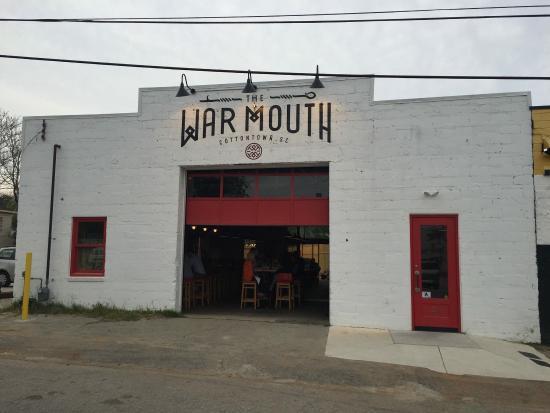
You’ll want to visit The War Mouth becauseit places barbecue and hash inside a broader exploration of Midlands and South Carolina food. Rather than functioning as a conventional barbecue joint, The War Mouth uses pulled pork, hash and rice, and other smoked or regional dishes as part of a larger menu built around the foods and flavors of the South.
The current menu includes a pulled-pork BBQ plate with hash and rice, coleslaw, pickles, and pork skins, along with a barbecue sandwich and pit beef. But barbecue is only part of the reason to come. Chicken bog, collards, pimento cheese, pork belly, seasonal produce, Southern desserts, cocktails, and other regional dishes make The War Mouth a good choice when you want to explore South Carolina food beyond a standard meat-and-sides barbecue plate.
That broader approach is what earns The War Mouth a place in this guide. It shows how barbecue and hash can remain part of Columbia’s food culture without the restaurant defining itself solely around the pit.
However, you might not choose The War Mouth if your main goal is a traditional barbecue destination built around wood-fired pork, a particular mustard-sauce lineage, or an old-school buffet. The War Mouth works best when you want barbecue as part of a full-service, chef-driven Midlands meal rather than barbecue being the entire point.
Looking for more options? Browse all Columbia-area barbecue restaurants in our complete directory.
Worth the Drive from Columbia
Some of the barbecue experiences that help explain the Midlands sit beyond Columbia and West Columbia. A few are easy detours from the city; others are established South Carolina barbecue destinations worth making a longer trip specifically to experience.
Big T’s Bar-B-Que — Gadsden
Big T’s Bar-B-Que in Gadsden is the place to go if you want to experience the original source of the Big T’s tradition rather than one of its Columbia-area locations. The Brown family has long cooked pork the old-school Midlands way, burning hardwood down to coals and shoveling them beneath pork shoulders on open pits. The restaurant is also known for its dark, savory hash and mustard-sauced pork.
Gadsden is close enough to Columbia to make a realistic side trip, especially if you’re interested in traditional cooking methods. Southern Living has even described the original restaurant as the “mothership” and specifically recommended the drive from Columbia to experience it at the source.
Roy’s Grille — Irmo
Roy’s Grille is worth the drive because Chef Chris Williams approaches barbecue as part of a much broader personal style of Southern cooking. Williams traces that cooking back to his upbringing in Olar, South Carolina, and Roy’s makes its sauces, rubs, and other components in-house. Barbecue remains a major part of the menu, but burgers, sandwiches, and dishes such as the Carolina Korean Cheesesteak make the experience different from a conventional barbecue joint.
Irmo is an easy enough excursion from Columbia that Roy’s does not require planning a day around the meal. It is exactly the kind of place this section is meant to capture: outside the core city list, but distinctive enough that the barbecue—and Williams’s broader cooking—can justify the detour. Southern Living recently included Roy’s among Southern roadside restaurants worth going out of the way for.
Doko Smoke Barbeque — Blythewood
Doko Smoke Barbeque in Blythewood brings a different background to the Columbia-area barbecue scene. Pitmaster Tony Crout came out of the competition circuit after years of cooking events, then carried that approach into a neighborhood restaurant built around smoked meats and family recipes.
Blythewood is close enough to make Doko Smoke a relatively easy detour, particularly if you are traveling north from Columbia on I-77. The reason to make the trip is not that it represents an old Midlands institution like Hite’s or Maurice’s; it offers a different branch of the barbecue story, with competition experience translated into a local restaurant.
Shealy’s Bar-B-Que — Batesburg-Leesville
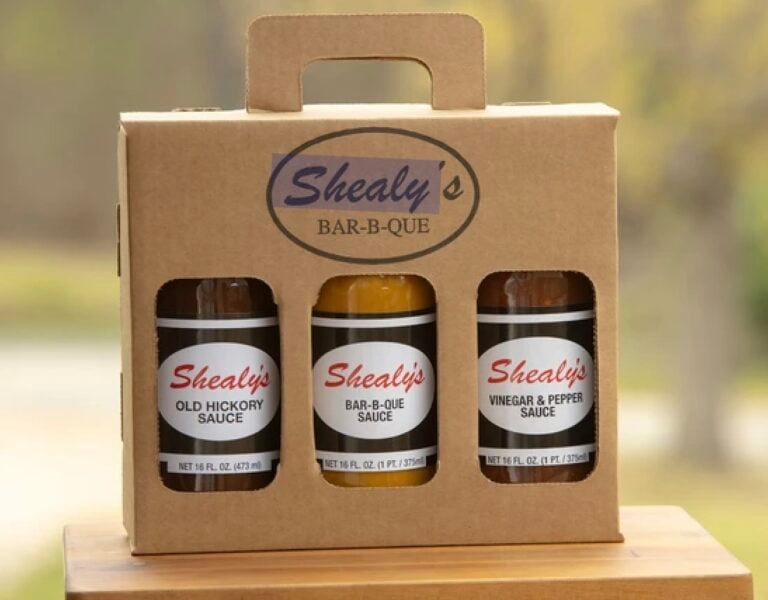
Shealy’s Bar-B-Que is the bigger commitment in this group, but it is also the clearest example of a restaurant worth treating as a destination in its own right. The Shealy family’s barbecue history predates the restaurant: Victor and Sara Shealy were cooking whole hogs and selling barbecue on weekends in the early 1950s before opening Shealy’s in Batesburg-Leesville in 1969. Today, the large buffet remains the centerpiece of the experience.
Think of this as a barbecue pilgrimage rather than a quick Columbia detour. The draw is not simply another plate of pork and hash; it is the full Shealy’s experience—barbecue, fried chicken, vegetables, sides, and the kind of sprawling buffet tradition that has become part of the Midlands barbecue story itself.
Why Columbia Is a Crossroads of Midlands Barbecue
Columbia is an unusually good place to understand Midlands barbecue because several traditions that are sometimes flattened into the label “South Carolina barbecue” remain distinct here. Mustard sauce can mean the sharp, yellow-mustard-forward style served at Hite’s or the sweeter, more balanced Bessinger family sauce at Maurice’s. Hash changes from restaurant to restaurant. Whole hog, pork shoulders, wood coals, buffets, and different family restaurant traditions all remain part of the landscape.
The buffet tells its own story. Palmetto Pig connects Columbia to the Dukes barbecue tradition that developed around Orangeburg, while Little Pigs grew from a very different beginning into a Columbia institution of its own. Restaurants such as Hite’s, Maurice’s, and True BBQ preserve still other pieces of the Midlands tradition.
At the same time, Columbia barbecue hasn’t stopped evolving. City Limits combines Texas techniques with deeply South Carolina cooking, Big Boys broadens the picture through a smokehouse menu with strong soul-food influences, and The War Mouth places barbecue and hash within a broader chef-driven exploration of Midlands and South Carolina food. Taken together, the restaurants around Columbia show that Midlands barbecue is not one sauce, one cooking method, or one kind of restaurant.
About the author
James Roller has documented South Carolina barbecue for Destination BBQ since 2012 and authored the SC BBQ cookbook Going Whole Hog. These guides draw on years of visiting and documenting barbecue restaurants across the state, along with current restaurant information, historical research, and published sources.
Corrections and editorial standards
- Restaurant details change. Spotted something wrong or outdated? Send a correction here: Corrections & Updates
- How we handle sources, fact-checking, and updates: Editorial Standards
- Media or general notes: Email the publisher